



Concentrate, Hydrolysate, Isolate, Casein…chances are you have likely come across these words printed on most protein shakes when browsing the shelves. These words commonly follow the word ‘Whey’, which is a constituent protein made from the curd extracted when milk, cheese and other dairy products are made. Whey has a massive protein content per 100g and is relatively low in fat and carbohydrates. It is also highly bioavailable, meaning the human body responds extremely well to absorption. It is no surprise therefore that whey is so popular; it’s a convenient source of protein, relatively easy to digest and boosts our overall protein content, leading to better muscle protein synthesis and recovery.
TIME TO LEARN THE WHEY –
Puns aside, there are several very popular types of protein, and they are categorised by how they are produced, each with their own respective pros and cons. Here is a breakdown of the most common types of protein that you will see on your protein label and what they mean;
-
Whey Concentrate – The most mass-produced protein powder on the market, filtered to contain between 20-30g carbohydrates/fats and around 70-80g protein per 100g.
- Whey Isolate – A superior form of protein powder, containing up to 5g of carbohydrates/fats and by extension 95-100% protein content per 100g.
 As far as Whey protein is concerned, these two are the most common types of powders found on the market and as you can see, Isolate would clearly be the best option to take every single time, right? Not exactly. Whilst Isolate is the clear winner when comparing the two labels, it does come with a few drawbacks to keep in mind, namely its taste and its price tag. Whey Isolate goes through a higher level of filtration and as a result, it is often more expensive than the likes of Concentrate. Additionally, due to the filtration process, the protein when mixed with water often tastes thin in comparison to Whey Concentrate. For some, this is a massive factor when considering which protein source to opt for. That beloved ‘full’ taste and texture cannot be achieved as easily with Isolate. Whey Concentrate on the other hand, is still cheaper per serving and remains a low carbohydrate high-protein option.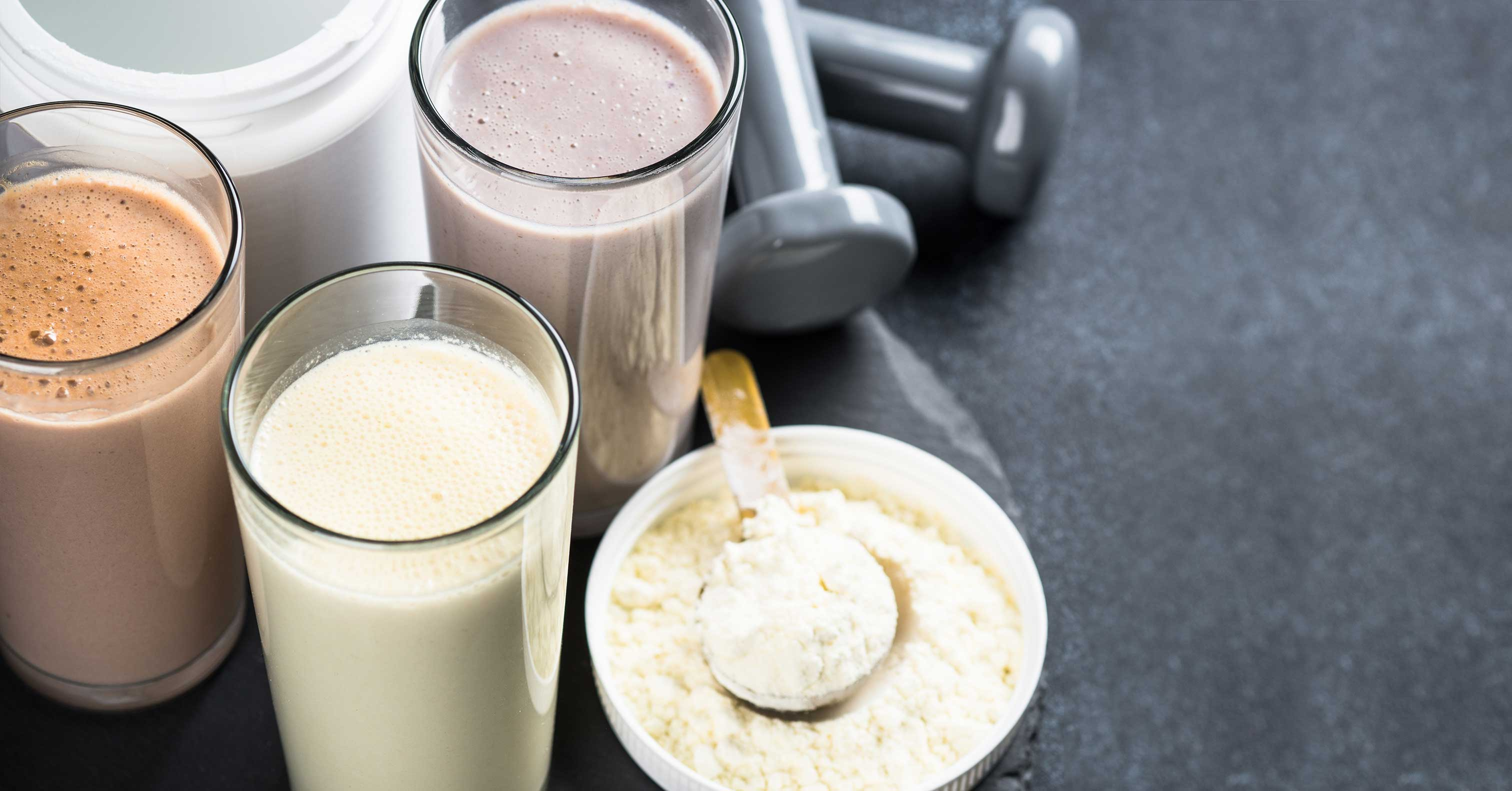
THERE ARE ALWAYS OTHER WHEYS –
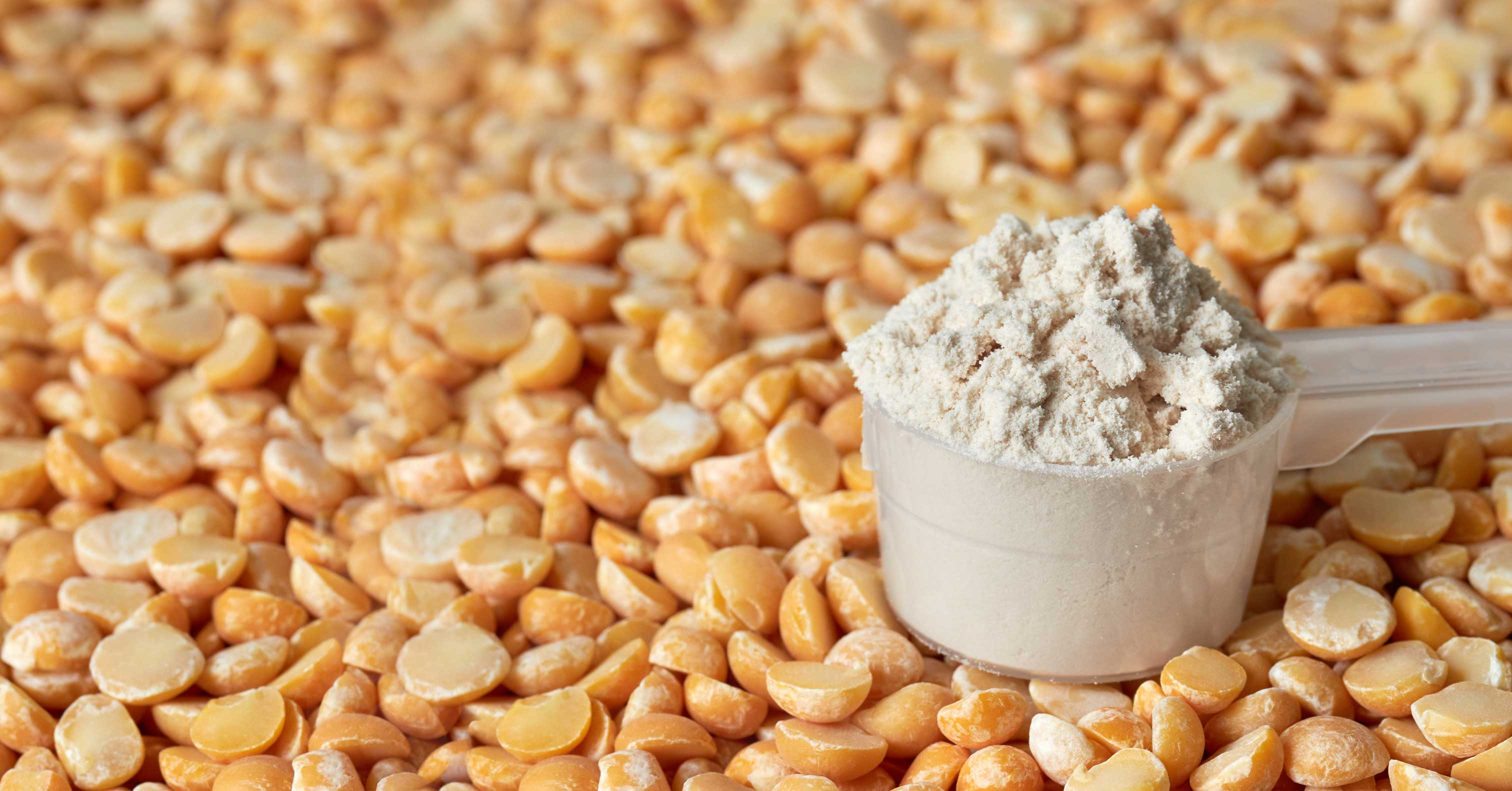
Whey protein, whilst the most readily available and popular protein source, is not necessarily suitable for everyone. Some prefer a leaner protein source, whilst others have an intolerance to dairy or whey itself. The alternative powdered-based proteins are vegan and beef protein. Vegan protein powders are primarily sourced from finely pressed grains and vegetables, extracting their protein content. Common examples of such protein sources are rice and pea protein, which very often offer a high source of protein per serving but can be quite costly and naturally have an earthy texture and taste to accompany. Due to the nature of vegan protein, their leucine content is lower, so it is recommended to anyone who is taking vegan protein to consider supplementing leucine in order to obtain a full amino acid profile.
Another type of protein which has gained popularity within recent years is beef-based protein which is often manufactured in Isolate form and contains high levels of protein, low levels of carbohydrates and fat. It is extracted from the meat and bones of the cow, rendering a somewhat thin ‘juice’ like texture when compared with whey protein.
THINGS TO TAKE AWHEY -
Whilst not all protein is created equal, it will largely come down to personal preference and experience when deciding which type is optimal for you and your specific needs. In general, if a protein shake has a high protein count, low sugar (unless it’s a mass gainer), digests well and tastes right for you then you are good to go