



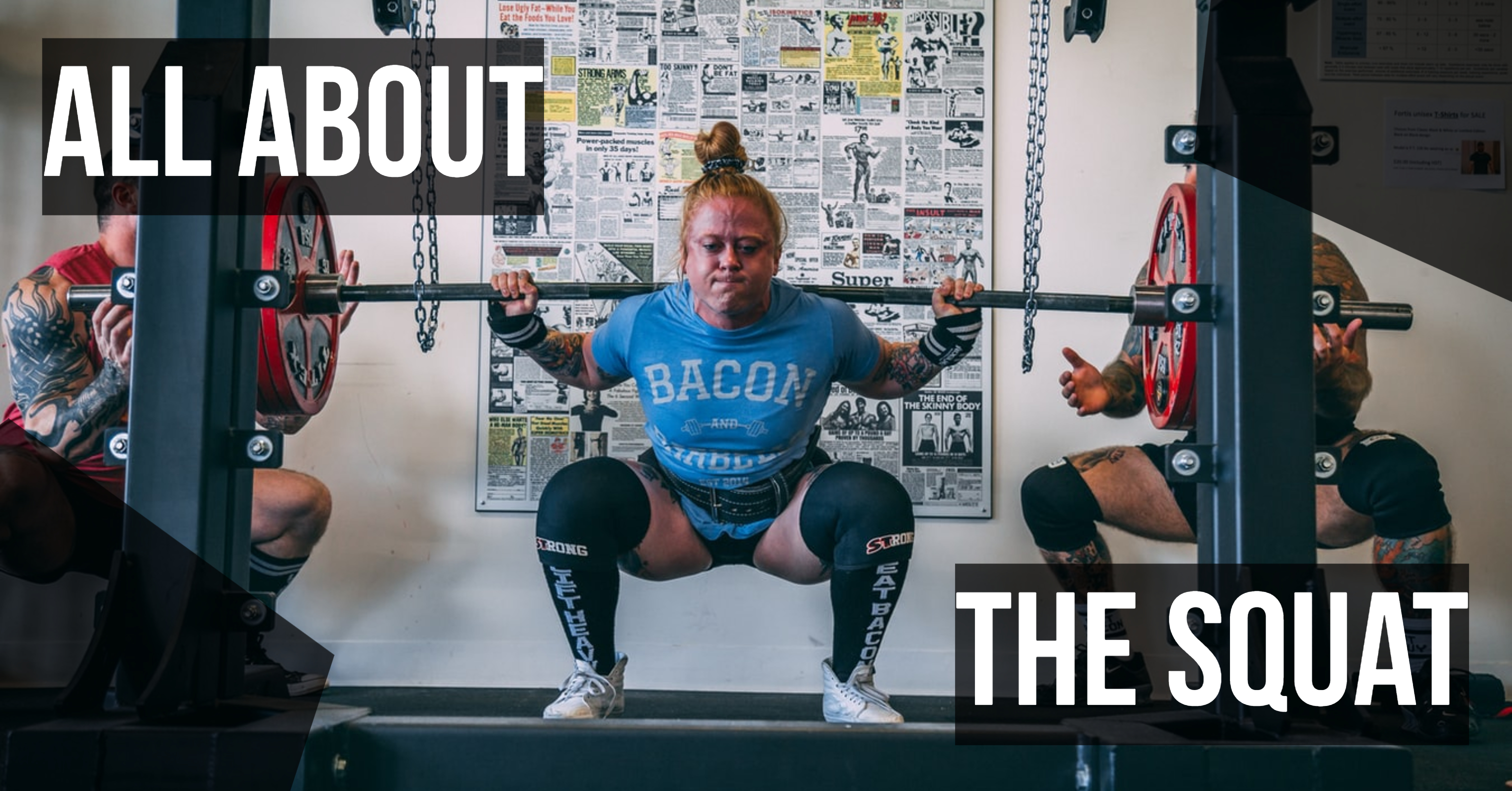
 The back squat is without a doubt the king of the lower body exercises. If you ask someone in the gym how to grow your legs and they don’t respond with ‘squat’ in their sentence, move on and find someone that does.
Squatting is hard. It requires a huge amount of physical power but is also mentally challenging. For this reason, I don’t think I am wrong is saying it is one of the most avoided exercises in the gym. You won't often find people telling you they are missing it for those reasons though, more that they have bad knees or lower back pain. This may be true, but I remain sceptical.
Often the hardest exercises in the gym give you the most back. You will struggle to find someone who can squat 4 plates a side that has small legs, or someone who can bench 3 plates a side with a small chest. As I mentioned, the squat is the king of lower body exercises and will nearly always make you stronger in other lower body movements, especially isolation ones.
Everyone’s back squat is going to look different due to our levers and mechanics being unique. That said, there are two main ways you are going to set up for a back squat that are universally accepted. The low bar squat and the high bar squat.
 The low bar squat
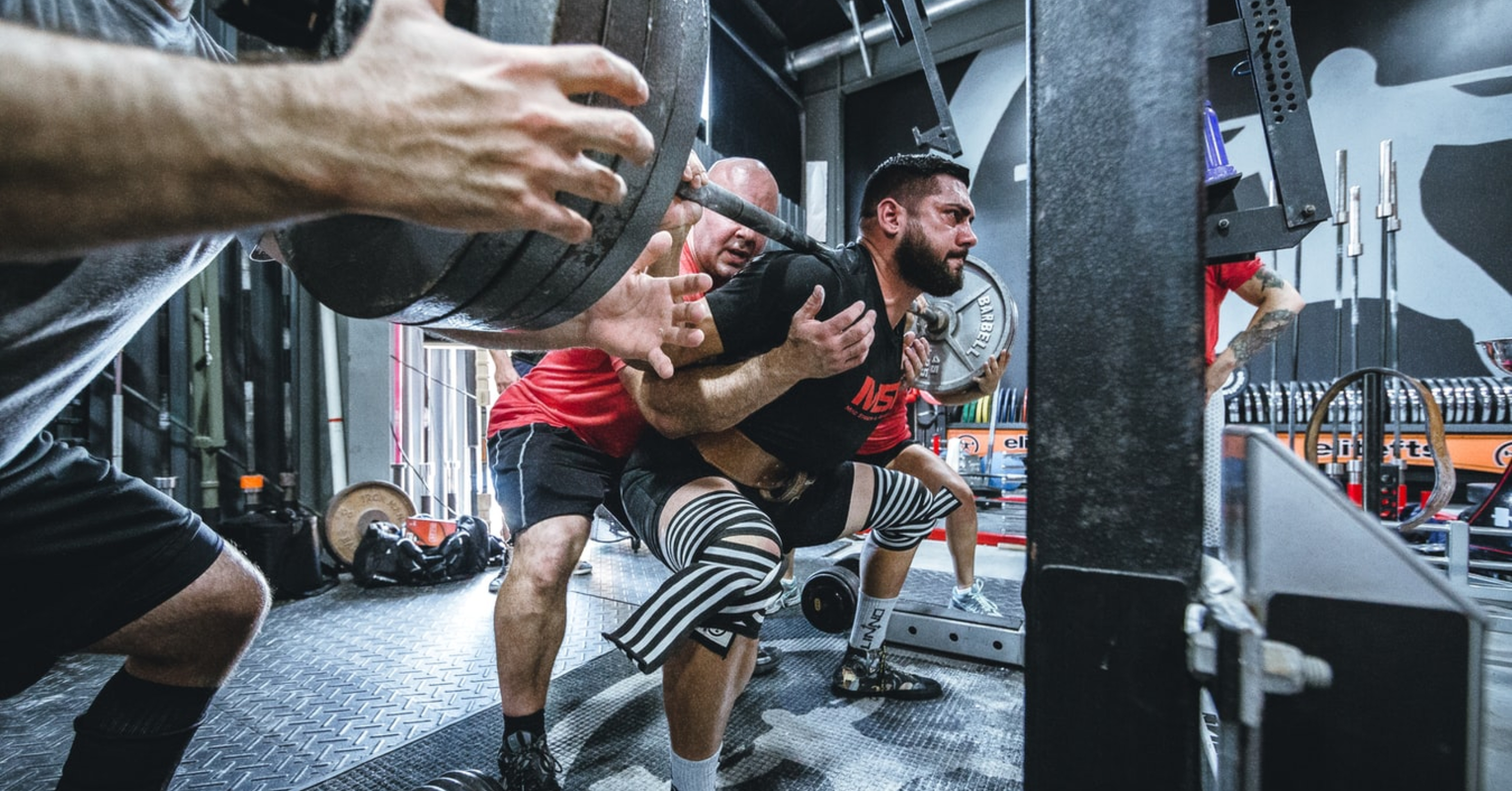
The low bar squat is performed with the bar placed lower down your back, usually around the mid to lower trapezius. For this reason, it allows a much better range of motion, leading to as larger amount of stress on the muscles and therefore is better equipped than the high bar for increasing strength. You will nearly always see powerlifters using low bar squats for this reason. The low bar squat puts a huge emphasis on the hips and the glutes and hamstrings are engaged more than a high bar squat, where a lot of the work is placed on the quads. This isn’t to say that the low bar squat doesn’t stress the quads though, it certainly does. This variation allows you to use more weight than the high bar and also has a larger range of motion, meaning more potential for growth.
The high bar squat
The high bar squat is performed with the bar placed on the top of the traps, with the trainer leaning slightly forward, but more upright than in a low bar squat. This variation of the squat is the more common of the two, probably due to the positioning of the bar feeling more comfortable and the bar path being more natural when executing the lift. More emphasis is placed on the quads and the glutes due to the acute knee angle created. The hamstrings struggle to fire at the bottom of the lift and cannot help extend the hips, meaning the quads and hips have to take control. For this reason, the high bar squat is great if you are looking to increase size and strength in your quads and glutes, but no so much your hamstrings.
 The benefits of squatting
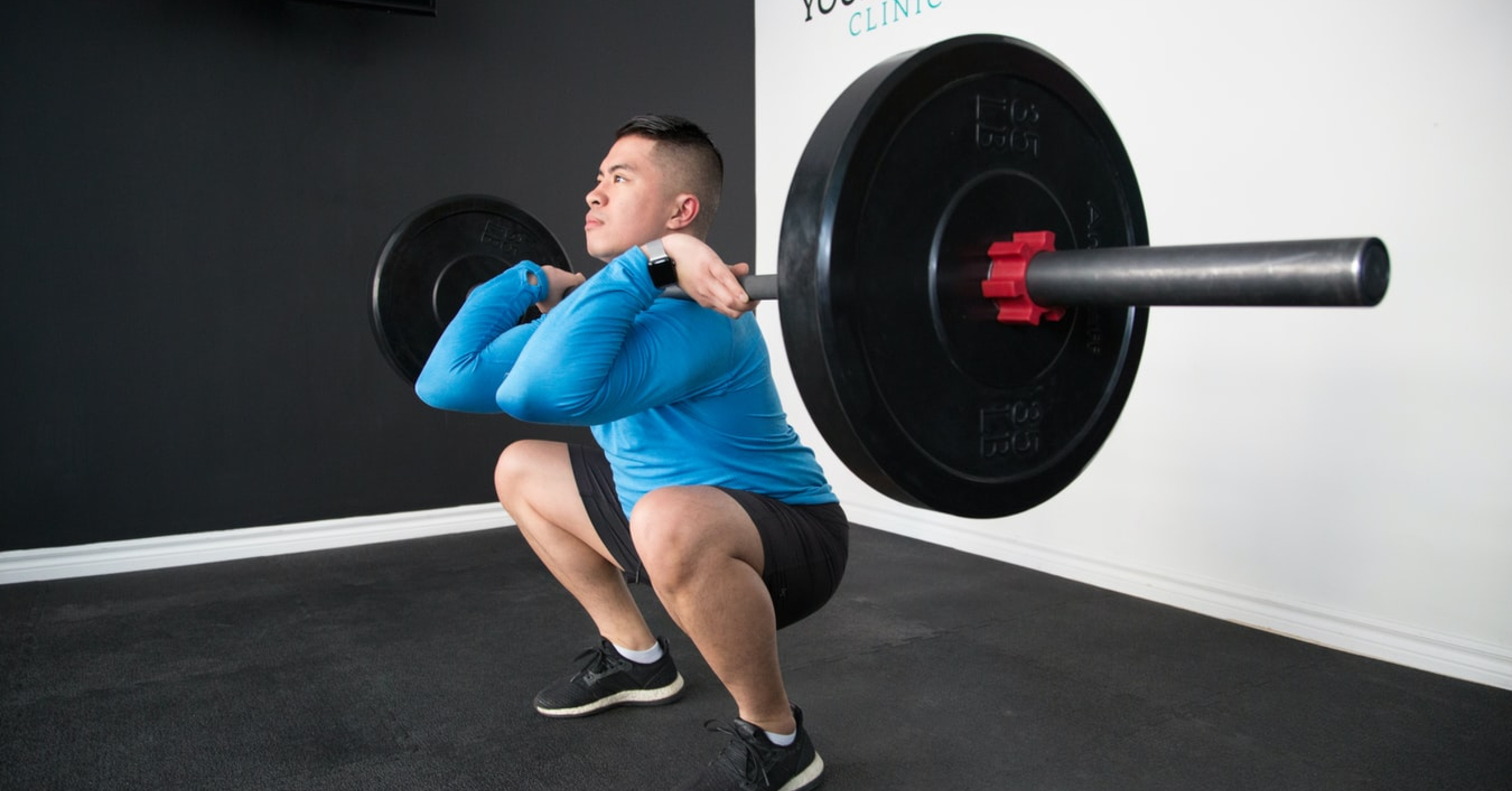
Whatever squat you perform, you are going to see a huge amount of benefit from. Here is a list of some of the best benefits you get from squatting, regardless of your set up.
-
No other exercises will burn as many calories, it’s a whole-body movement!
-
The squat increases your human growth hormone and testosterone levels massively
-
You will develop and strengthen all your leg muscles in one movement
-
It's great for core strength
-
It doesn’t just build your lower body. The squat activates nearly every muscle In your body, including the upper body muscles!
-
It can increase your sprinting time and vertical jump
-
It can improve your posture. Keeping your torso in an upright position during the squat carries over to good posture during the day.
-
It has a massive carry over of strength onto other lower body exercises
So, there you have it. If you currently don’t squat or don’t squat enough, you now know the difference between the two back squat variations and the benefits squats can give you.
Get squatting.