



 We all know that breakfast is an important if not the most important meal of the day and fitting it into a busy lifestyle can be really difficult. Many of us do not always have the time to sit down for breakfast in the morning, especially when juggling work, looking after children and leading an active lifestyle. This has ultimately led to the rise of breakfast bars and other similar products which allow us to have breakfast on the go. But what about protein bars? Can we eat these for breakfast and do they have any benefits as a breakfast item?
Firstly, it is important to stress that protein bars should be an occasional breakfast item. Protein bars will still never be as nutritionally beneficial as breakfast items such as eggs and lean meats, therefore, protein bars should never replace these more traditional breakfast items permanently. However, protein bars can be a viable option for those busy mornings.
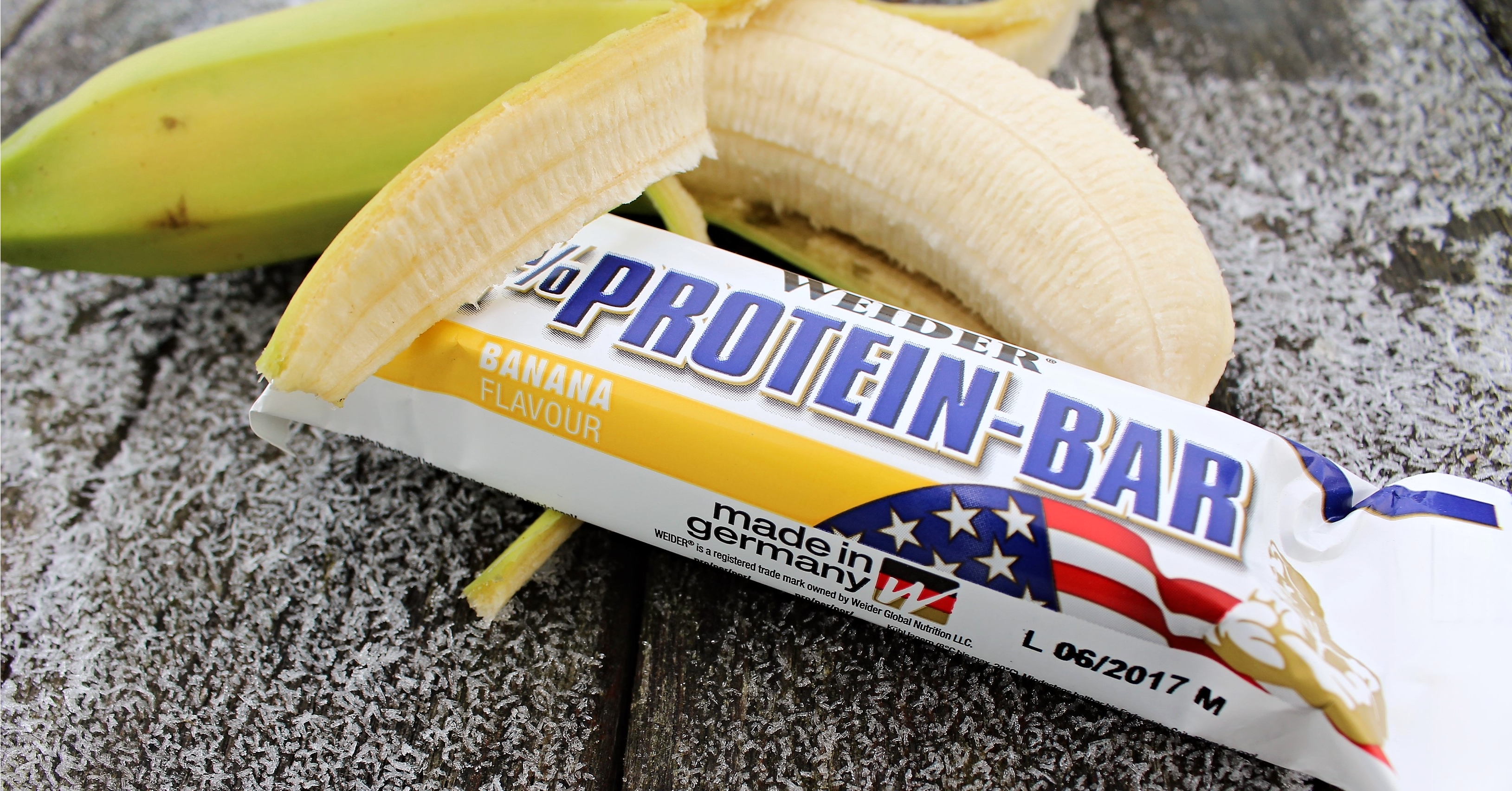 When picking your protein bar, it is important to consider what nutrients it contains. Many protein bars contain lots of sugar and little nutritional value, therefore analysing the protein and sugar levels is key. Studies have shown that high protein meals can keep hunger satisfied for longer compared to carbohydrate and fat rich meals with the same calorific quantity. Therefore, consuming a bar which contains at least 20g of protein will be most effective at satisfying hunger and preventing snacking throughout the morning. This is great for those who are trying to reduce or control their calorie intake.
As well as choosing a bar with at least 20g of protein, you can get even more benefit by choosing a bar which also contains fibre. Studies have also found that foods high in fibre can also help keep you feeling fuller for longer. Therefore, eating a high protein bar with a few grams of fibre will be most satiating. Bars which contain whole grain ingredients such as oats or whole grain granola will ensure higher levels of fibre.
Nutritionists have also found that some protein sources are better than others for satisfying hunger. Whey and pea proteins have been proven to be more satiating than caesin. In addition to this, they also contain all of the essential amino acids which are required to help the body repair muscle tissue. Protein bars containing hydrolysed protein should be avoided as these will not contain all essential amino acids and are a poorer quality source of protein.
If you want to be completely sure about what is in your protein breakfast bar, you could always prepare your own bars at the weekend as part of your weekly meal prep. Combining oats, whole wheat flour, maple syrup, peanut butter and dried fruits can help to ensure high protein, high fibre and low sugar content. You could also add a whey or pea based protein powder to boost high quality protein levels even further.
 So, if you are having a hectic Monday morning and go for a protein bar, remember that it should contain high levels of protein and fibre from a whey or pea protein source. Consider bars with low sugar contents to ensure you are keeping hunger at bay for longer. Try Powerbar’s Clean Whey Bar (https://www.powerbody.co.uk/powerbar/clean-whey-bar.html) which contains 20g of protein and 11g of fibre to keep hunger at bay. Or alternatively, you could try YUP Brands’ B-UP Bars (https://www.powerbody.co.uk/yup-brands/b-up-bars.html) which contain an impressive 20g of protein and 20g of fibre. Finally, if you do eat a protein bar for breakfast, add a banana or other piece of fruit to boost your breakfast’s nutritional value.
Toby Hone
BSc (hons) Sport and Exercise Science