



 If you're a gym-goer, you've likely heard the lads by the weight machines discussing the protein shakes they drink after a workout and what sort of shake they lean toward. Protein powders (made into a shake or consumed however you like) are getting more and more abundant as a nutritional supplement.
You can purchase protein powders in most nutrition stores and anywhere on the Internet. You can even find pre-blended, prepared to-drink protein shakes in numerous stores. Be that as it may, are protein powders only for meat-heads, or can the normal gym-goer gain from them too?
Protein powders come in different structures. The three most basic ones are whey, soy, and casein protein. Whey is the most ordinarily utilized, in light of the fact that it's a water-soluble milk protein, It's also a complete protein, so it has many advantages. (Complete proteins contain each of the nine amino acids important for dietary needs.) People who are vegetarians and vegans may lean toward soy protein, in spite of the fact that it tends to have a far less-desirable flavour, and it doesn't mix well into water.
Protein powders additionally tend to be higher in cost. For the casual athlete who doesn't have a particular need at a specific time of their preparation, the cost isn't always too big a deal. So in the case that you will use them, you can get a similar advantage out of the more affordable, all the more financially accessible proteins.
In certain conditions, protein powders can be helpful. They're a simple and helpful source of complete, fantastic protein. In any case, most individuals, even competitors, can likewise get all that they offer by eating protein rich foods such as: meat, fish, chicken, and dairy items.
 So when may you need to use them? There are a couple of reasons why a conventional gym-goer may need more protein in his or her diet...
- When you're developing. An adolescent needs more protein to fuel their exercise since their body is developing and uses more protein when all is said in done.
- When you're beginning a program. On the off chance that working out is new to you, and you're attempting to build muscle, you'll require more protein than you typically would.
- When you're amping up your exercises. In the event that you ordinarily work out for 30 minutes a couple of times each week, however now you've chosen to prepare for a half-marathon, your body will require more protein.
- When you're recouping from damage. Athletes with sports injuries will regularly need more protein to enable them to recuperate.
- If you're going vegetarian. Individuals who seek a vegetarian or vegan way of life remove various regular protein sources from their eating routine, including meat, chicken, and fish, and to vegans; dairy and eggs also.
Those are legitimate purposes behind attempting to get more protein into your eating regime, and protein powders are one approach to do that.
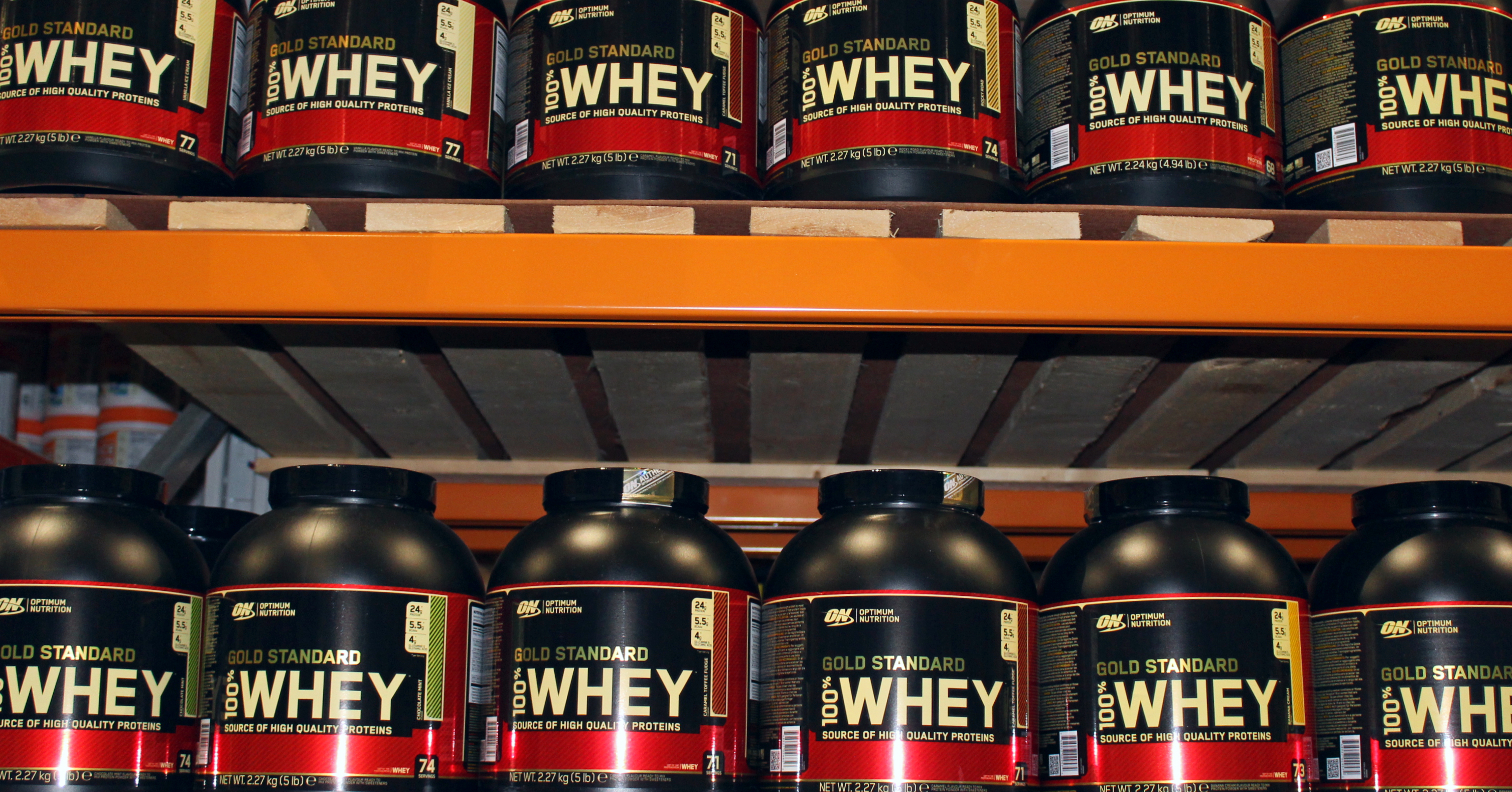 In any case, there's a major admonition. It doesn't take that much protein to accomplish those objectives. Most people as of now get around 15% of their everyday calories in protein. To build a pound of muscle, the body needs in the vicinity of 10 and 14 extra grams of protein every day.
That is not very much. A portion of these powders have 80 grams of protein for each serving. You needn't bother with that amount. All your body will do is separate it for energy. Furthermore, an excessive amount of protein can be challenging for your kidneys and your liver.
On the off chance that you figure your protein intake and confirm that you're not getting enough for your athletic needs how might you best utilise protein powders to enable you to enhance your execution?
A few indications of low protein consumption are as follows: you're strangely exhausted, feel powerless while lifting weights or doing different strenuous movement, or are recouping from injuries at a slower rate.
Initially, observe the standard knowledge, which says to take protein powders quickly after an exercise. Prior, during and after exercise, carbs are what your body needs. They're what your body utilises for fuel, and what your muscles keep running on. Truly, protein is additionally imperative for recuperation after exercise, however research demonstrates that by then, the body needs fuel with a 4-1 or 5-1 proportion of carbs to protein. Since most protein powders have no less than 20 grams of protein for every scoop, you'd require around 80 grams of carbs to run with that scoop to get the correct amount of nutrients!
For the best recovery shake after exercise, a great mix of a great protein powder along with some carbohydrates such as perhaps Oats or a Carbohydrate powder would be best.
So when would it be a good idea for you to use protein powders? If you've decided you require them to get more protein in your eating regime, Throughout the day to boost your protein intake, however it is not 100% necessary to take protein immediately surrounding a workout unless you are an aspiring bodybuilder.
Toby Hone
BSc (hons) Sport and Exercise Science