



 Well, are you?
When it comes to reps, there are three things to consider.
-
How many you do per set
-
How many sets you do per exercise
-
How you perform them
If you enter the gym and don’t think about any of these, you’re about to change your training game. All three can have a brilliant effect on your training outcome and its important to start thinking about each of the points for your programming. Let’s run through them.
How many reps and sets per set?
This really depends on your goal, which can be split into three categories. Endurance, size and strength.
If you are training for endurance, then you want to be performing anywhere from 12-20+ reps. The weight that you will be able to use for this will obviously be a lot lighter than any of the other goals, so don’t use a weight you are used to handling in a lower rep range. This rep range is handy for if you are an endurance athlete such as a cyclist or a runner. To make the most of this rep range, aim for 3-6 sets per exercise.
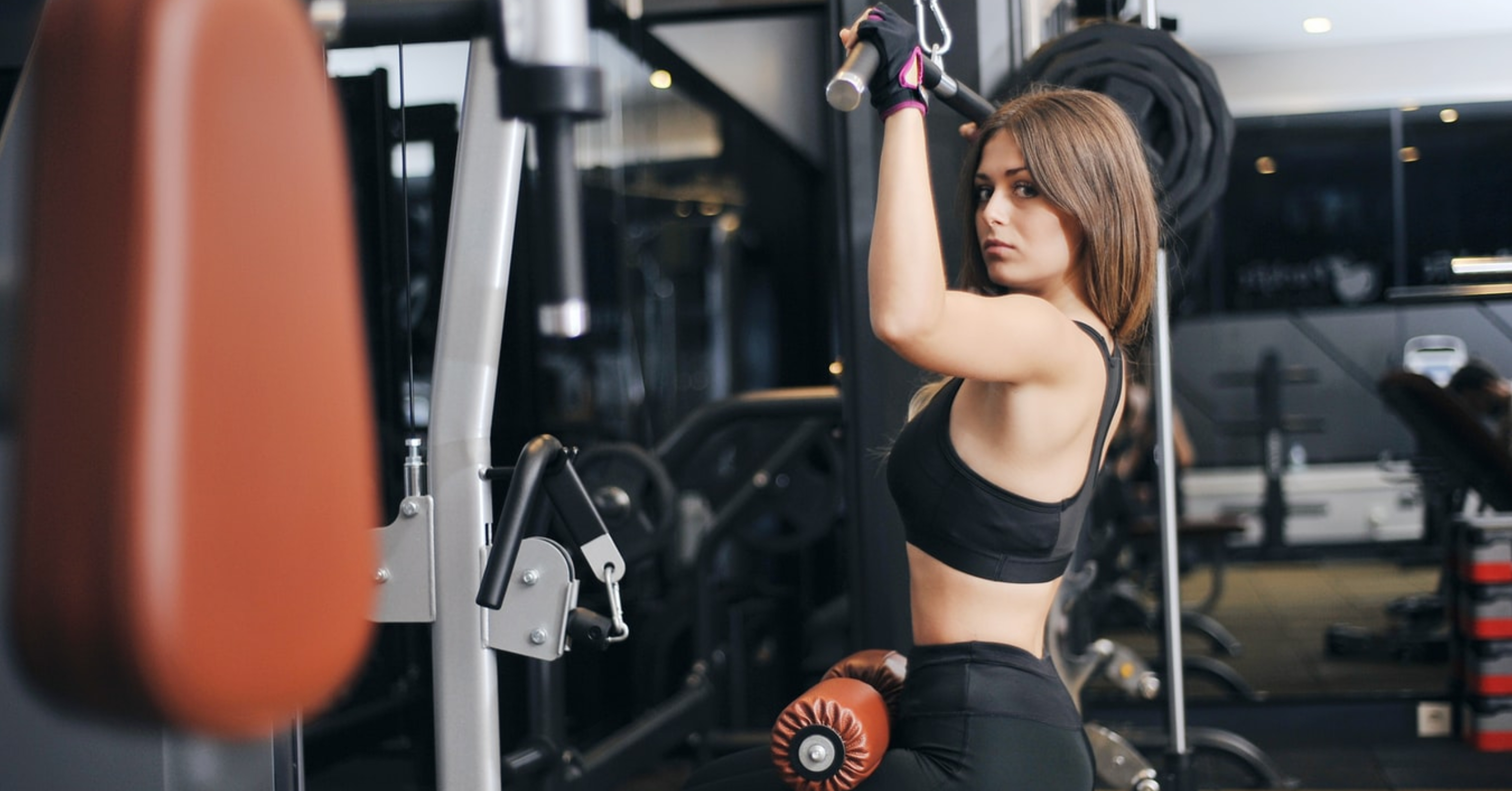 If your goal is muscle size, then you want to be using a rep range of 6-12 reps. You also want to be using a heavier weight than you would use for endurance, but lighter than you would for strength training. When training for size, you are increasing the amount of sarcoplasm in your muscles. As much as 30% of your muscle size is due to sarcoplasm, which is why this rep range works so well. This is the rep range bodybuilders use the most. It can have some carry over to sports, but you don’t want to compromise your speed and agility by becoming to heavy. This rep range will also build some strength but is mainly used for muscle size. The common amount of sets to use per exercise for muscle building is 3-5. However, some training programmes have been known to use up to 10 sets per exercise, like German Volume training.
For strength training, aim for reps between 1-5. This is the heaviest weight you will handle out of all the ranges, so your technique needs to be on point. This rep range also puts a lot of stress on your central nervous system, which can quickly tire if you are hitting multiple strength sessions per week, so keep an eye on your frequency. This rep range is more popular with the compound lifts such as squats, deadlifts and presses. You won’t see it utilized on machines much. In terms of how many sets you should be doing, it's not as black and white as the other ranges. Between 10-20 reps on one exercise is a good starting place. This could be anything as low as 5 sets of 2, or something as high as 4 sets of 5.
How should you perform your reps?
Again, breaking this down into the 3 categories is probably easiest.
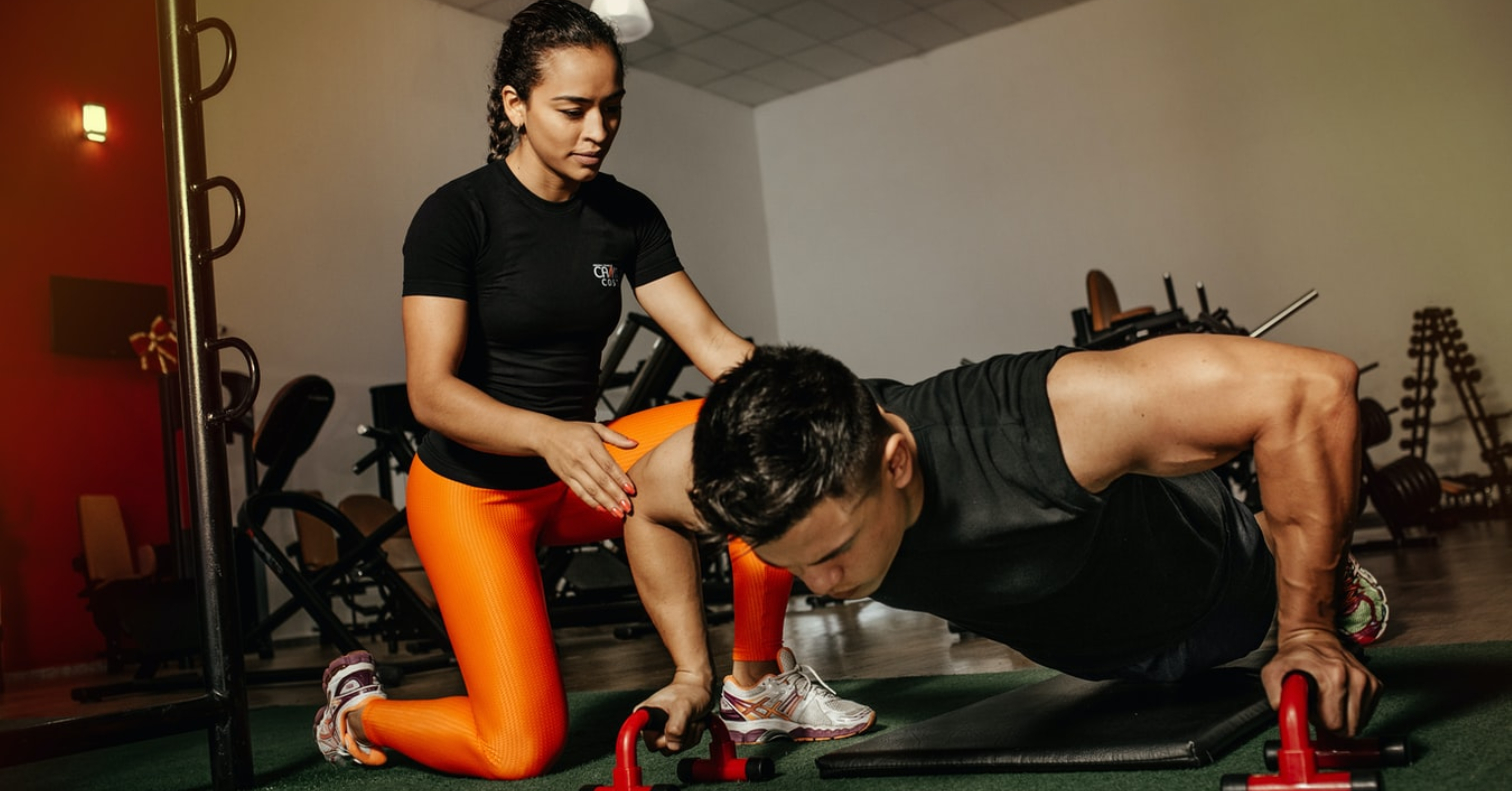 Endurance – tempo is important here, but not so much as if you were lifting to gain size. You want to aim for around a 2 second eccentric and 1 second concentric. You can probably even get away with a 1:1 tempo.
Muscle size – tempo is incredibly important here. Your muscles are going to grow from more time under tension with heavier loads. Aim for between 3-5 seconds on the eccentric and 1-2 seconds on the concentric per rep.
Strength – For strength training, think speed. As the weight is heavy, you still want to be lowering the weight in a controlled manor. On most exercises, this can be done in 1 second. On the concentric, you want to lift it as fast as possible. You essentially want to go from point A to point B as fast as you can in a safe way.