



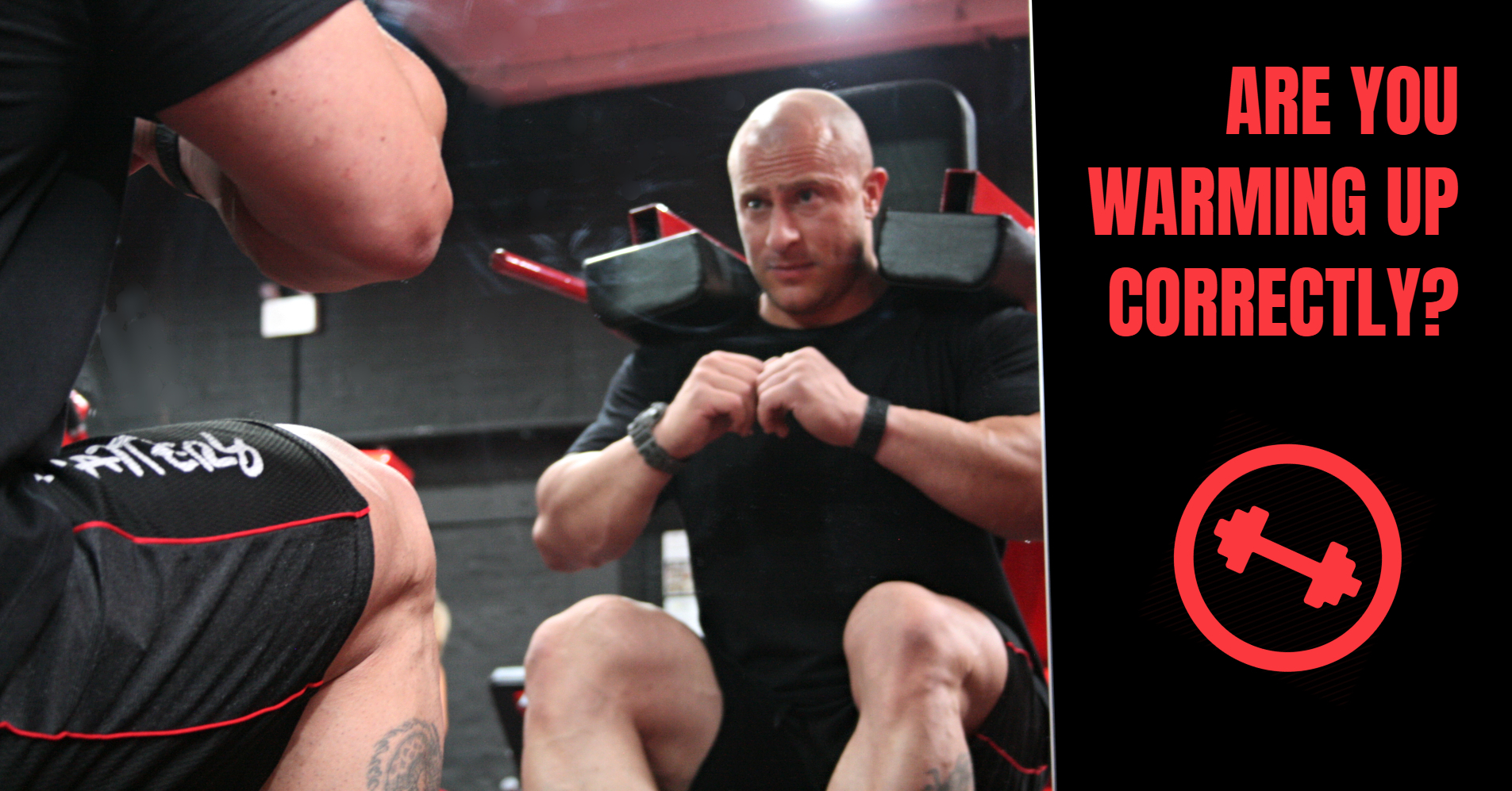
 There is no doubt that warming up is boring. It's not the process that’s actually going to make you stronger, lose more fat or build any more muscle. But it can certainly contribute towards it.
You probably know if you are warming up correctly or not but just to clarify, coming in and doing 5 minutes on the treadmill and a few stretches isn’t really going to kick it. Sure, it is getting some blood pumping around the body, but it isn’t really benefiting you in anyway.
The goal of a good warm up is to activate your muscles, prime your nervous system and get the blood flowing around your body. Some of the benefits include;
-
Getting you in the right frame of mind. Five to ten minutes of envisioning what your workout is and how its going to go can greatly improve your performance during the session.
-
An increase in blood flow and metabolism
-
A reduction in muscle tension
-
An increase in body temperature
If you want to be warming up correctly, there are actually three stages you want to follow. These are the general warm up, the specific warm up and CNS priming. I’ll run through each stage below and what needs to be involved to make sure you are priming yourself correctly for your workout.
 The general warm up
The aim here is to simply warm up your body and get some blood flowing. It's most likely the warmup that most of you are doing now. A good example is 5 minutes walking on the treadmill, cycling on the bike or rowing. These are good for getting the blood pumping around the body, but you can do one better. You really want to be warming up the muscles you are going to be using throughout the workout, in which case I would recommend some kind of dynamic warm up. This basically just means moving whilst you are stretching. Some examples include movements like walking lunges, knees to chest and push ups.
The specific warm up
Here you want to be warming up the muscles that you are going to be working in your training session. It's important that you don’t overdo it here as you want to save your energy for the actual workout. I’ve given some examples below as to how you might specifically warm up depending on the session you have planned.
Legs – bodyweight squats, squat jumps, walking lunges
Back – light deadlifts, assisted pull ups
Shoulders – rotator cuff exercises, light side and rear fly’s
Arms – close grip pushups, assisted chins
Chest – Push up variations
Do around 2-3 sets, making sure you can feel the exercises working but no so much that you are completely gassed.
You can also do some mobility drills that work on muscles you may feel are a bit tighter than others and need a little more attention, so you go into your workout firing on all cylinders.
 Priming your CNS
What you are doing when you are priming your CNS, is making sure that you are going to get 100% back from your lifts, especially your compounds. When your CNS is primed, your lifts are going to be faster, feel more fluid and most importantly, safer.
The best way to prime your CNS is by using explosive, plyometric movements that mimic the exercise you are going to be doing. There are some examples below.
Squats – static jumping lunges, jump squats and box jumps
Deadlifts – Kettlebell swings, box jumps
Military press – push presses (just the bar will do but really emphasise the push)
Bench press – plyo push ups
For these exercises, you want to be doing around 2-4 sets of low reps (nothing over 8) and making sure every rep is performed as fast as possible, with good form.
If you are guilty of not warming up properly as I once was, try incorporating this short warm up into your current sessions. You may be surprised at how much you get back.