



 I think it's human nature to sometimes think that more of something means it will be better. Of course, this isn’t true, it isn’t the case when it comes to working out (in most cases, anyway). There is of course different levels of intensity and volume needed that will spark growth or an increase of strength, and these may need to be increased every now and then to accommodate this. But the majority of people working out are doing way more than they have to to reach their goals.
Convincing people they need less volume and intensity is the easy part. Most people want to be in and out of the gym as fast as possible (I know, weird right?). The hard part is getting them to spend time on things that actually work and dragging them away from tiny isolation exercises they think are working their 14-inch arms. Those tricep kickbacks really aren’t going to add much muscle to your arms unfortunately.
One of the biggest reasons people stop adding size or strength is down to trying to get too smart with their programming, that it just becomes a big mess and there’s no consistency in their lifts. They spend more time in the gym, doing more movements and more reps and sets than is needed. They stop focusing on the simple and effective things, like progressive overload, brilliant form and compound lifts. Instead they focus all their attention on mobility, accessory work and bands. They do have their place, but they aren’t the meat and potatoes that are going to get you big and strong.
So, what is?
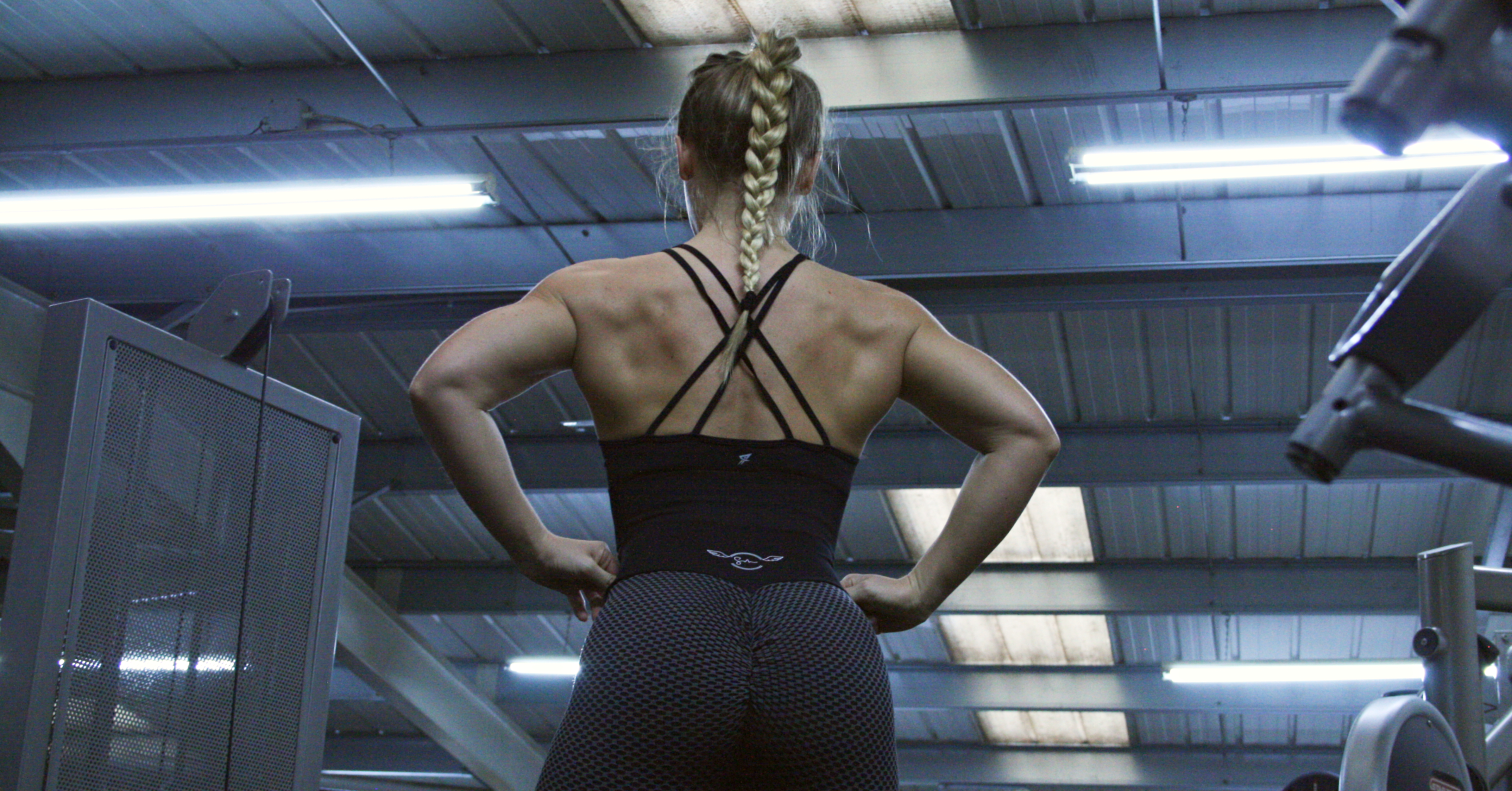 Deep down, I think you already know the answer to this.
Compounds of course. Those big movements are going to target tonnes of muscles and stimulate hypertrophy and strength a lot better than any isolation movement. Use compounds for the majority of your lifts along with smart volume, frequency and progressive overload and you have a perfect recipe for strength and mass.
The best way to set this up across the week is probably in the following manner;
-
Upper
-
Lower
-
Rest
-
Upper
-
Lower
-
Rest
-
Rest
For your upper days, use exercises such as barbell presses and barbell rows. Split the focus of your upper days between shoulders and chest and keep back constant. For example, start one upper day with a barbell chest exercises and the other day use military press to start.
For lower days, deadlifts, squats and lunges should take priority. Again, split your lower days by starting with squats on one and deadlifts on the other.
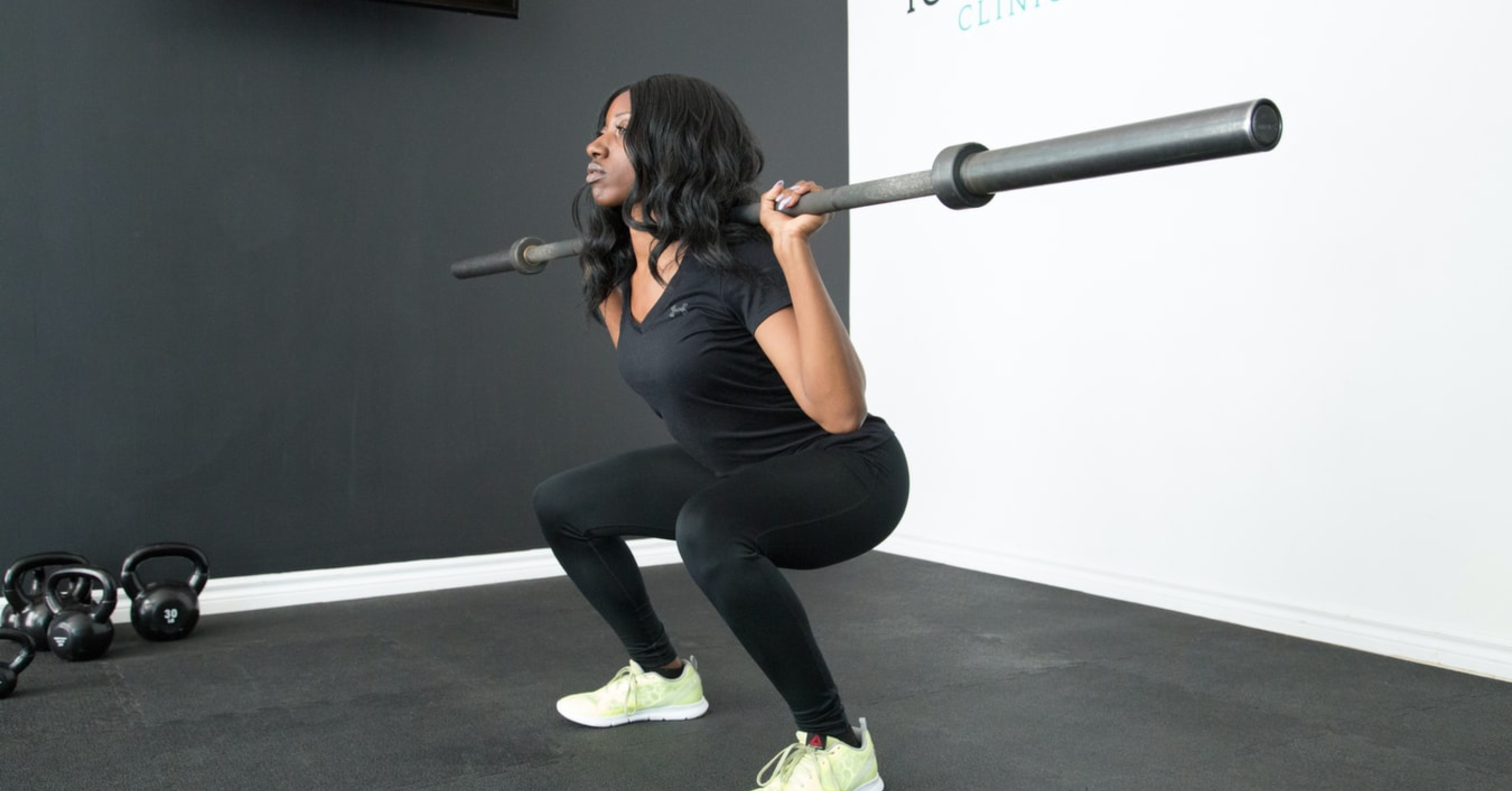
A sample upper body day could like the below.
-
Flat barbell bench press
-
Military press
-
Incline bench press
-
Barbell row
-
Side lateral raise
-
Pullup
-
Barbell Curl
-
Tricep Dip
And a sample lower body day could like this…
-
Squats
-
RDL
-
Alternate lunges
-
Hip thrusts
-
Leg extension
-
Hamstring curl
As you can see, there is some isolation exercises in there but, compound lifts make up the largest percentage of the workout.
Avoid training to failure as most of these exercises will have a huge effect on your central nervous system. Instead, look at aiming between 8-12 reps on each exercise with 3 sets. By no means should any set be easy, you should have around 2-3 RIR (reps in reserve) on each set, possibly 1-2 on the last set. If you like adding in failure sets, do it only the last set of the workout and make sure its an isolation exercise.
Grab a notebook, aim to be stronger than your last session and eat according to your goals. Get back to basics and start making gains again.