



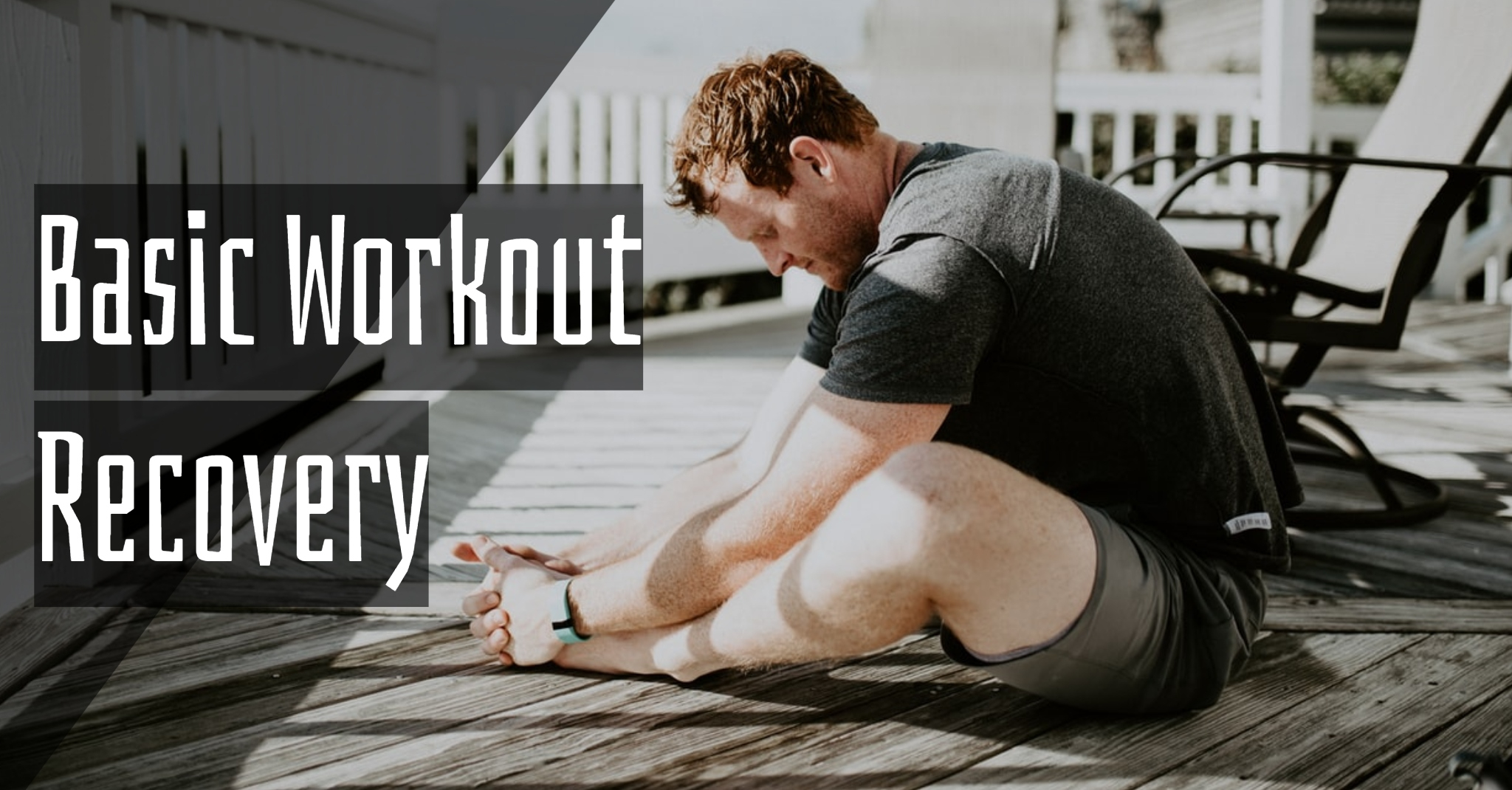
 I have said it many times before, you can train as hard as you want but if you aren’t recovering to the best of your ability in between sessions, you are throwing away gains and limiting your potential. Whilst its true to a certain level that the younger you are the faster you can recover, it doesn’t matter how long you have been training or how old you are, if you don’t focus on your recovery as hard as you do your training, you are only doing half of what’s necessary to be your best. Personally, I couldn’t stand that, especially when recovery is so simple to nail.
Let me give you a scenario; a university student in his first year is doing the classic bro split each week, he’s very much into his training and nutrition ( he is even studying sports science for his degree) and never misses a session. However, it's his first year of uni, it's an experience he will only get once so he is also going out and drinking 3-4 times a week. This means, at best he is maybe getting 2 or 3 sober gym sessions in. Other times he is hungover, tired and dehydrated. His diet is pretty good, he eats healthy but doesn’t track his calories and he never turns down a takeaway at the end of a night out.
 Would you expect this person to make progressive gains in the gym week by week?
I can tell you the answer. Nope! Speaking from personal experience (the scenario is mine), I did not make progressive gains week by week in the gym during my first year. That is not to say I didn’t make gains over the years. I did get stronger and I added a little bit of muscle but it was nowhere near what I could have achieved if I had been a little bit smarter inside the gym, and a lot smarter outside it with my recovery.
Everything I was doing wrong in relation to recovery is written in the scenario. Let’s have a look.
Sleep – I always preach the importance of sleep. It's massively important. So much happens when we have a proper night’s sleep. Our hormones are regulated for peak performance during the next day, we utilise all the nutrients we have taken in that day to repair damaged muscles, stress levels decrease, your blood pressure drops, the list is endless! If you could only focus on one aspect of recovery, this would be it.
Hydration – I would be surprised if I was ever fully hydrated during my first year! Just a 2% drop in body weight from loss of liquid (sweating or urinating) can result in a loss of physical and mental performance. Something you don’t want when you are training. Your body is around 60-70 percent water, depending on your age and gender. That alone should indicate the importance of staying hydrated. When you are fully hydrated, you won’t only perform better, you will recover better too.
 Nutrition – Eating healthy is a great start and many people will see a difference from just starting to do that. However, most people should make sure that they are eating towards a goal. Do you want to build muscle or lose fat? Are you training for performance? You need to know and eat accordingly. If you want to build muscle, you are going to have to be in a calorie surplus. If you want to lose fat, a calorie deficit is required. Maybe you are training for performance and your weight needs to be stable, a calorie maintenance will be needed but you will also need to make sure you are getting enough carbs in and around your training to perform at your best. Your number one priority should be ensuring you know the number of calories you need. You can then focus on your protein intake for muscle recovery, carbohydrates for energy and fats for hormonal functions.
Training and recovery work hand in hand. If you start slacking on one, then the other one suffers. Put 100% into both and see your training progress like never before.