




Post workout nutrition simply means the food and liquids you take in after your workout. They are equally, if not more so, as important as your pre workout nutrition. Pre workout nutrition gets the job done (your workout), whilst post workout nutrition ensures you recover, grow and get stronger. You could have the best training programme in the world but if your nutrition sucked, it wouldn’t matter. Nutrition is king when trying to change your body, whether that means losing fat, building muscle or getting stronger.
Your post workout nutrition will largely be dependant on your individual goals, how many times you are training and the intensity of those sessions. The reasons behind post workout nutrition, however, remain the same for everyone.
When we train, our muscle fibres are broken down.
This happens during the session and is the reason you may have heard that you don’t grow whilst you’re in the gym. In fact, strictly speaking, you get smaller. Don’t panic, its not enough to notice over the pump you have, and it’s not damaging either. Unless your post workout nutrition sucks (see where I’m going with this?). What you put in your body after you train has a direct impact on how those muscle fibres respond to your session. If its calculated and nutritious, you will get stronger and grow (depending on your calorie intake). If its non-existent, or low in the nutrients your body needs, then you are making extremely hard for your body to grow more tissue and to get stronger.
Main source of fuel for training sessions is carbohydrates.

As you may know, the main source of fuel for training sessions is carbohydrates. A meal high in carbohydrates should be consumed at least an hour or so before you train, with the type or carb you consume being dependant on how long you have before you start training. Once consumed, carbohydrates are stored in your liver and your muscle cells. A good way to think about your muscles before training is by likening them to a balloon full of air. Once you start training, the air from that balloon (the carbs) slowly escapes and eventually, if you were to train for long and hard enough, would be fully deflated. You are left with an empty balloon, or in this case, muscles with no carbohydrates in them. This isn’t ideal for two reasons. One being that you are most likely a regular trainer and you need a sufficient amount of carbohydrates to fuel your next session and secondly, carbohydrates play an important role in the process of repairing and growing muscle. You want to be aiming to eat within 60-90 minutes after your session. The reason it’s not immediately after your session is because you want to allow your body to switch back into a parasympathetic state. In this state your body is more relaxed, your heart rate is back into a normal range, you feel calmer and all this leads to better digestion. Aim to eat your largest portion of carbohydrates for the day in this meal, as well as a good amount of protein and some vegetables.
Salt and electrolytes play an important role in hydration.
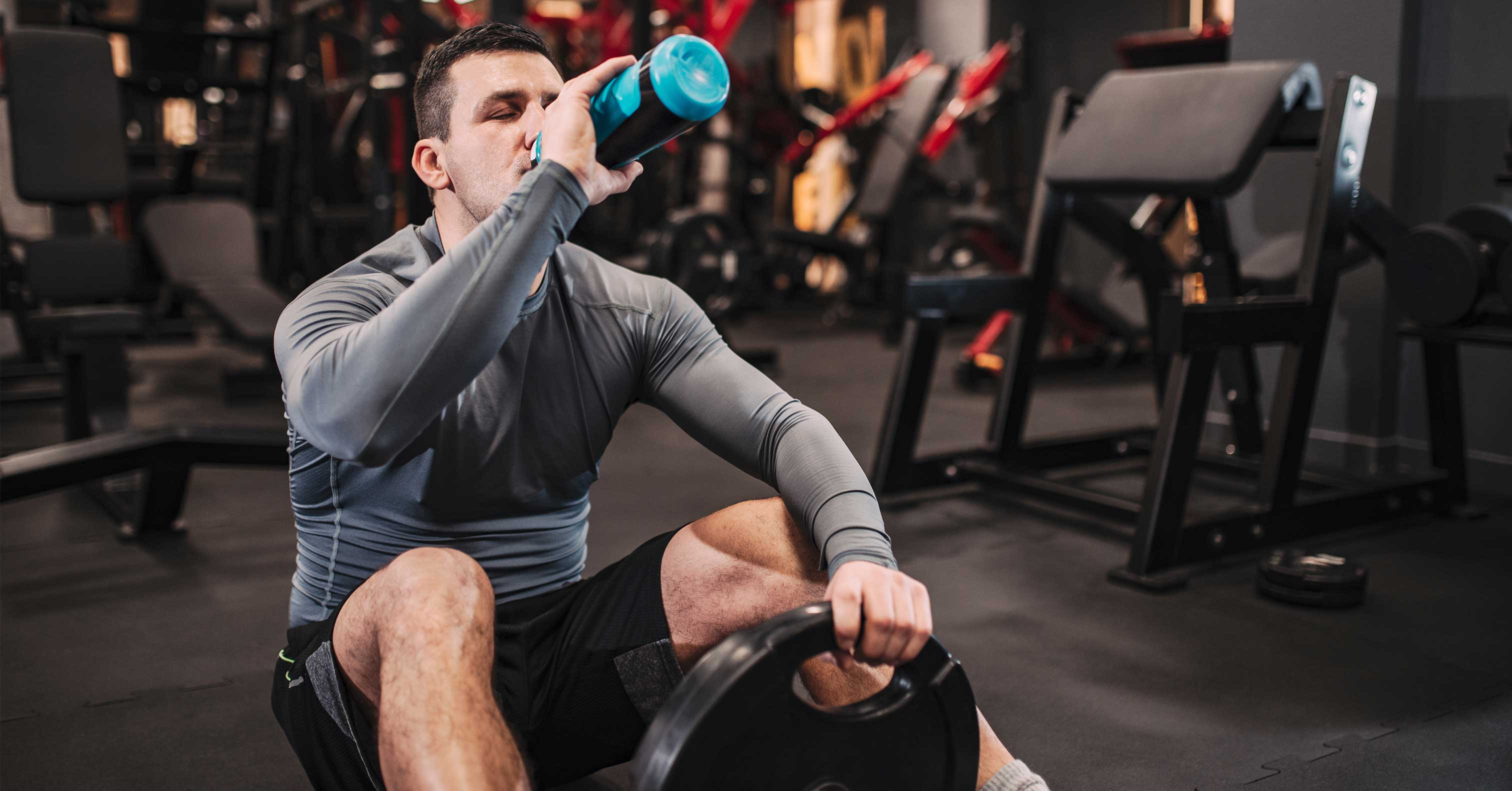
No matter what type of training you are doing, you are going to be sweating if you’re training hard enough. I’m sure we all know what it feels like to be even a little dehydrated, and I’m confident when speaking for everyone that its pretty unpleasant. When we sweat, you won’t be surprised to hear that its mainly composed of water. However, as well as water, it also contains small amounts of salt and electrolytes. Salt and electrolytes play an important role in hydration as they help to deliver water to your body’s cells. Lowered levels can result in greater chances of dehydration. For this reason, it’s extremely important to sip water throughout your training sessions and to get a good amount in post session as well. If you can add an electrolyte powder into the mix during and after training, even better.
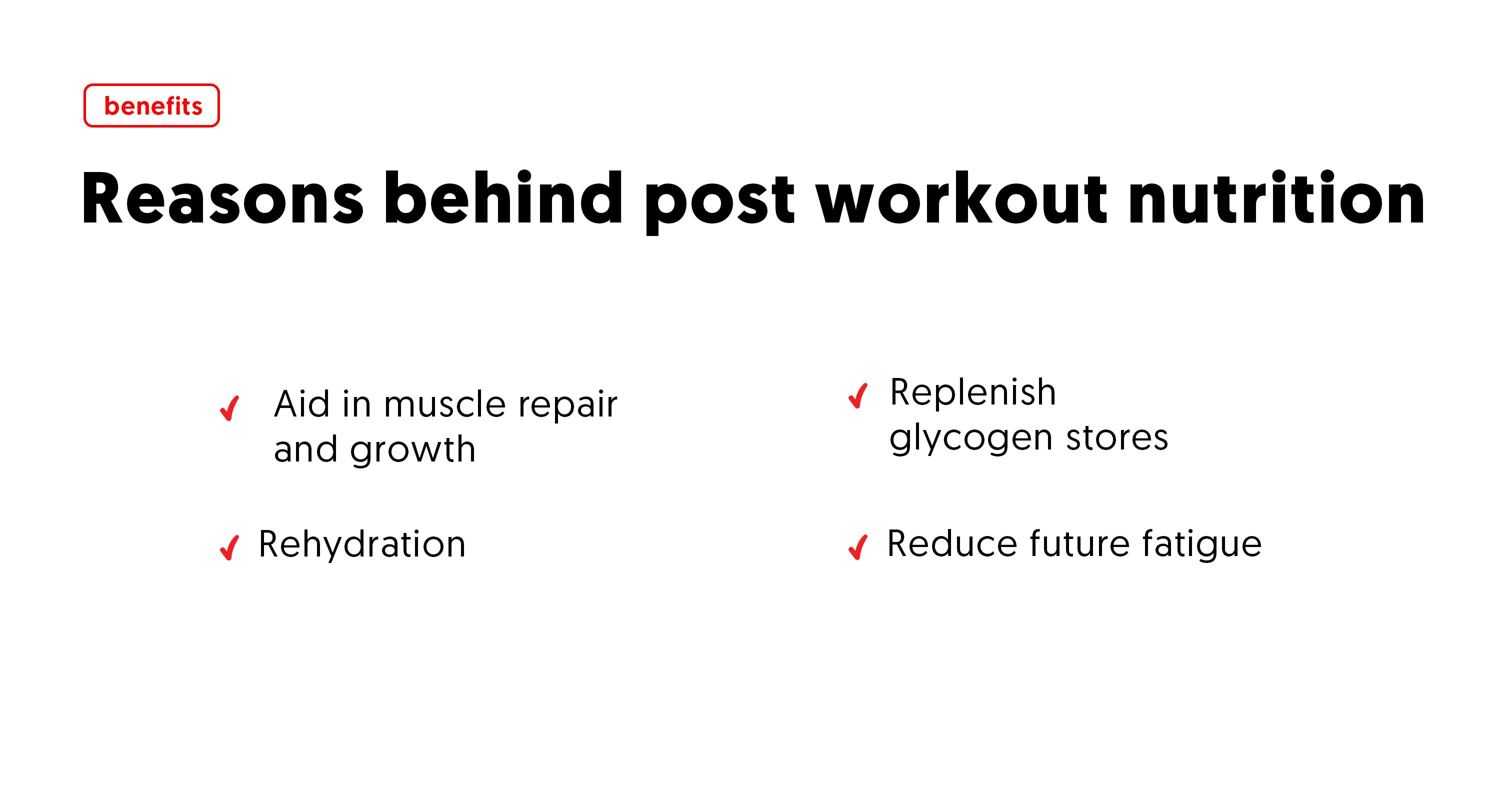
So post session, if you can make sure you are replenishing your glycogen stores ( carbohydrates), re hydrating and consuming enough protein alongside quality nutrients to aid in muscle repair and growth, you’re well on your way to conquering your next training session.
If you don’t, then you can expect an increase in fatigue, reduced training performance and muscle soreness.
I know which one I’d prefer.