



 Boron is a trace mineral (meaning it is needed in small amounts), a micronutrient with a big role to play in the body’s functions. It is always found bound to oxygen. It has been shown to have effects on human health, impacting bone formation and regeneration, wound healing, vitamin D and sex hormone production, brain function, as well as modulating uptake of calcium and magnesium. It has also been suggested that boron has some anti-inflammatory and antioxidant properties. We can go through these salient effects and how much boron you should be getting, then you can make an informed decision as to whether you think you could do with a top up!
Let’s start with bone formation and regeneration. Deficiency in boron has been linked to poor bone development. Since 1985, studies have eluded that with a low boron diet, supplementing can decrease calcium and magnesium excretion and increase levels of the sex hormone estradiol and calcium absorption in postmenopausal women.
It also improves the utilisation of vitamin D and supplementation of boron when deficient in Vitamin D showed improved bone growth. Boron is thought to improve osteogenesis (creation of new bone) by inducing activity of osteoblasts (cells that lay down bone). They “mineralise” the bone and this means that they fill the organic bone matrix with calcium phosphate crystals in a very organised manner. If you want to see something cool, Google “osteoclast electron microscope” and you will see the cells that do the opposite to osteoblasts, and clear bone, doing their amazing job! This stimulation of mineralisation is also thought to be the way that boron improves wound healing. It activates the extracellular matrix (Sounds like something out of a sci-fi movie!) that is basically the scaffolding for new tissue, as well as the enzymes (chemical catalysts) inside fibroblasts (cells that lay down fibrous tissue).
Supplementing with boron when deficient has been shown to increase blood levels of sex hormones. It has also been shown to increase the amount of active Vitamin D (check out my Vitamin D article to learn more) in vitamin D deficient individuals. As well as increasing the amount of these compounds, boron has been implicated in increasing the half-life (how long they last for) and the bioavailability (how easy they are for the body to use) by suppressing the enzymes that usually break them down. All in all, there’s more to use, it’s easier to use and it can be used for longer.
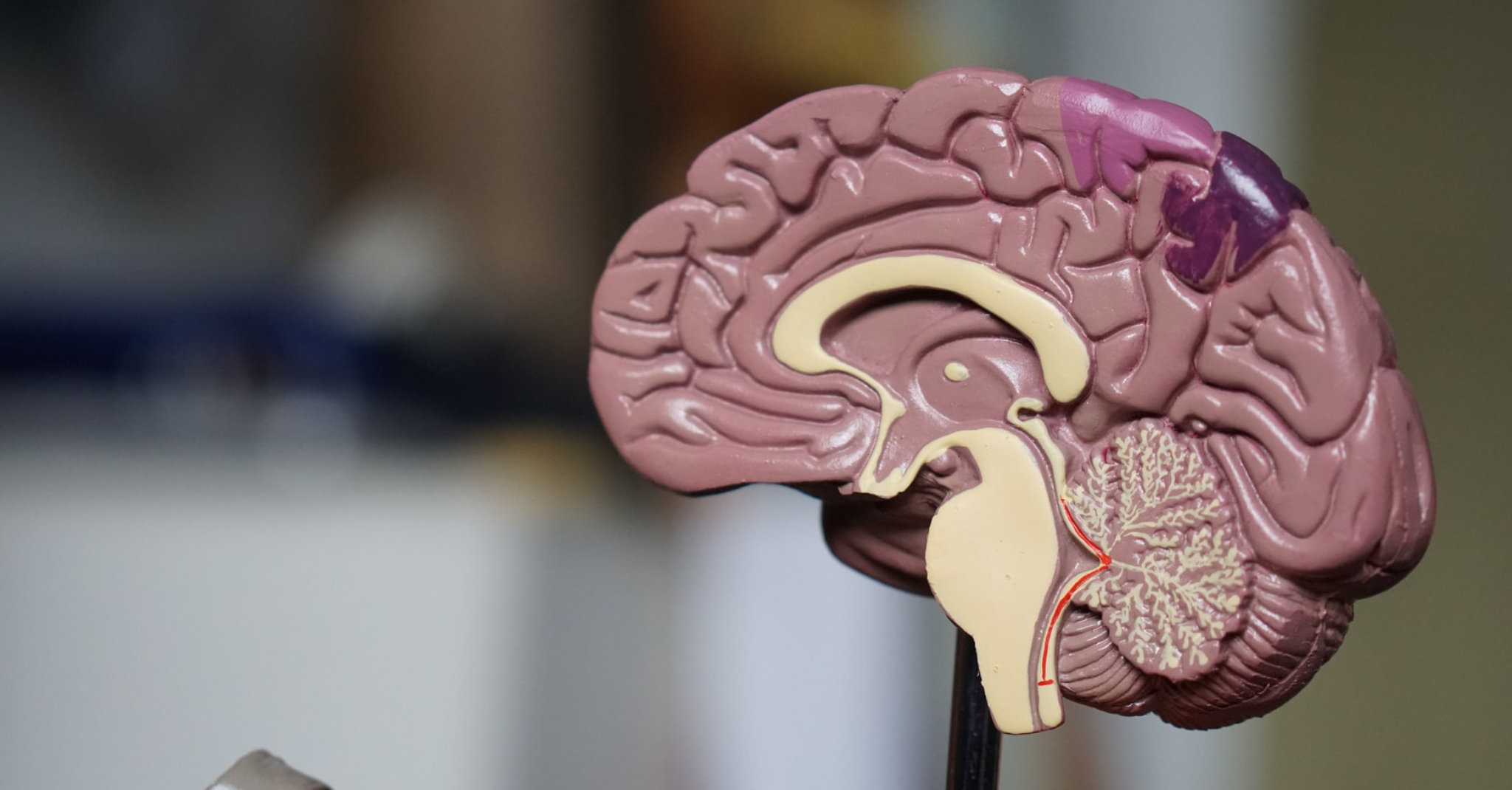
Boron and brain health is a hot topic. When boron deficient, people have been found to have shorter attention spans, weaker short-term memory, and worse coordination due to hindered brain activity. None of those sound ideal to me!
 Finally, let’s talk about boron’s proposed anti-inflammatory effects. Studies have shown that increased plasma levels of boron lead to a decrease in inflammatory markers and reactive oxygen species. It has been mostly implicated for treatment of osteoarthritis. Researchers found that areas with higher boron intake had fewer osteoarthritis sufferers. Furthermore, a lower boron concentration was found in the bones of those with osteoarthritis. It has also been proposed that boron can influence the number of antibodies produced as a study injecting rats with human typhoid vaccination found boron supplemented rats had double the amount of antibodies. Therefore it may play a role in immune function.
Foods rich in Boron include avocado, dried fruits such as apricots, currants, prunes and raisins, red grapes, red kidney beans, lentils and a variety of nuts. Oh and you’ll be glad to know, Shiraz Cabernet wine! Also, interestingly, although not overly high in boron, coffee and milk provide 12% of America’s intake! Intake also depends on your geography as soil boron levels vary greatly. A diverse diet should provide you with around 1.5 to 3mg/day. There is no recommended dose as such but the upper limit is 20mg a day for adults, any higher can lead to toxicity. However, in most of the studies finding beneficial effects, these have been with no less than 3mg/day. Note that most of the studies were done looking at supplementation in participants known or made to be to be boron deficient. If you think that you are unlikely to be getting 3mg/day from your diet (or wine/coffee..) then consider supplementation to reap the benefits.
As always, this is not medical advice and if you are thinking of trying a new supplement, please consider any medications you currently take and any existing health conditions before doing so.
Dr Stephanie Hill
BSc, MBBS