



 In light of current events, as a Medical Doctor with a cheeky Biochemistry degree under my belt too, I thought I would share some knowledge on our incredible immune system. It’s a (very) complex system and so I will break it down into a few topics, as it would be doing it a real injustice if I tried to cram it all into one. The articles within the series will be as follows:
-
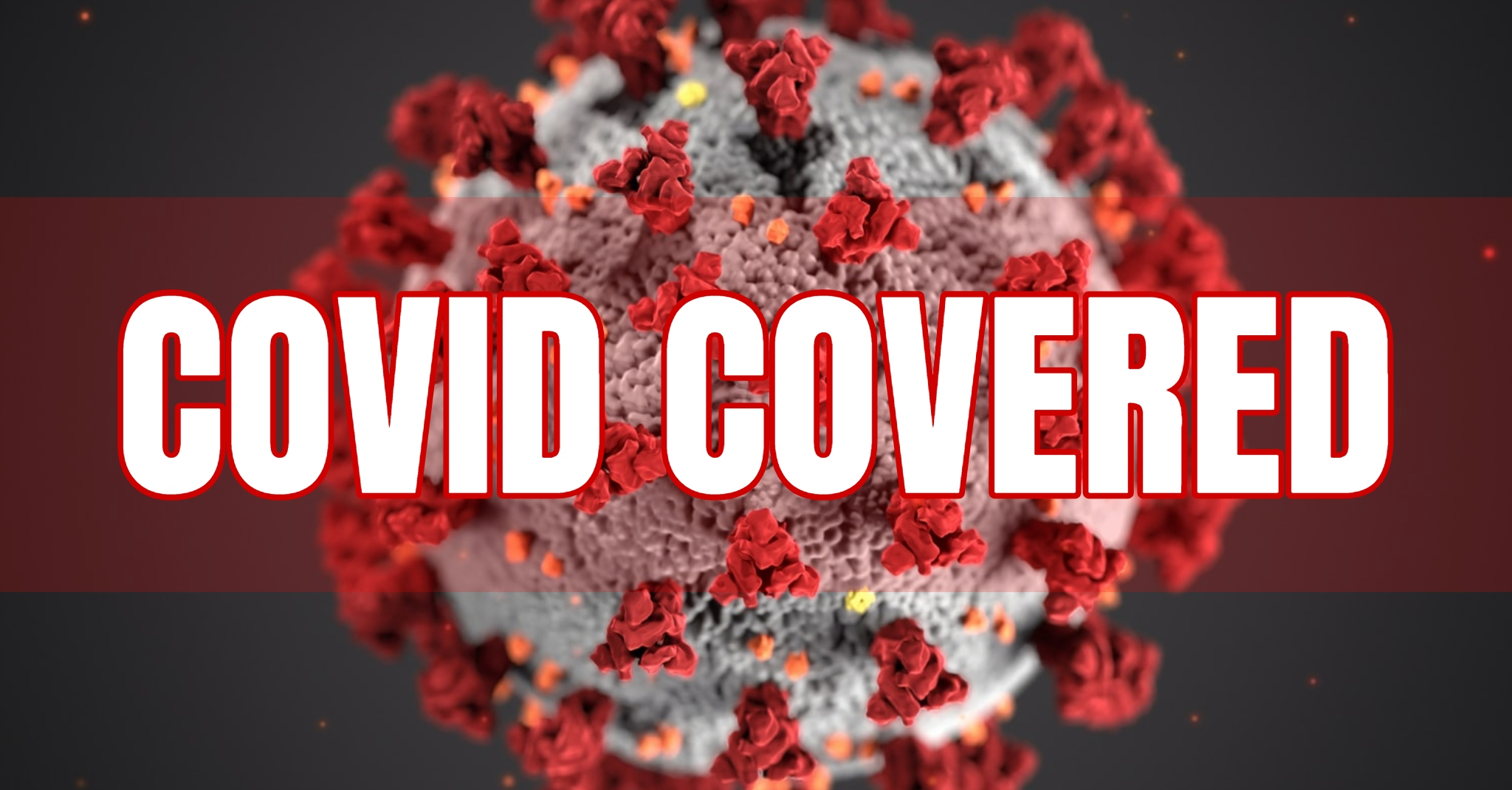
COVID-19 Covered
-
Innate Immunity: The Body’s Frontline Army
-
Adaptive Immunity: The Immune System’s Memory
-
Herd Immunity And How It Prevents Disease
-
Keep Our Immune System Healthy
I want to make the information accessible but the nature of the topic means that it may be heavy on the science. Please skip over anything that is not of interest and feel free to contact me with any questions. This is the first of the series and will summarise what we know about COVID-19 at the time of writing.
 On the 31st December 2019, a number of cases of pneumonia in Wuhan City, China, with an unknown cause were alerted to the World Health Organisation (WHO). It was announced on the 12th January 2020 that a novel (new) coronavirus had been identified as a possible cause of the outbreak. The virus itself is referred to as SARS-CoV-2 and this stands for Severe Acute Respiratory Syndrome Coronavirus 2. This name was assigned by the Coronavirus Study Group (CSG) of the International Committee on Taxonomy of Viruses. The disease it causes has been named by WHO, using its best practice nomenclature (naming) guidance, and is termed COVID-19 (Coronavirus Disease 2019).
Coronaviruses are a big family and the diseases they cause range from simple common cold (yep common cold!) to more serious diseases such as Middle East Respiratory Syndrome (MERS) and SARS. Structure wise (for those wanting to level up the science), each virion (viral particle) is around 50-200 nanometres diameter. Coronam is Latin for crown as this is what the coronaviruses look like under an electron microscope. This is because of their spike like glycoproteins on the outer layer (envelope). The genome (genetic blueprint) of coronaviruses is (please ignore if this makes no sense, but I know some of you have science fuelled hearts) a single-stranded positive-sense RNA (+ssRNA) with a 5’-cap structure and 3’-poly-A tail. This blueprint encodes the virus’ structure (providing the body of the virus) and non-structural proteins (making the virus function and replicate). The spikes I mentioned before are structural proteins known as Spike (S) proteins and these mediate the attachment between the virus and the host cell receptors. They also assist in fusion of the viral and host cell membranes to facilitate entry. The virus has been found to use the same receptor (molecule they attach to) on host cells (angiotensin-converting enzyme-2) as the SARS virus to enter. These receptors are found in the lungs – hence the respiratory infection. There are also Envelope (E) and Membrane (M) proteins on the surface of the circular virus and the Nucleocapsid (N) holds it all together. There are four “Genera” (types) of coronaviruses, alpha, beta, delta and gamma separated by small differences in their structure but with overriding common components. Current information suggests that SARS-CoV-2 is a beta-coronavirus, genetically similar to SARS-like viruses seen in bats from Asia.
There has been conspiracy as to where this virus has come from. These viruses usually transmit to humans via animal hosts and initial theories looked at the Huanan Seafood Wholesale Market as a source but investigations are currently still under way. Due to the similarity in genetic structure, it is hypothesised that the virus originated in bats, but it may have transmitted via another animal host or hosts before reaching humans.
We do not have enough data on how SARS-CoV-2 is transmitted but using the information we have on pre-existing coronaviruses, we are assuming transmission via large respiratory droplets and direct or indirect contact with infected secretions. With droplet transmission, another person can be infected if an infected patient coughs, sneezes or talks in close proximity to them or if they touch an infected surface and then touch a mucous membrane (their eyes, nose or mouth). It is proposed that the droplets typically do not travel more than two meters. We do not yet know when the disease is most contagious but viral RNA levels (virus equivalent of DNA) appear higher soon after symptom onset and so could mean this is the most contagious stage. Incubation period (the time between exposure and symptoms) is thought to be within 14 days, with most symptoms showing up around 4 to 5 days after exposure.
 There is a spectrum of severity of COVID-19 if infected. So far, a report from the Chinese Centre for Disease Control and Prevention looked at approximately 44,500 cases and found the majority (81%) of patients have shown mild symptoms, 14% severe disease (defined as having shortness of breath, low oxygen levels or >50% of their lungs affected on imaging with 24 to 48 hours), and 5% critical disease (respiratory failure, shock or multi-organ dysfunction). Death rate was 2.3% and all deaths were among critical cases. It has been shown that older age and having underlying medical conditions, as expected, increase the risk of more severe disease, possibly due to a weaker immune system response.
There appears to be different stages of disease that patients go through. More research is needed on the way in which the virus causes disease but the hypothesis is presented using well-known immunological theories. When the host is first exposed, the innate immune response (covered in the next article) tries to contain the infection. This stage is associated with mild symptoms due to both the virus directly and our immune system’s response. After this, the adaptive immune response (covered in article 2 as well) should come into play. If the host’s immune system can fight off the infection effectively then symptoms may not get any worse and this may be the end of it for the majority of patients. These are the aforementioned 80% with mild disease. However, during this phase, viral levels drop but the rise in the body’s inflammatory response can cause damage in itself and lead to clinical deterioration termed a ‘cytokine storm’. This can then lead to the underlying process complicating cases of severe disease, Acute Respiratory Distress Syndrome (ARDS). This is a reactive process in the lungs in which the inflammation causes fluid to build up in the lungs and prevents oxygen from reaching the blood. It is something we see in our Intensive Care Units from time to time as a result of a number of pathologies, and that we have protocols to manage but is a serious condition. I am happy to talk about this further if requested and to discuss Extracorporeal Membrane Oxygenation (ECMO) for those who may have seen it mentioned in the news and are interested.
According to WHO, for mild infection, recovery time appears to be around two weeks and three to six weeks for severe disease.
I think that’s quite a lot of information to take in and I am reluctant to talk too much about symptoms as apart from a dry cough and fever being common, the rest is still uncertain. As a result, following the most up to date WHO and NHS guidelines is your best bet. Have a break, wash your hands, and when you’re ready for more, check out the other articles in the series. It will keep you occupied and productive whilst going out for a pint is not an option!
Dr Stephanie Hill
BSc, MBBS