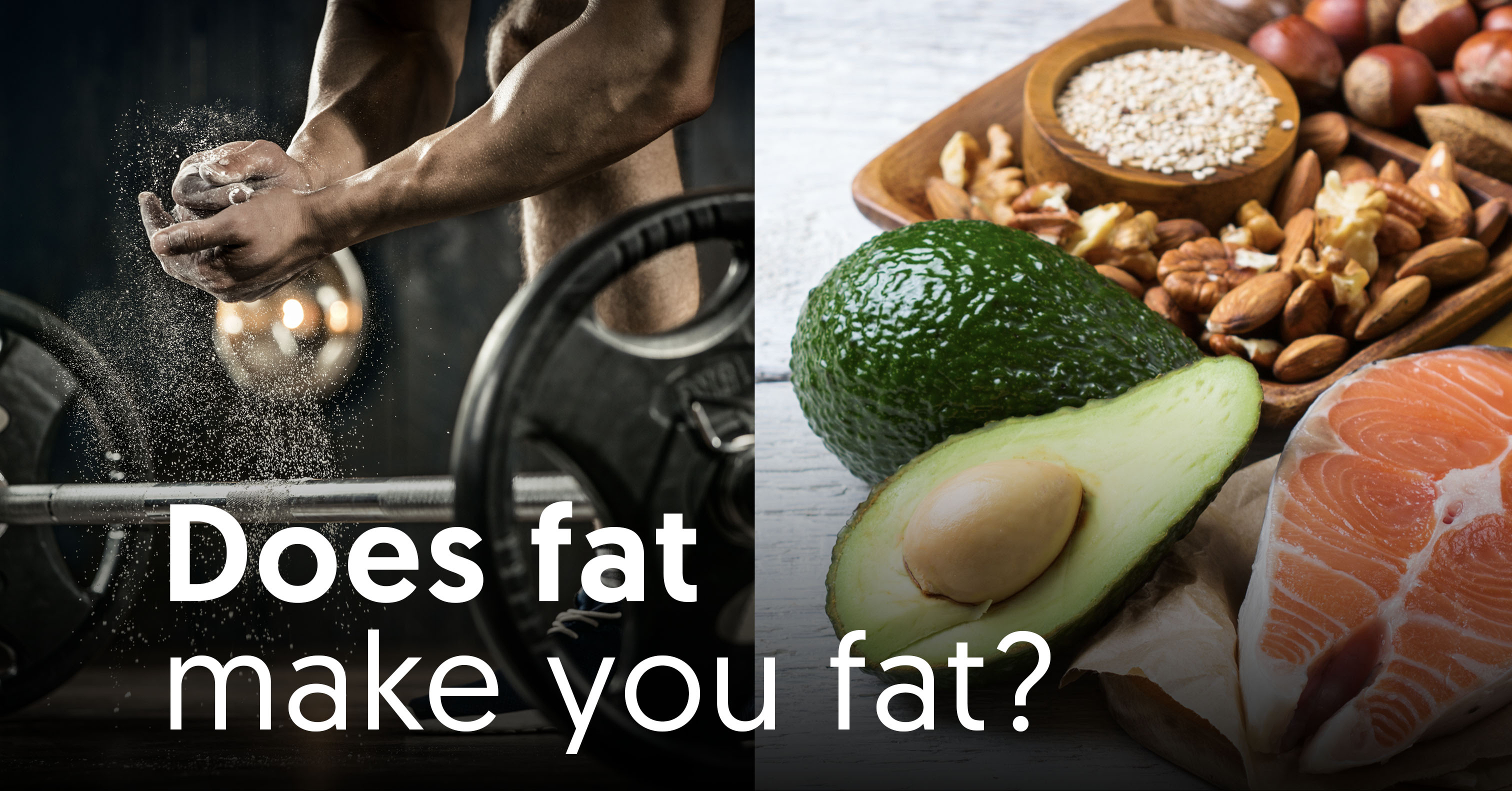
Ah, I love this kind of bro science debate. I can already hear the bro in the gym saying you should lower your fats because well, it's common sense isn’t it? If you eat more fat, then you are bound to add more fat to your frame. The confusing thing is he could be right, or completely wrong. The answer is not a simple yes or no. It is more of an ‘it depends’.
Before we delve into why, let's have a quick look at what fats are and the role they play in our diet.
There are two main types of fats
You probably already know that there are two main
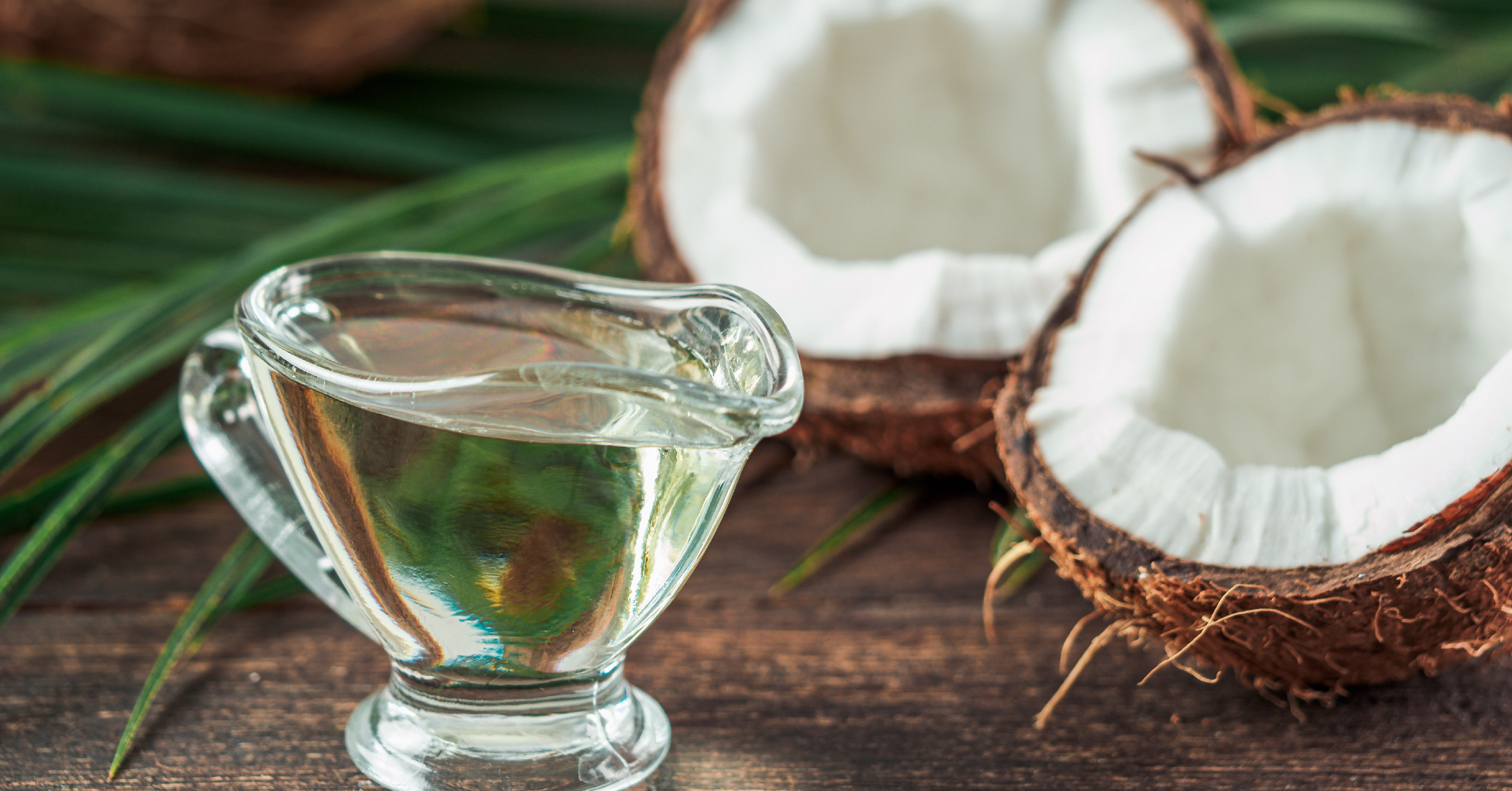
types of fats that you should be aware of. Saturated and unsaturated. Saturated fats should be consumed in smaller amounts than unsaturated as consuming large amounts has been linked to higher cholesterol levels, which increases the risk of strokes and heart attacks. They are commonly found in dairy and meat products but are also in foods like pies, biscuits, cakes and butters (the good stuff). It's still important to consume these types of fats, but in smaller quantities. Try and stick to more natural sources like cuts of beef, cheese and milk. Unsaturated fats can be broken down into polyunsaturated, monounsaturated and omega 3 fatty acids. Don’t worry too much about the different types, it's more important to know what kinds of foods contain them. The most popular are oily fishes like salmon, olive and sunflower oils, avocados, nuts and seeds. If you have ever heard the advice to eat two portions of oily fish a week, the reason is because it contains great amounts of unsaturated fats. As a nation, if we can replace the amount of saturated fats we eat with unsaturated, we will see a large decrease in heart disease and strokes. This is because unsaturated fats can help lower cholesterol.
A large amount of energy

Fats are crucial in our diet and shouldn’t ever be completely avoided. Fat provides a large amount of energy, more than twice the amount of carbohydrates. It contains 9kcal per gram, whereas carbohydrates contain 4kcal per gram. The difference is that energy from carbohydrates is more readily available, so it takes priority. Fats also play an important role in hormone balance. Hormones are formed from cholesterol and fat, making them crucial to a healthy hormone profile. Without them, we would suffer greatly! Furthermore, fats help to absorb certain vitamins like A,D,E and K.
It's clear to see that fats are essential in our diet and can come in various forms, from different food groups. But going back to the original question, does fat make you fat? Well, it all comes down to energy balance. Let’s get rid of one scenario right away, if you are in a calorie maintenance or deficit, and remain in it, fat or any macronutrient isn’t going to make you fat, regardless of your ratios. If you are in a 2000 calorie deficit and all your calories are from fat, you will still lose weight. You will most likely look and feel awful, but you will still lose weight. On the other hand, if you are in a large surplus and eating 4000 calories, it could well be fat making you put on too much weight. Remember, fat has 9kcals per gram, as appose to 4kcal from protein and fat. If most of your 4000 calories is coming from fat, you may need to look at your diet and limit the amount you are having. However, you would also gain weight if you are eating 4000 calories and it's all coming from carbohydrates. Even if you weren’t eating any fat!
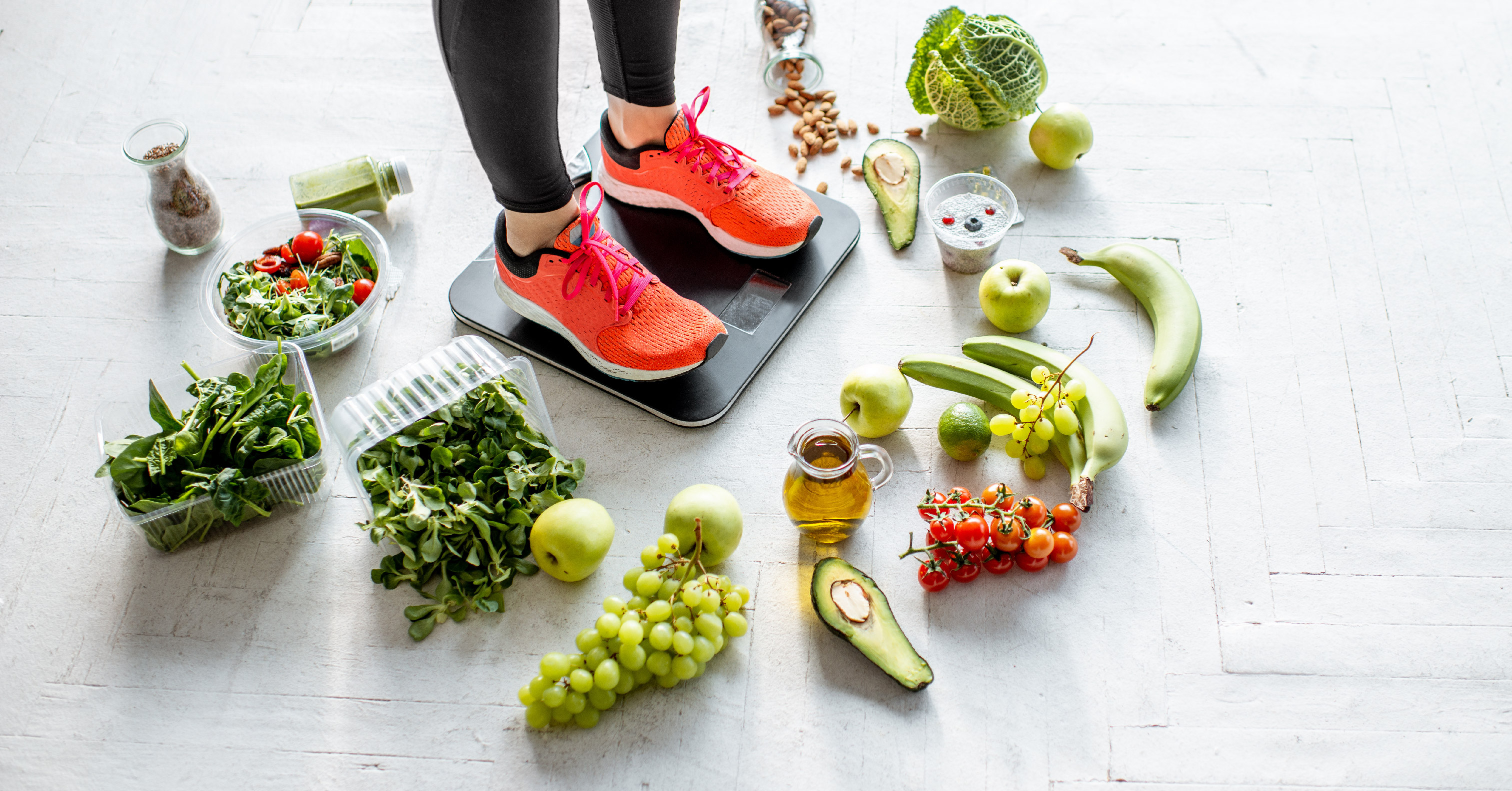
It’s important to know how many calories you need to gain weight at a steady rate and not be in too much of a surplus. From here, you need to calculate smart ratios for each macronutrient and eat accordingly. Remember, the body only registers energy. You can gain weight eating too much protein in the same way you could from fats.
The important take away from this is that eating fat has the potential to make you fat, but it isn’t always the cause of it.