



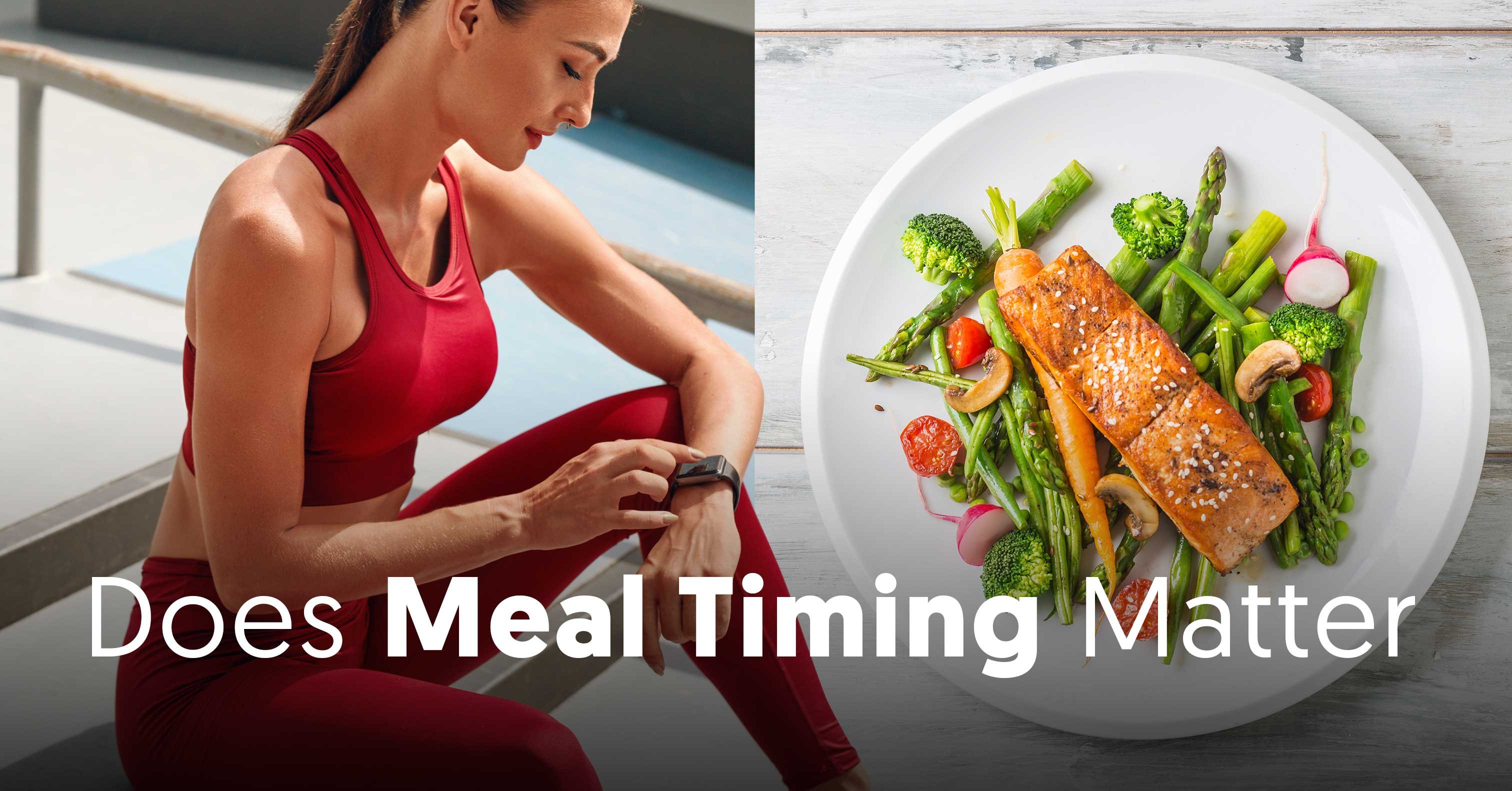
Have you ever heard the old adage “eating late at night makes you store more fat”? Perhaps you’ve been told that skipping breakfast is better for your metabolism? There is a reason why the likes of intermittent fasting is such a popular eating regime for those who want to lose weight or gain weight and do so without compromising their results in the gym. The recurring theme? Meal timing.
‘Nutrient timing’ has long been utilised by bodybuilders and athletes, with ongoing scientific research into its efficacy dating back at least 50 years. Its focus is usually to provide one of three results; a natural boost to training performance, a recovery aid and a powerful fat loss tool. As such, it is no surprise that nutrient timing is incredibly popular amongst the bodybuilding community, as well as other athletes.
EATING BEFORE TRAINING:
Along with some supplements like pre-workouts, food can also be a very powerful tool to aid in maximising a person’s performance when training. A pre-workout is designed to stimulate the central nervous system and vasodilate the blood cells, resulting in greater energy output, endurance and blood-flow. Food, however, can be used to achieve similar results. For instance, ingesting a source of fast- absorbing carbohydrates before your workout can likewise aid performance. However, this

protocol varies person to person. It is widely seen as beneficial to consume 40-60g of carbohydrates 45-60 minutes before training, particularly if the person has not eaten for a long period of time. Eating or ingesting carbohydrates, such as Highly Branched Cluster Dextrin pre training often provides a more natural lift rather than a ‘pre-workout buzz’ that some people find uncomfortable. If your goal is training for performance, then this is a protocol that should be adopted.
THE ANABOLIC WINDOW:
Here is something you might have heard of? The anabolic window! The most debated construct within nutrient timing and the reason why you chug a protein shake as soon as you finish the gym! The anabolic window refers to the 15-60 minutes post-training window within which it is optimal to ingest nutrients. The concept here is that after you have finished training, the level of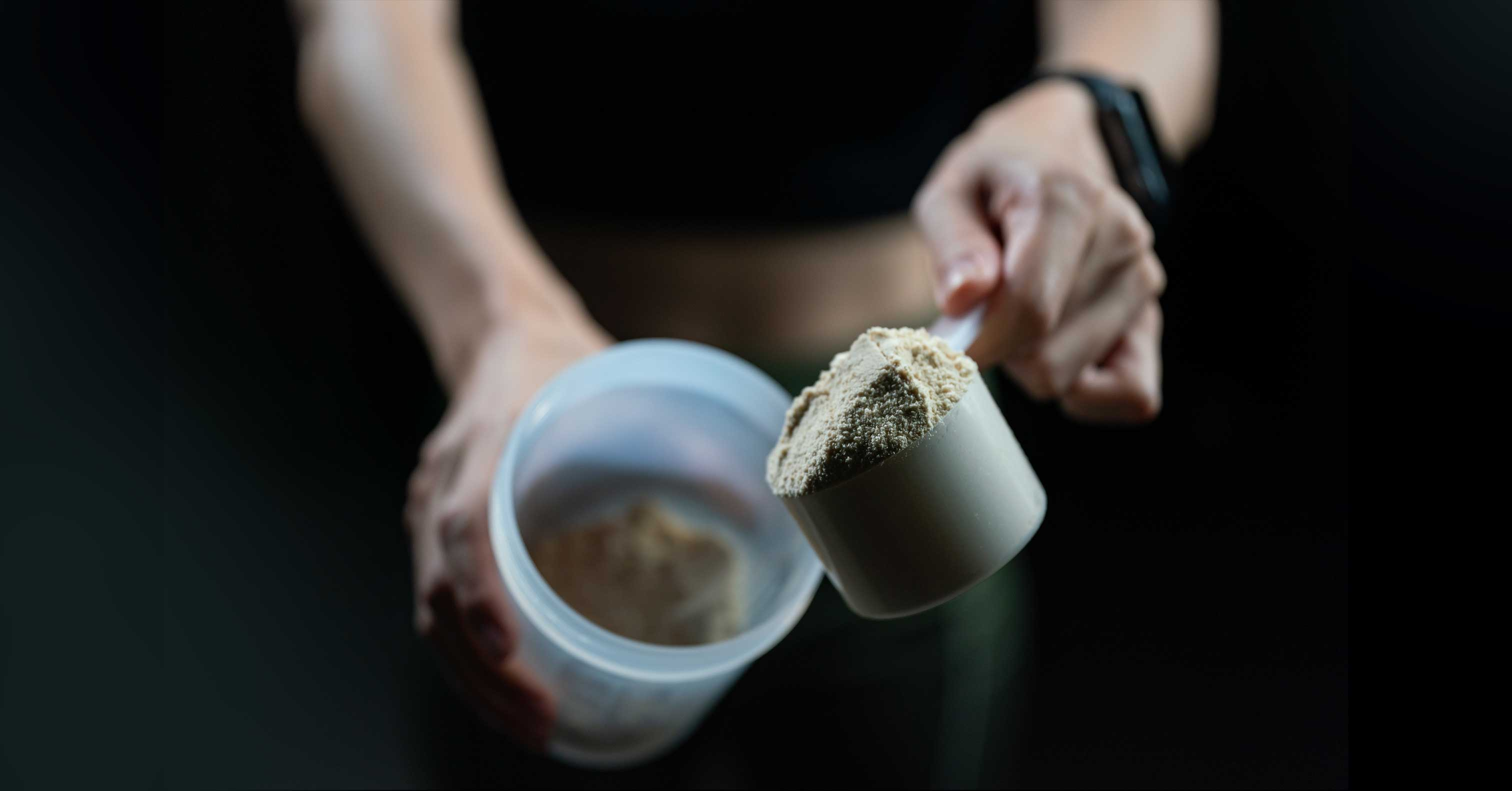
HYDRATION:
A key factor to any nutrient utilisation, whether it be carbohydrates, proteins, fats or timing, is hydration. No matter what practice
The most important factor to consider is that no matter what approach you take, it must work for you. The take home advice is to experiment with nutrient timing, make small changes to your timing and see if your performance improves as a result, or is hindered because of it. It’s a marathon, not a sprint and you will find what works for you.