



 We’ve all heard of the macronutrients such as carbohydrates, fat and protein and most of us understand what these do. But what about vitamins? Most people will have heard of them but what do they actually do? Do they provide us with energy? Read on to find out.
First of all, let’s get to grips with what vitamins actually are. Vitamins are essential micronutrients which we all need. Different vitamins have slightly different functions but in essence, they are essential for growth. Vitamins cannot be synthesised by the body, therefore we must consume them to ensure our body is functioning correctly. Moreover, it is important to ensure that we are consuming enough vitamins to maintain healthy bodies. You may have heard of essential amino acids? Well these are similar in a way because these cannot be made by our bodies either.
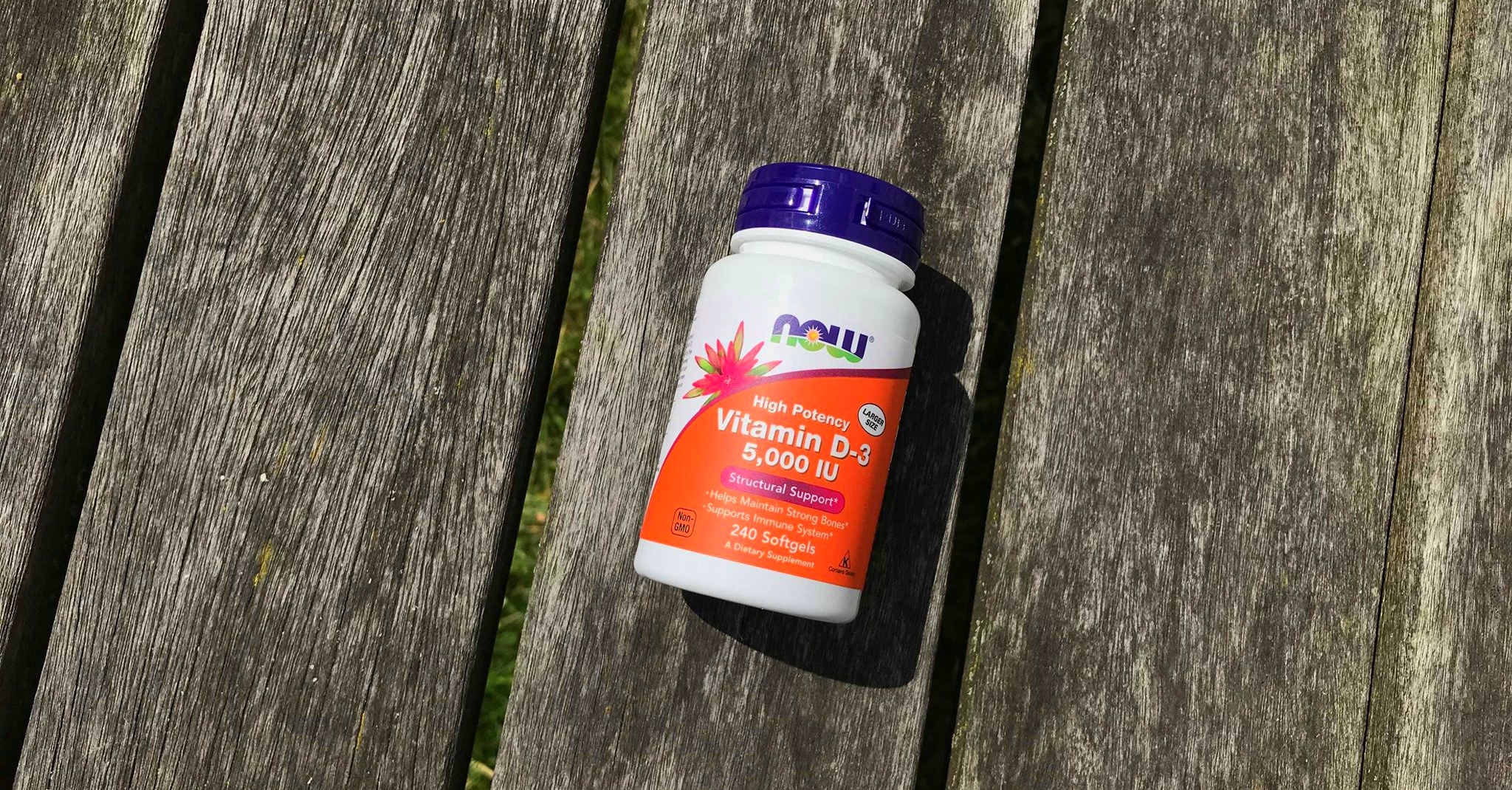 So, do vitamins provide you with energy? To be direct, no. However, inadequate levels of vitamins can have serious adverse effects on the body which can result in fatigue, tiredness, sickness and disease. Therefore, consuming the correct levels of different vitamins will increase levels of vigour, well-being and perceived energy, as your body is able to function more healthily. So although they do not actually provide us with energy like carbohydrates and fats do, they are important to regulate how energised and healthy we feel.
Read on to find out more about some of the different vitamins we require, where you can get them from and what they do for our bodies:
-
Vitamin A (or retinol) is important in helping your immune system to fight off illness and infection, it also keeps your eyes healthy. Retinol can be found in: cheese, eggs, spinach and carrots. Women require 0.6mg per day whereas men require 0.7mg per day. Consuming any more than 1.5mg per day over a long period of time can result in weaker bones. Therefore, ensure you are not exceeding your daily intake if you are taking these as a supplement.
-
B vitamins (including riboflavin, folate and niacin) come in a variety of different forms. However, most B vitamins help your body to break down food for energy. Many B vitamins also play vital roles in the central nervous system. Many B vitamins can be found in foods such as: eggs, fortified breakfast cereals, whole-grains and vegetables. Many B vitamins are safe to consume as an additional supplement however there are a couple of B vitamins to consider. Niacin can lead to skin flushes and eventually liver damage if it is consumed in high doses for a long time, and a high dose of vitamin B6 over a long period of time can result in loss of feeling in the arms and hands. However, if you are pregnant, you would benefit from increasing your consumption of folate for the first 12 weeks of pregnancy to 5mg per day to reduce the likelihood of neural tube defects.
-
 Vitamin C is important to maintain healthy bones, cartilage and skin. It can be found in oranges, strawberries and broccoli. If you take vitamin C supplements, this is unlikely to cause you harm unless you are consuming more than 1000mg per day. Consuming in excess of this could cause stomach pain and diarrhoea.
 -
Vitamin D is used to maintain healthy bones and muscles. A lack of vitamin D can lead to bone deformities such as rickets. During the spring and summer months, you will receive enough vitamin D from the sunlight. However, during the winter months, most of us do not consume enough. Therefore, a dietary supplement may be worth considering.
-
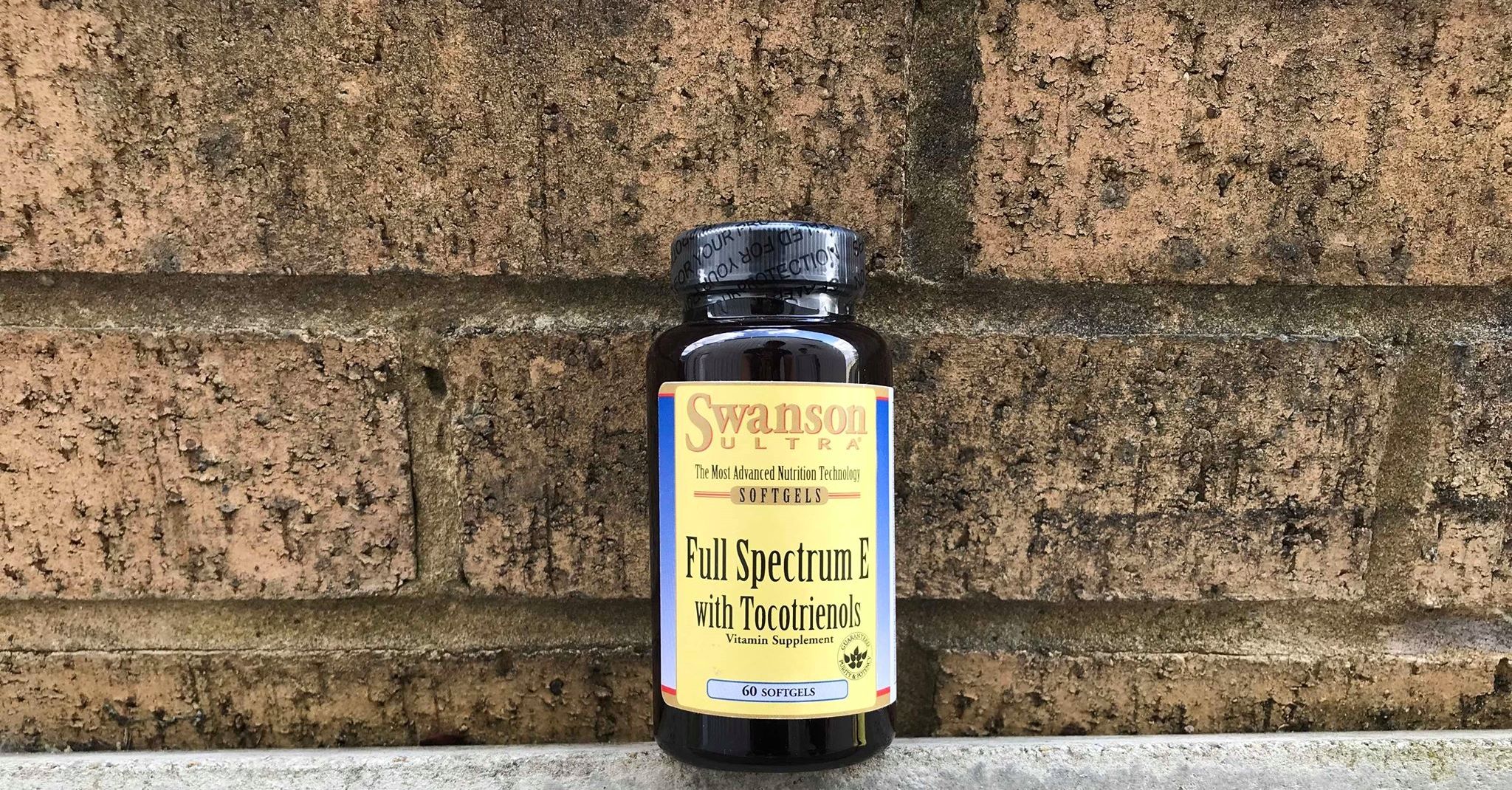
Vitamin E is found in nuts, seeds and plant oils. It is important for maintaining healthy skin and eyes and is also important in supporting the body’s immune system.
-
Finally, Vitamin K is a micronutrient important for blood clotting. This means that it helps to heal wounds when we cut ourselves. Vitamin K can be found in green leafy vegetables such as broccoli and spinach. It is recommended that adults consume 1mcg per day for each kilogram of your body weight. Therefore, the heavier you are, the more Vitamin K you need to consume.
Hopefully I have been able to shed some light on vitamins and how important they are for our bodies. Although they do not necessarily provide the body with energy, we should all appreciate how important these essential micronutrients are in keeping our bodies fighting fit.
Toby Hone
BSc (hons) Sport and Exercise Science