



 Exercise selection is something that I feel is overlooked in many people's training programmes. They may choose exercises that are popular on social media, that their favourite influencer does or even randomly assign exercises to their program without ever thinking about why they are performing them. For the beginner, it's less of an issue. They can merely stare at a weight and begin to grow (okay not quite, but you get my drift). Having said that, a beginner will get off to a much better start if they choose the right exercises at the start of their weight training journey. Compound movements over isolation movements for example. When it comes to intermediate and advanced lifters, exercise selection becomes even more important and you really have to be in tune with your body to know what exercises work for you, how often to use them and when to change them.
If you are a beginner, then I advise making the majority of your exercise’s compounds rather than isolation exercises. A compound movement is simply a movement that uses multiple joints and muscles to get from point A to point B. Whereas an isolation movement typically uses 1-2 muscle groups and a single joint. Compound movements include squats, deadlifts, rows and presses, that are all usually performed with a barbell. Very rarely will you perform a compound movement that is on a machine in a fixed position. Isolation exercises on the other hand, are nearly always performed using a machine and a fixed range of motion but can be performed using dumbbells in some circumstances.
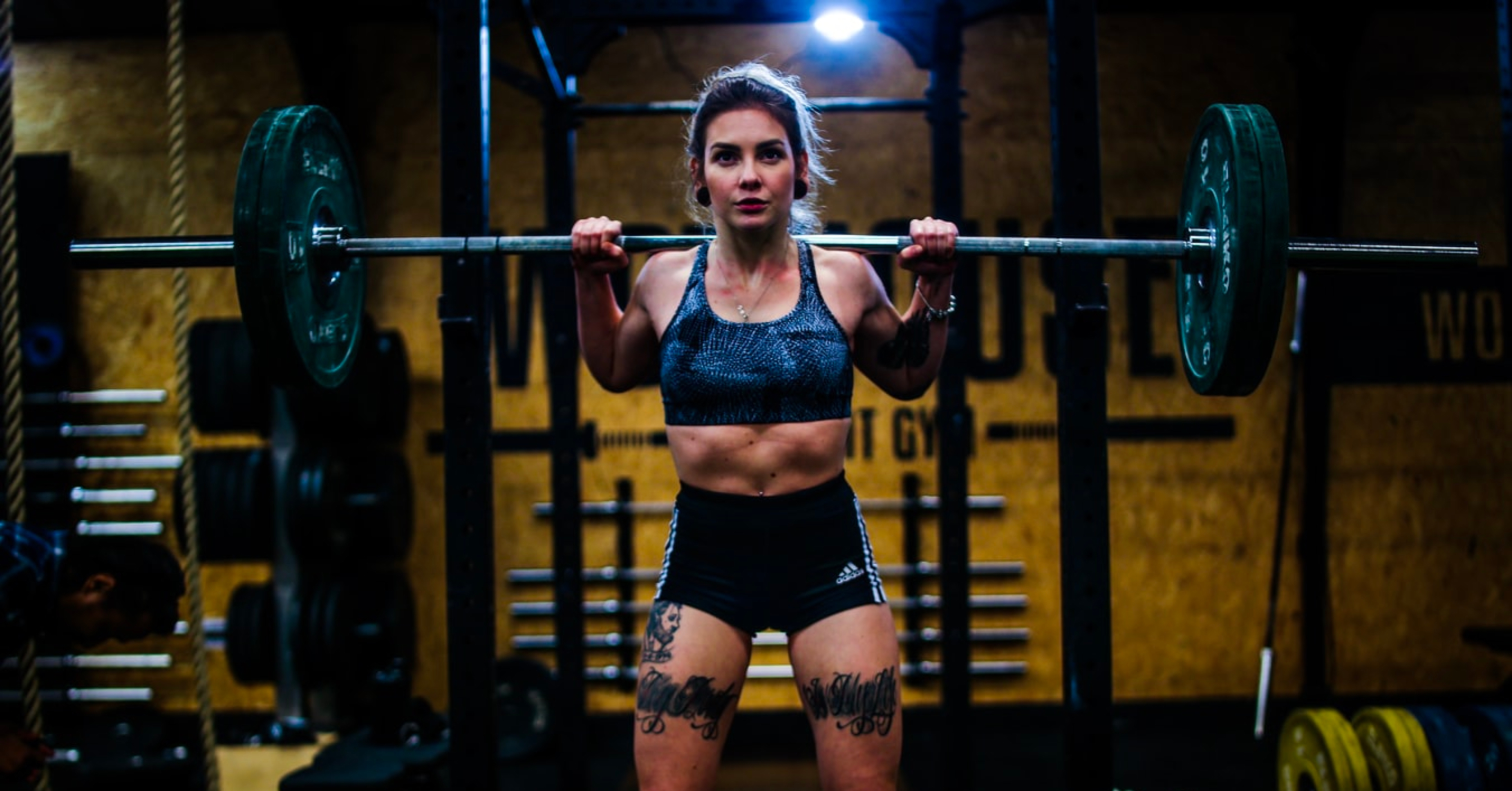 As a beginner, all you really need is 3 full body days in the gym, using compound movements and potentially a few isolation exercises. A good example is below.
Full body
Squats – 3x10
Barbell row – 3x10
Flat barbell bench press – 3x10
Military press – 3x10
Barbell curl – 3x10
Tricep dips – 3x10
With the split above, you would only need to train Monday, Wednesday and Friday, keeping the exercises the same and focusing on getting stronger each session. In terms of exercises, less is usually more. That carries true for beginners all the way through to advanced trainers. Having too many exercises in your program can be problematic for learning movement patterns. It's much more beneficial to have a handful of exercises and master them. As a beginner, you want to build your foundation. Once you have done that (which can take years), you are ready to move on and start incorporating different movements and more isolation exercises should your goal be to look good and build muscle.
Even though intermediate and advanced lifters should have a solid foundation built, it doesn’t mean that compound exercises are suddenly dropped from programming. Compound exercises still remain an important part of programming and are an integral part of progressing. At this stage in your lifting journey, around 1-3 compounds per body part per training is enough. The rest of the session can be filled with isolation exercises focusing on increasing muscle mass and improving the strength of your main lifts.
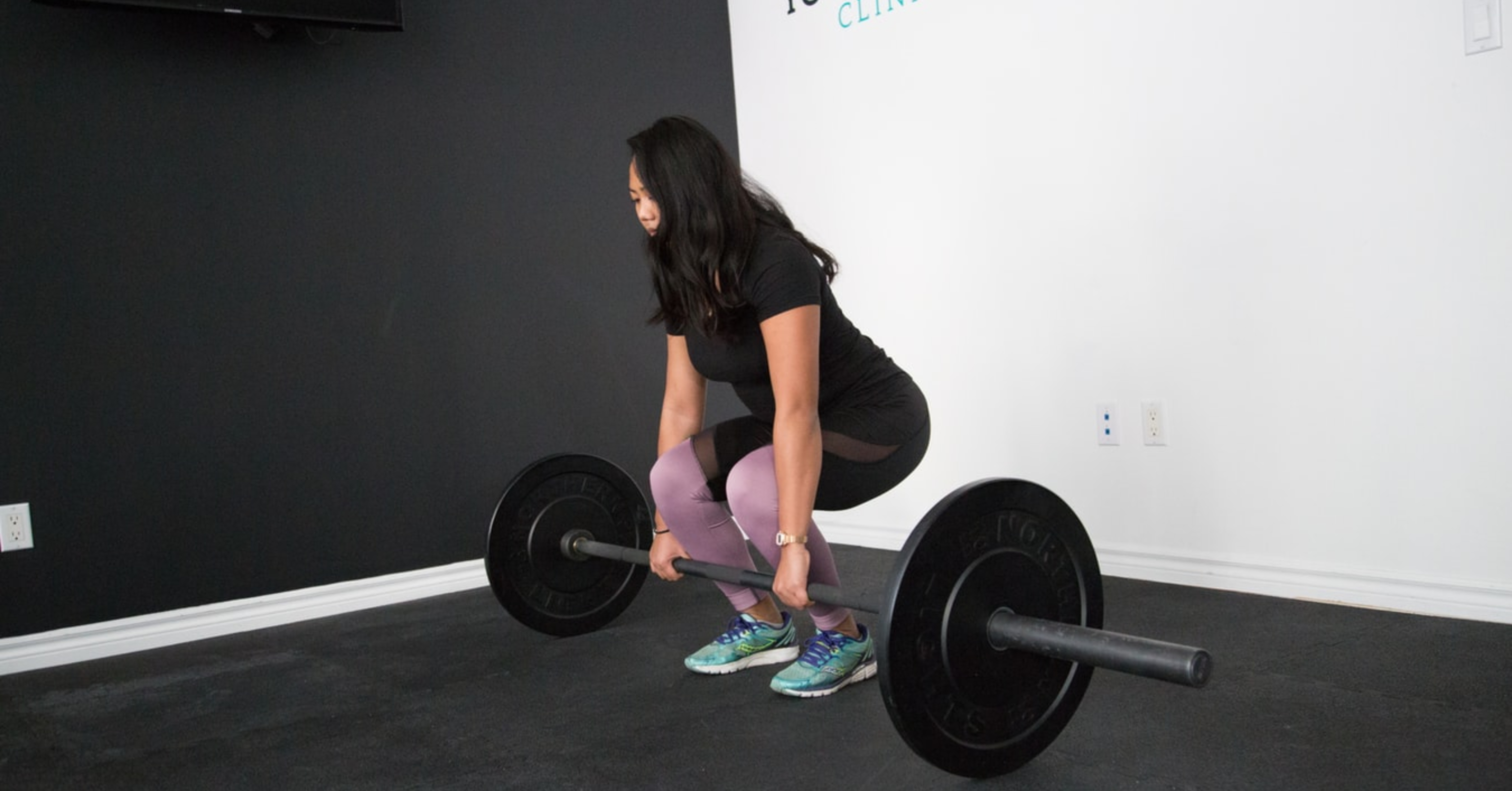 For example, a leg session could start with barbell squats, move into barbell Romanian deadlifts then finish with leg extension, seated hamstring curl and a calf raise.
Another important thing to consider is if you can really feel the exercise working the desired muscle. If not, you may be missing out on muscle. A training quote I have lived by for quite some time now is ‘if you can’t feel it, you can’t grow it’.
Recovery from an exercise should also be considered. You may have noticed that some exercises just completely take it out of you, and you find yourself sore for days after you perform them. This isn’t normal and you may need to reduce your volume, intensity, check your form or even swap the exercise for a similar one.
Exercise selection shouldn’t be overlooked when creating a weight training program. Once you have chosen your exercises, trial them for a few weeks and see how you get on. Can you feel it working the muscle? Are you recovering okay from it? Are you getting stronger? These are all questions you should be asking yourself about your exercise selection.