



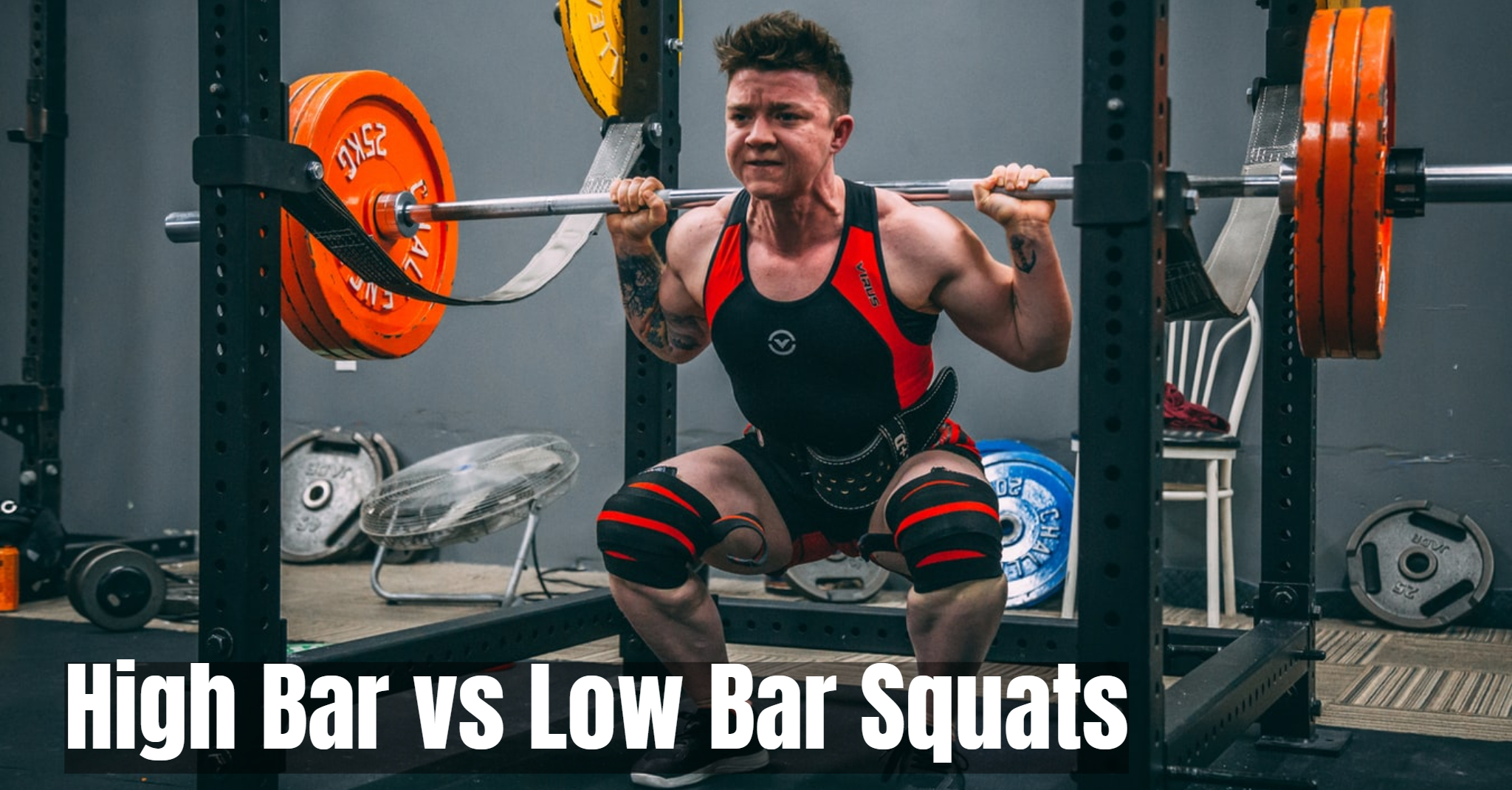
 Barbell Squats are one of the best exercises you can perform to increase your leg strength, but there are two different ways of going about it. To the untrained eye it can be difficult to identify the differences, but a closer look reveals that different Athletes perform their squats with the Barbell placed on different parts of the upper back.
Let’s take a look at each technique:
Conventional Squat Set-up:
Similarly to Dead-lifts, it is important to keep a flat back, and centre the weight over your heels. Try to avoid leaning too far forward, as this will put unnecessary pressure on your lower back. Turn your toes outward slightly to allow your hips to sit forward through the squat. This will allow you to remain upright at depth.
 High Bar Squat:
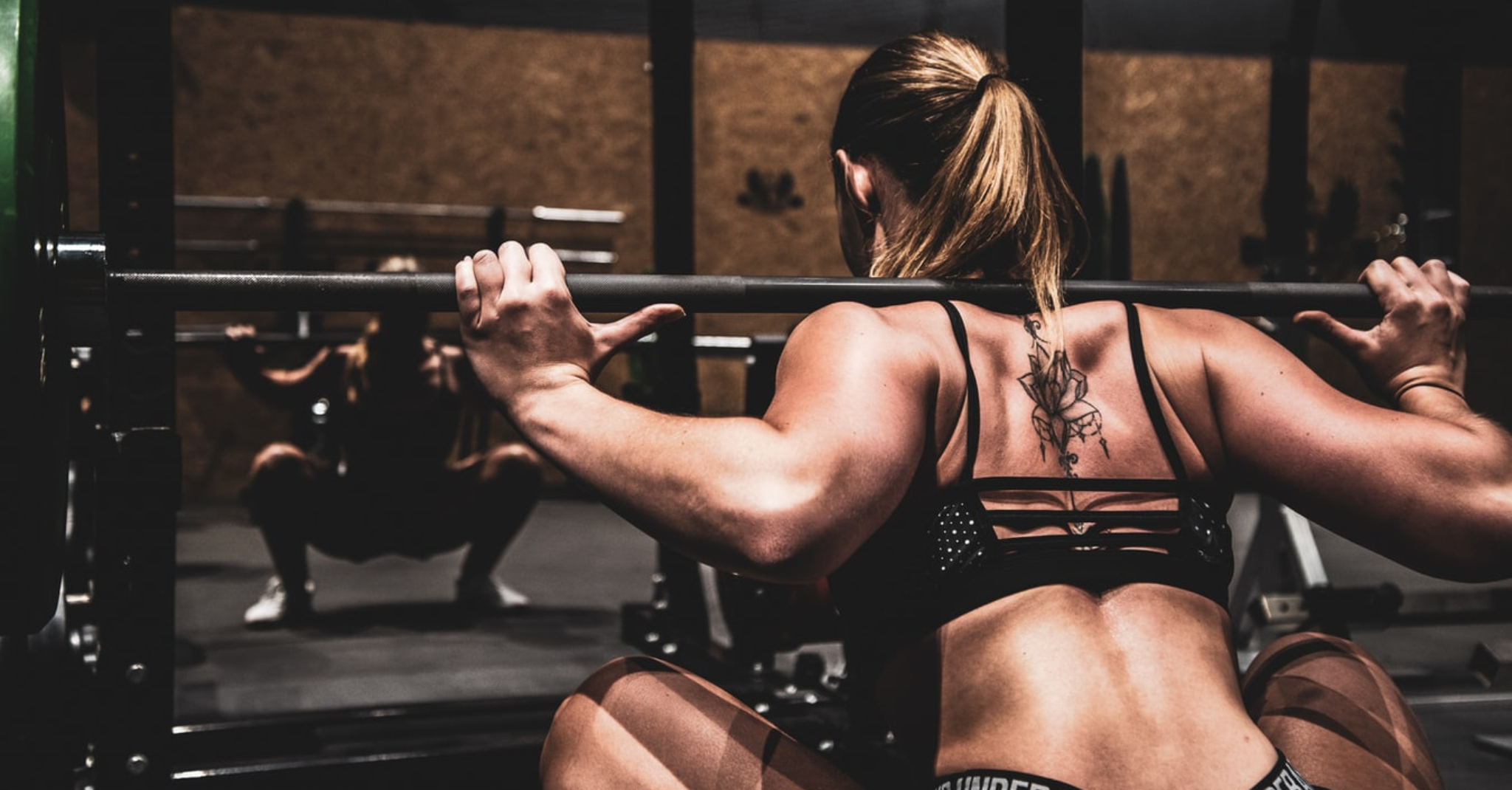
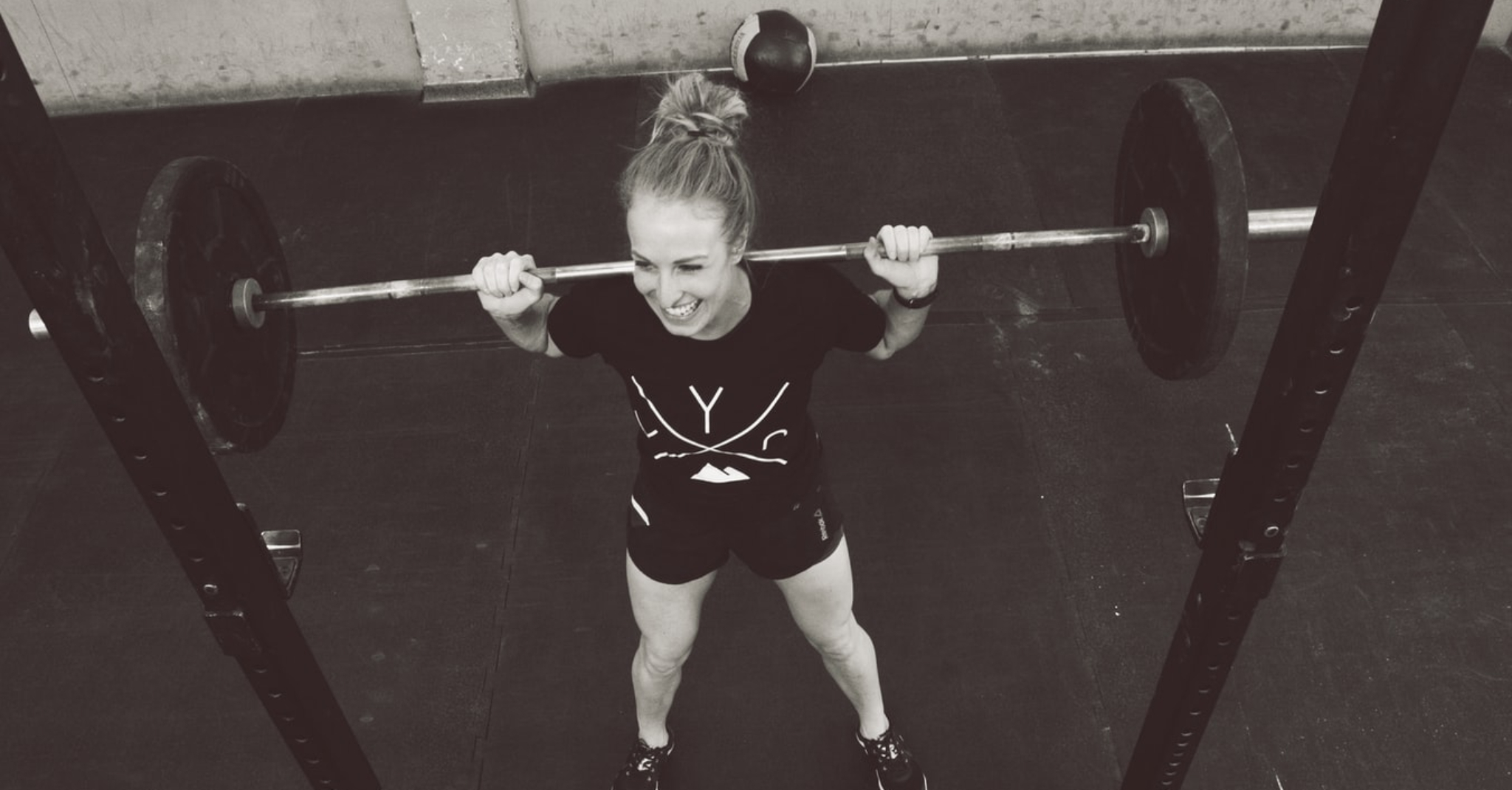
For these, the barbell will lie along the top of your Trap muscles on your shoulders. You should grip the bar with neutral wrists and a comfortable-width grip. As you lower, your body will remain upright to a degree, to allow your posterior to lower further.
Low Bar Squat:
For Low bar squats, the bar will lie, you guessed it, lower down on your traps, closer to your shoulder blades. To keep the bar here and stop it from sliding off, you will need to pinch back your shoulders and elbows to form a flat surface, while keeping good pressure on the bar with your palms. As you lower yourself down you will remain as a slight angle, leaning forward to prevent all of the weight from pushing down on your wrists.
High bar squatting is certainly far more geared towards Hypertrophy. Hypertrophy is best defined as: “Involving an increase in the size of skeletal muscle through a growth in size of its component cells. Two factors contribute to hypertrophy: myofibrillar hypertrophy, which focuses more on increased myofibril size, and sarcoplasmic hypertrophy, which focuses more on increased muscle glycogen storage.” This type of squat is chiefly superior for muscle growth as it allows for maximum contraction of the Leg muscles with a longer bar path.
 Low bar squatting is used more for powerlifting, with the goal being to lift as large a weight as possible. The Low bar squat allows you to lean forward into the squat, creating more elastic potential and engaging more muscle groups to complete the lift. In this version, the labour is shared by more muscle groups, allowing you to lift more weight.
So which of these is best for you? Well clearly it will depend on your Squatting goals. Are you trying to build large muscled legs, or are you trying to squat heavy? Each of these squatting styles clearly has its benefits, with High bar being better for Muscle Hypertrophy, and Low bar being better for large lifts. That being said, they certainly complement each other. Each of these techniques can be very beneficial no matter what style of training you’re working on. If you’re looking to lift large weights and looking to add more plates on to your maximum Squat, then High Bar Squats can truly help you to improve. Increasing muscle volume can have serious benefits on capacity for strength. If bodyweight isn’t an issue, it is certainly advisable to increase your Quad, Glute and hamstring muscle tissue to allow for optimal strength. The reverse can also be said to be true. Making good use of larger muscles by really putting them to the test and building your strength can help to develop muscle density, which means you won’t lose your gains so quickly when you have time off from the gym. Developing good strength and muscle density can help for long-term physique progress, by stopping your body from shrinking during long stretches of inactivity.