



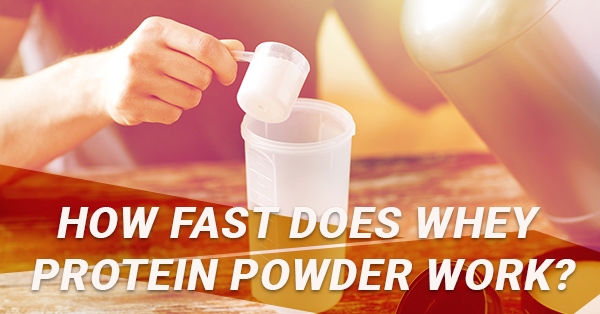
 Protein is arguably the king of the macro-nutrients in terms of supplementation as it is most necessary when it comes to supporting lean muscle growth, and aiding recovery. Whey protein is the most popular protein supplement source on the market. Included in protein powders, mass gainers, bars and more, it is certainly the most accessible protein source when considering the supplement industry. It is considered a rapidly absorbed protein, when compared to counterparts such as casein, and so it has gained momentum among gym goers, athletes and bodybuilders as the go-to protein for supporting lean muscle growth and recovery from extensive exercise. Many athletes support the theory of an anabolic window, spanning only a few hours following a workout, in which you should consume and digest whey protein in order to achieve maximum results. Following this theory, Whey protein is certainly the go-to protein as it provides your body with a complete protein faster than most others. So let's address some different proteins and their absorption rates, and the benefits thereof.
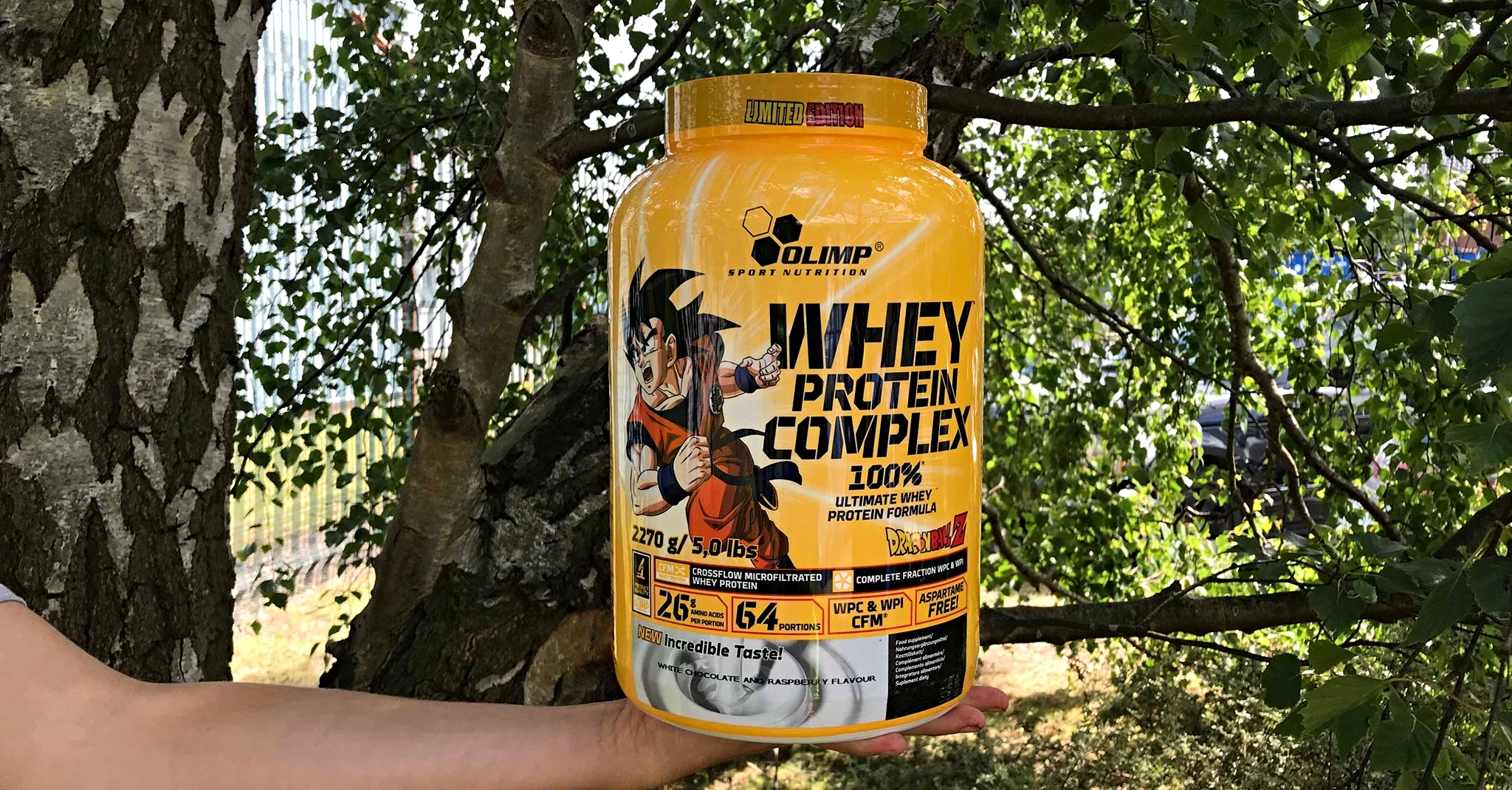
First, of course, let's discuss whey protein. Whey is a protein from cow's milk, just like casein, and is popular due to it being easy to flavour, cost efficient and healthy. Many experts have slightly varying opinions on the absorption rates, but for healthy individuals it can be as fast as only 15 minutes! That is some seriously rapid absorption. Most studies reveal that the absorption rate of Whey protein is approximately 8-10g per hour in the average human body. Consider the end of your workout, you could consume a Whey protein isolate powdered drink, and deliver complete protein, rich in amino acids, right to your exhausted muscles in a quarter of an hour. Crazy!
 Next let's look at Casein, another milk protein, which is widely understood to be a slow-release protein. Casein is regularly drunk before sleep, to allow the protein to be released gradually into your system throughout the night, feeding your muscles and allowing them to recover while you get some kip! Clearly in comparison, whey is certainly the faster protein to consume after a workout, but casein definitely has its use!
Next let's look at some vegan-friendly protein, soy. Soy is a great source of protein however it does have its drawbacks. It’s absorption rate is relatively slow absorbing 3.9 grams every hour, which is especially slow compared to Whey which is more like 8-10g per hour. Therefore, even though it is a brilliant protein source, it is not as beneficial following a workout as whey protein.
Another popular protein source is egg protein. Most data shows that egg protein is absorbed into the body as the slowest rate, (Even slower than casein!) In this case, they may be a great alternative to casein to consume before sleep. But they are not a fantastic post-workout protein source due to their slow absorption.
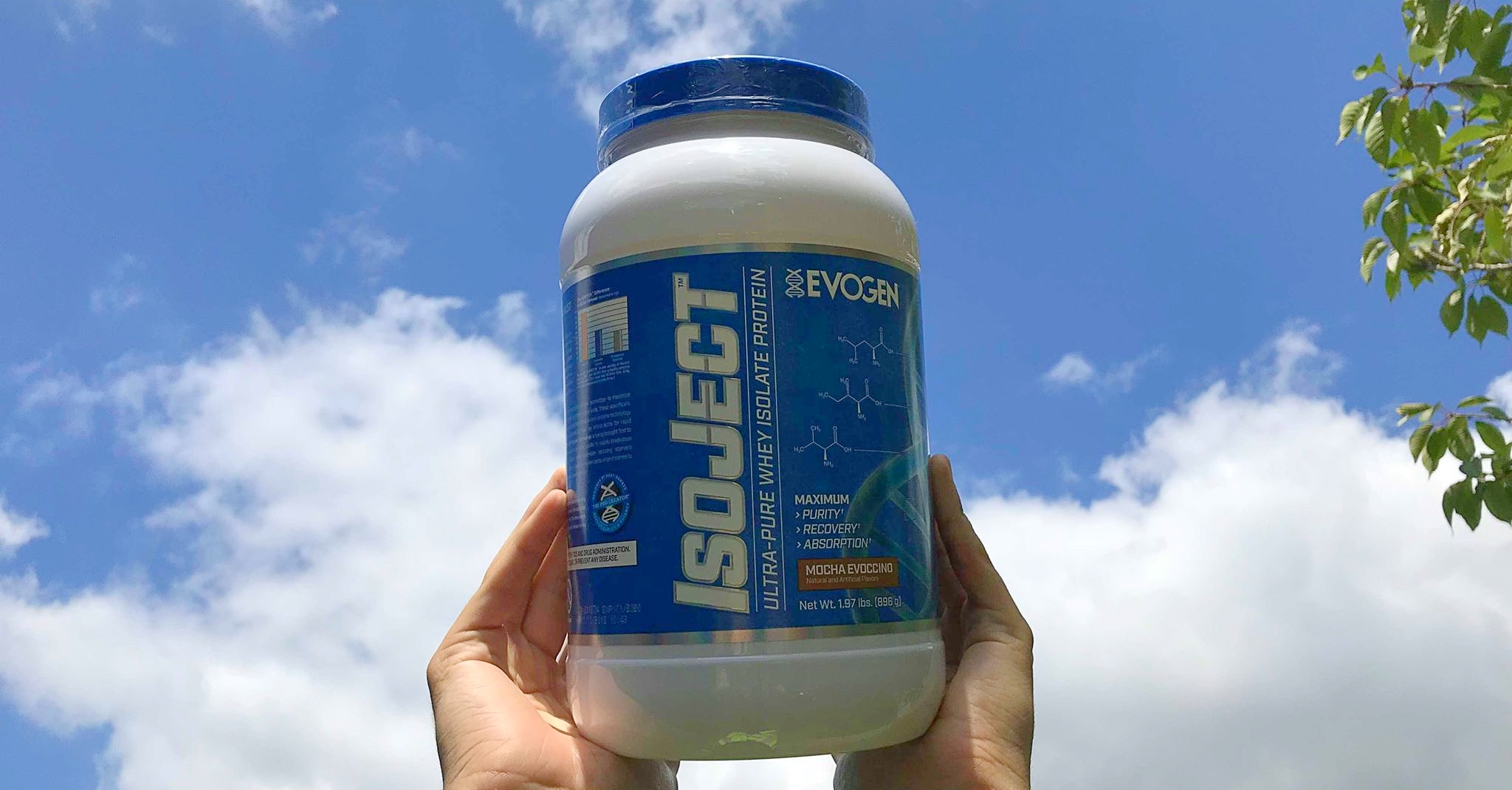 In conclusion, it is quite clear that whey protein is the most rapidly absorbed complete protein available. Being absorbed at a rate of approximately 8-10g per hour, it is the ideal protein source following a workout, to provide all of the complete protein your body needs to develop lean muscle, aid growth, and help with recovery following an extensive and exhaustive session. Following whey protein, (and raw amino acids,) Casein is surprisingly one of the next quickest proteins in terms of absorption rate. So while we have been discussing the best protein to take post-workout, perhaps we have found great alternatives to slow-release proteins other than casein. Soy and egg proteins provide a complete protein source, equally valuable in terms of nutrition, at a slower rate, meaning they would be fantastic as a 'before-bed' protein, to feed your muscles while you sleep.
Toby Hone
BSc (hons) Sport and Exercise Science