



 First of all, let’s define the Compound lift. Compound lifts are those which utilise multiple muscle-groups to perform a task, and they can be very useful for increasing strength. When thinking of compound lifts, we’re immediately drawn to the class powerlifting and Olympic lifts: Bench, Deadlift, Squat and Military Press. These are the four lifts which will be covered in this article.
Let’s start things off with progressive overload. This is the method of systematically adding more weights and/or repetitions to your weekly session, to force your body to adapt to the added workload. Here’s an example of how this would look:
Week 1:
Bench 100kg 5 sets of 5 reps
Deadlift 140kg 5 sets of 5 reps
Squat 120kg 5 sets of 5 reps
Military Press 60kg 5 sets of 5 reps
Week 2:
Bench 102.5kg 5 sets of 5 reps
Deadlift 142.5kg 5 sets of 5 reps
Squat 122.5kg 5 sets of 5 reps
Military Press 62.5kg 5 sets of 5 reps
 Week 3:
Bench 105kg 5 sets of 5 reps
Deadlift 145kg 5 sets of 5 reps
Squat 125kg 5 sets of 5 reps
Military Press 65kg 5 sets of 5 reps
Week 4:
Bench 107.5kg 5 sets of 5 reps
Deadlift 147.5kg 5 sets of 5 reps
Squat 127.5kg 5 sets of 5 reps
Military Press 67.5kg 5 sets of 5 reps
This can also be done instead with sets or reps:
Week 1:
Bench 100kg 5 sets of 5 reps
Deadlift 140kg 5 sets of 5 reps
Squat 120kg 5 sets of 5 reps
Military Press 60kg 5 sets of 5 reps
Week 2:
Bench 100kg 5 sets of 6 reps or 6 sets of 5 reps
Deadlift 140kg 5 sets of 6 reps or 6 sets of 5 reps
Squat 120kg 5 sets of 6 reps or 6 sets of 5 reps
Military Press 60kg 5 sets of 6 reps or 6 sets of 5 reps
Week 3:
Bench 100kg 5 sets of 7 reps or 7 sets of 5 reps
Deadlift 140kg 5 sets of 7 reps or 7 sets of 5 reps
Squat 120kg 5 sets of 7 reps or 7 sets of 5 reps
Military Press 60kg 5 sets of 7 reps or 7 sets of 5 reps
Week 4:
Bench 100kg 5 sets of 8 reps or 8 sets of 5 reps
Deadlift 140kg 5 sets of 8 reps or 8 sets of 5 reps
Squat 120kg 5 sets of 8 reps or 8 sets of 5 reps
Military Press 60kg 5 sets of 8 reps or 8 sets of 5 reps
Progressive Overload is fantastic for forcing your body to adapt to larger workloads, encouraging them to grow in order to complete the increasingly difficult task.
Next let’s look at Muscle Hypertrophy. Muscle Hypertrophy is the increase of skeletal muscle by means of the growth of its component cells. Two things contribute to muscle hypertrophy: sarcoplasmic hypertrophy, focusing more on increasing muscle glycogen storages; and myofibrillar hypertrophy which focuses chiefly on increased myofibril size. Increasing muscle volume can have serious benefits on capacity for strength. If bodyweight isn’t an issue, it is certainly advisable to increase your pectoral muscle tissue to allow for optimal strength.
Now let’s take a look at supporting compound movements with complimenting exercises. What I mean by this, is improving the strength of the required muscle groups by training them with different exercises. Here are some good examples for each Compound lift:
Bench
Pectoral Fly
Dumbbell Bench Press
Press-Ups
 Deadlift
Hyper-extensions
Sumo Deadlift
Barbell Row
Squat
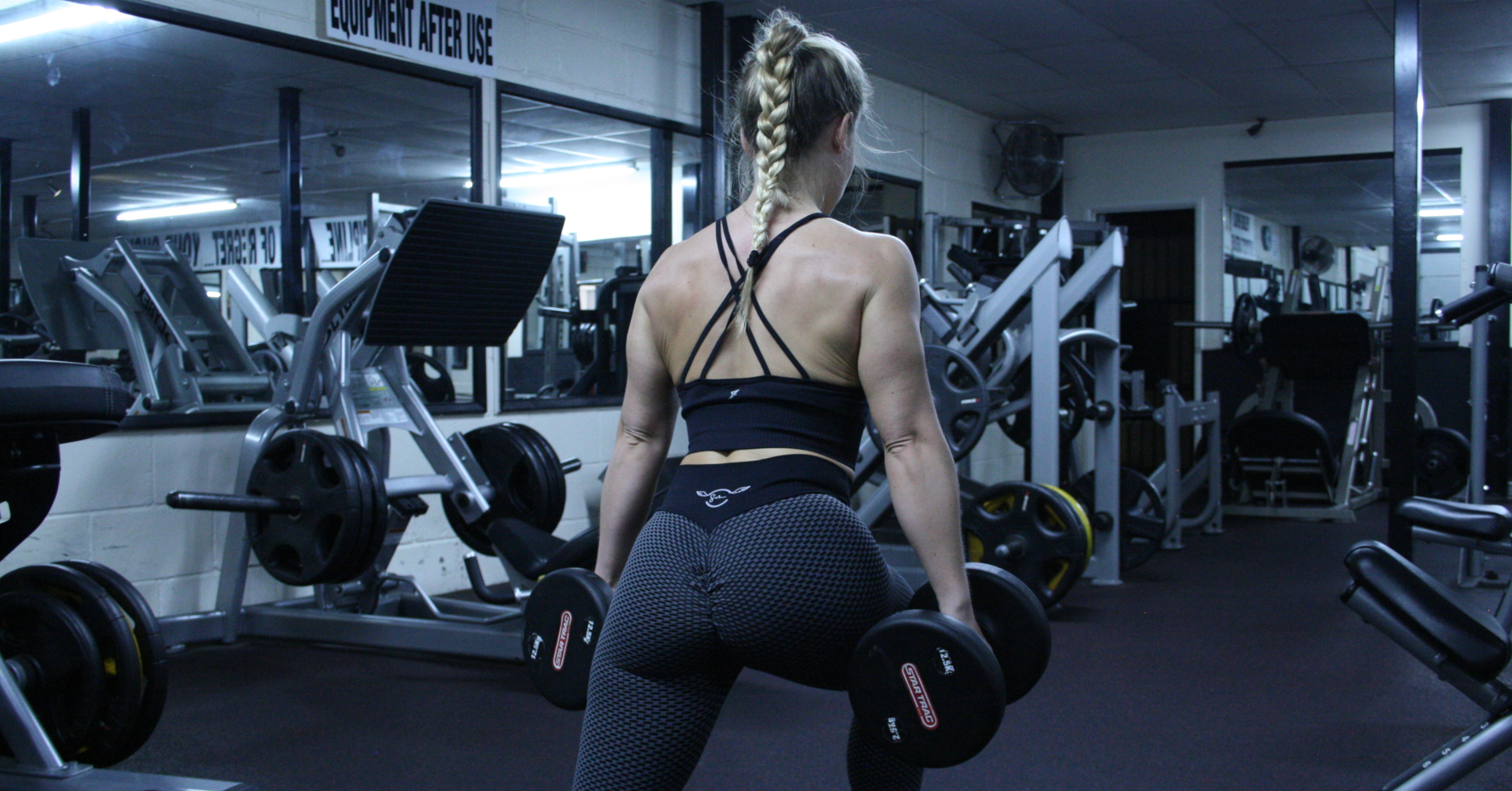
Leg Press
Leg Extension
Hip Thrust
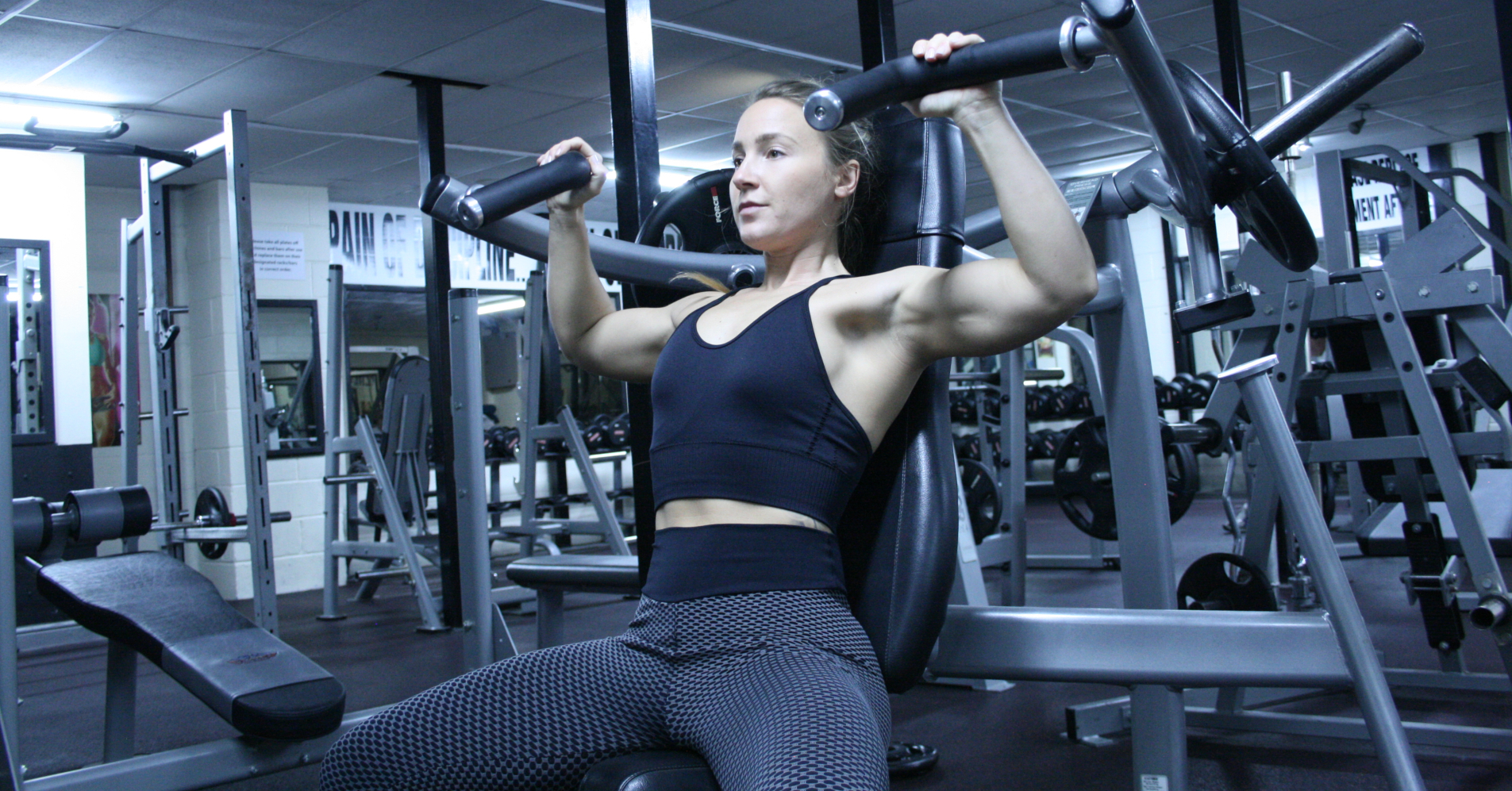
Military Press
Lateral Raises
Dumbbell Shoulder Press
Arnold Press
Performing these exercises, and other, similar movements, can help to increase the strength in those specific muscle groups, as well as the flexibility and range of motion, allowing you to lift heavier weights with more ease.
Begin to work on steadily and structurally increasing the weight you’re lifting, spend some time focusing on developing muscle mass, and do some complimentary exercises to direct your progress. Combining each of these aspects will give you a great platform to begin improving your compound lifts.