



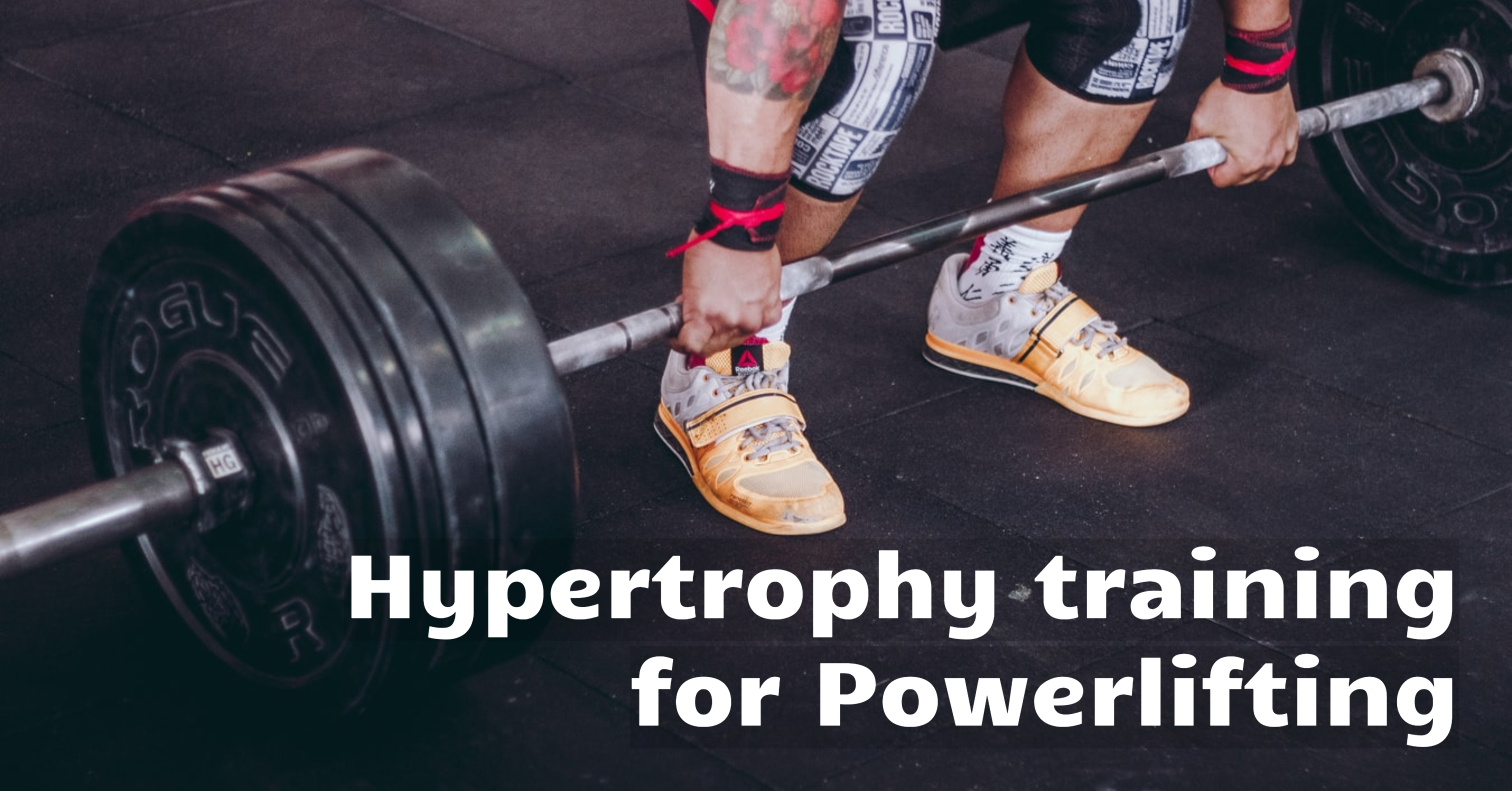
 Ok so before we begin, we may need to clear up what this article is even about. I admit it's a relatively niche genre for most readers, and you may be thinking that this information isn't necessary for you, but you should continue to read if you'd like to increase your strength along with your muscle size.
First of all let's explain this word Hypertrophy...
Hypertrophy means: “The enlargement of an organ or tissue from the increase in size of its cells.” Muscle hypertrophy is a term for the growth and increase of the size of muscle cells. The most common type of muscular hypertrophy occurs as a result of physical exercise such as weightlifting, and the term is often associated with weight training. So you may be thinking, what is the difference between weight training and Powerlifting?
First let's define Powerlifting,
“Powerlifting is a strength sport and weight training exercise that consists of three attempts at maximal weight on three lifts: squat, bench press, and deadlift. As in the sport of Olympic weightlifting, it involves the athlete attempting a maximal weight single lift of a barbell loaded with weight plates.”
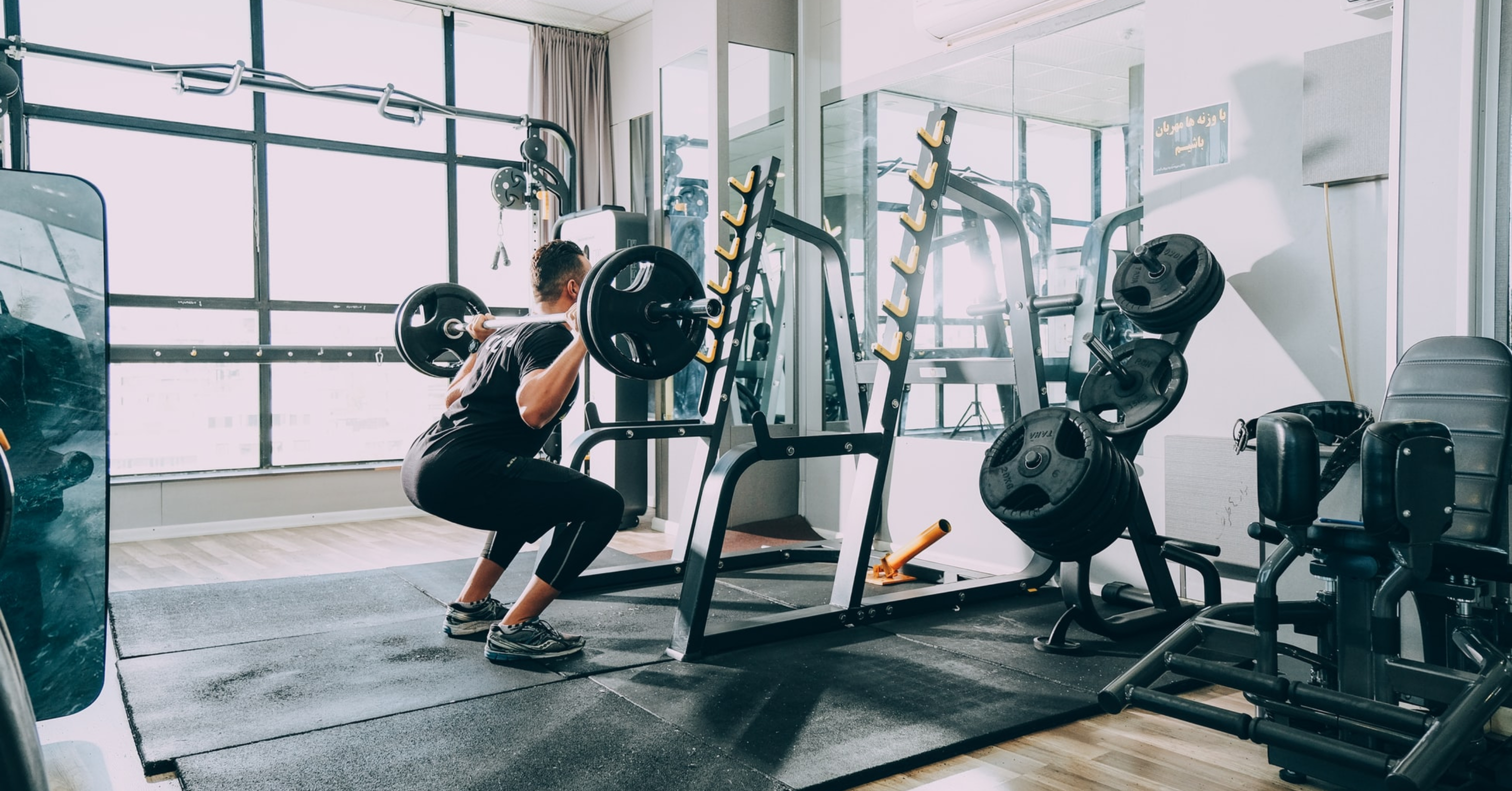 Now let's look at Weight Training,
“Weight training is a common type of strength training for developing the strength and size of skeletal muscles. It utilizes the force of gravity in the form of weighted bars, dumbbells or weight stacks in order to oppose the force generated by muscle through concentric or eccentric contraction. Weight training uses a variety of specialized equipment to target specific muscle groups and types of movement.”
Now that we understand the separation between the two terms, let's get into the connection between the two. Weight training is used by all strength Athletes for various sports, but Hypertrophy focused training is used mainly by bodybuilders whose sole focus is the increase the size and appearance of the muscle. However, Muscle size is an important factor for strength. There’s a LOT that contributes to strength beyond pure muscle mass, but today we're focusing on muscle size. Larger muscle fibers generally produce more force than smaller muscle fibers, which shouldn’t be much of a surprise. So increasing muscle size can in turn help you to increase your strength. However there is one downside. If your sport has weight classes, you would notice an increase in body weight with the increased muscle size, which could be an issue.
So, for your Bench. What you need to look at is isolation for individual muscles involved in the movement. Of Course your pectorals, but also the anterior deltoids and the triceps. Isolation movements with a greater time under tension and more volume will be more effective in building muscle than standard powerlifting training. I recommend incorporating cable flys, front & lateral raises and Cable tricep pushdowns into your routine.
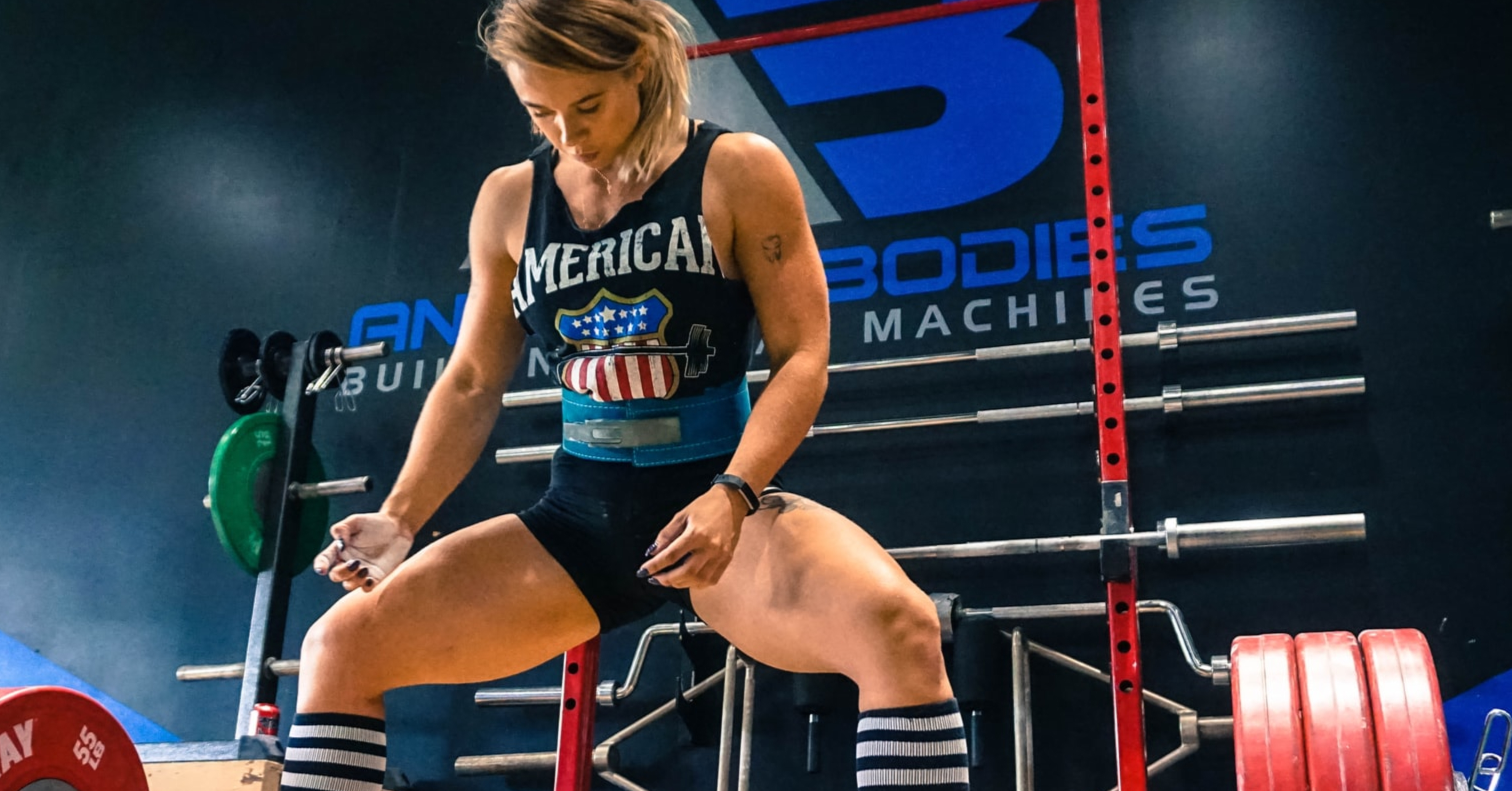 For Squats, we need to build the quads and glutes, while maintaining lower back strength and core stability. You should think about working leg press, lunges and hip thrusts into your routine to increase muscle density here.
Lastly we have the Deadlift. Most people think this is entirely the erector spinae (The muscles at the lower half of your back,) but this is not true. A good deadlift will use the entire back for stability, as well as the legs for drive. So you should include the above mentioned leg exercises, as well as lat pulldowns and seated rows to increase the strength in your back.
Thank you for reading, and I hope this article helps you to increase your Powerlifting strength by incorporating muscle growth into your training routine.
Toby Hone
BSc (hons) Sport and Exercise Science