



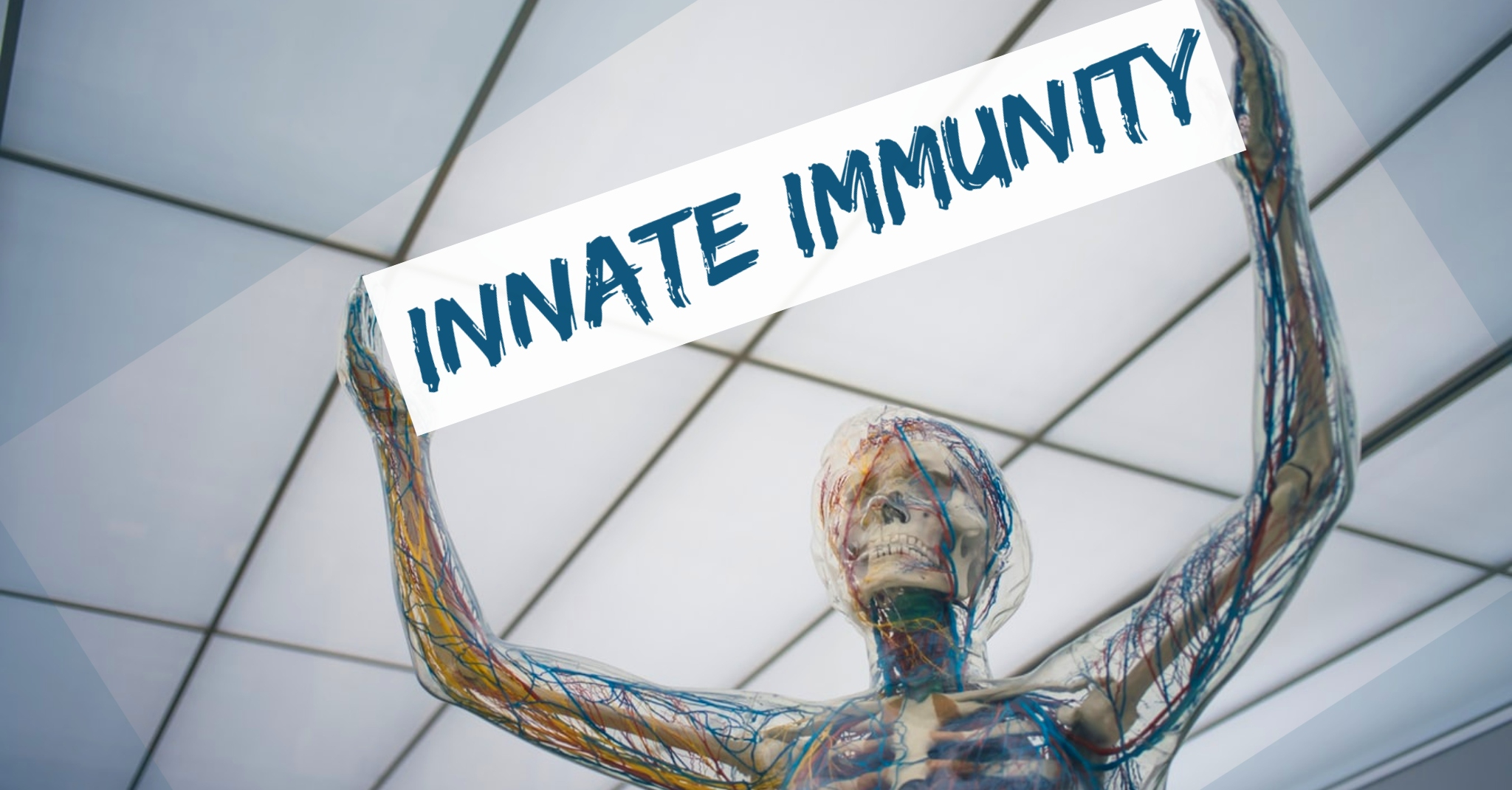
 Welcome to article 2! I hope that my COVID summary has helped arm you with facts and alleviate some of that anxiety. I’ll now move on to the immune system itself and how it works to protect us. When the body is exposed to a bacterium, virus, or other microorganism that can cause a disease (termed a pathogen), an immune response is initiated. This can be further split into the innate and the adaptive responses. Before we go onto this, I just want to explain two terms for clarity. An antigen is a foreign body or part of a foreign body that will stimulate the immune system (i.e. a virus or a part of a virus). An antibody is what the body produces in response to this to allow detection of the antigen and therefore destruction of the foreign body. They fit together like a lock and key. Okay, here goes, bear with me.
 The innate (aka non-specific) immune response is the body’s first line defence. It is fast and broadly effective.
Dr Stephanie HillIt aims to immediately prevent the spread of the pathogen throughout the body. It starts with physical barriers such as the skin, eyelashes and other body hair, and mucosal linings within the respiratory and gastrointestinal tracts stopping entry full stop.
It also involves components that are activated by exposure to the pathogens including a number of dedicated defence cells from the white blood cell group, and the complement cascade. This is for if those initial barriers are broken. For example, if bacteria enter through a small cut, they will be detected and destroyed within a few hours. A quick explanation of the complement cascade for context coming up.. (my inner medical student is cringing at that after I spent HOURS revising this complex system!). It is a chain reaction of nine enzymes in a cascade i.e. one enzyme activates a number of the next enzymes and so on. It is activated in a number of ways (I won’t go into it but there is a classical, a lectin and an alternate pathway) but always ends in labelling pathogens for detection by defence cells (see below), attracting other immune cells, dissolving the walls of bacteria thus killing them and either destroying viral envelopes (the walls holding them together), or cells infected by viruses. Handy hey!? The defence cells are termed phagocytes. They are the Pac-Man of the body. Pac-Man bodyguards shall we say. There are macrophages within the tissues and neutrophils within the blood and tissue. They engulf the pathogens and digest them (NOM!). This is most effective if the pathogens have been previously marked with proteins of the complement system (as previously explained) or antibodies. These antibodies will only be present if the adaptive immune system (to be explained) has previously met the pathogen and created them. By engulfing the pathogens, the defence cells provide material for the adaptive immune system to do its job by moving a small part of the pathogen to their surface on a membrane protein (termed Major Histocompatibility Complex (MHC) I or II but that’s a bit fancy).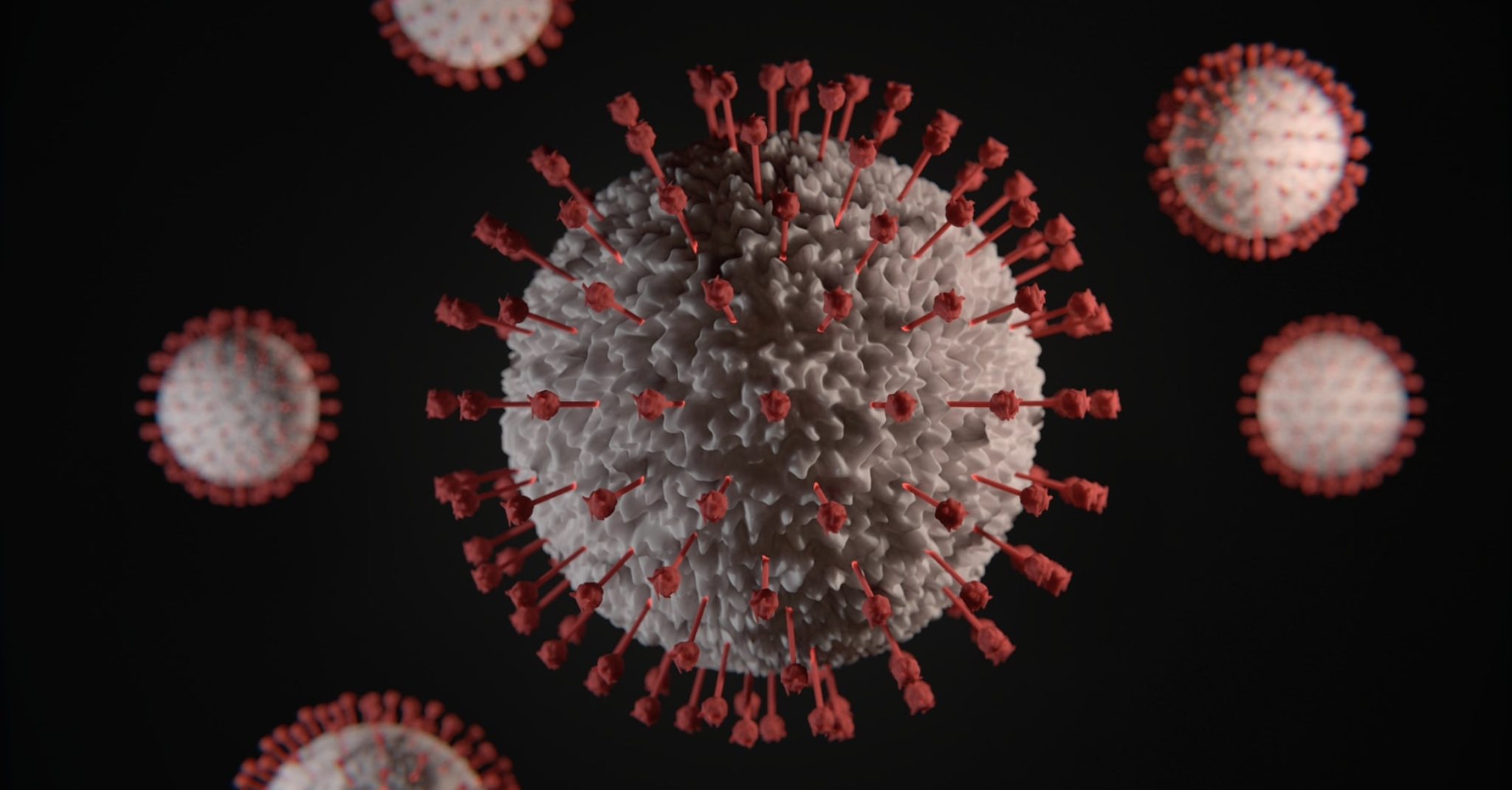 This makes them “Antigen Presenting Cells (APCs)” and we will discuss their role in the adaptive immune system later on. Natural killer (NK) cells are the last important piece of the innate immune system. Cool name, I know. These guys detect changes in cell surfaces to identify those that are infected or are becoming tumorous. If detected, game over. The NK cells dissolve them with cytotoxins (cell poisons). So that’s the quick, non-specific, one size fits all attack. If you have any questions on COVID-19 and/or our immune system, send them over to me on my instagram @drsteph_scrubsvsshreds and I will do my very best.
BSc, MBBS