



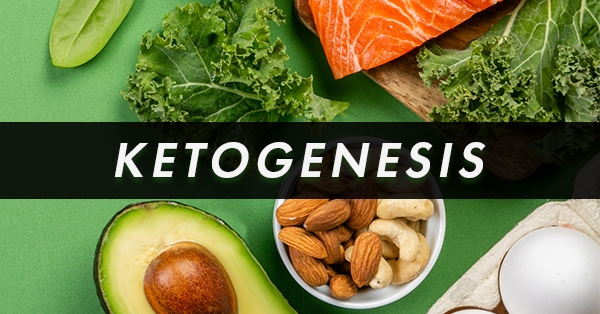
 Within the last two years, there has been an explosion in the popularity of ketogenic diets. Social media platforms often contain posts about low carbohydrate recipes and people demonstrating their body transformations as a result of their new dietary habits. But what is a ketogenic diet? How does it work? And could it benefit me?
So what is a ketogenic diet? Well, it refers to meals which are low in carbohydrate and higher in fats and/or protein. Advocates of ketogenic diets consume meals which are low in carbohydrates throughout the week and prepare carbohydrate rich meals following intense exercise sessions. This consumption of carbohydrate helps to refuel the body and repair damaged muscle tissue following a hard workout.
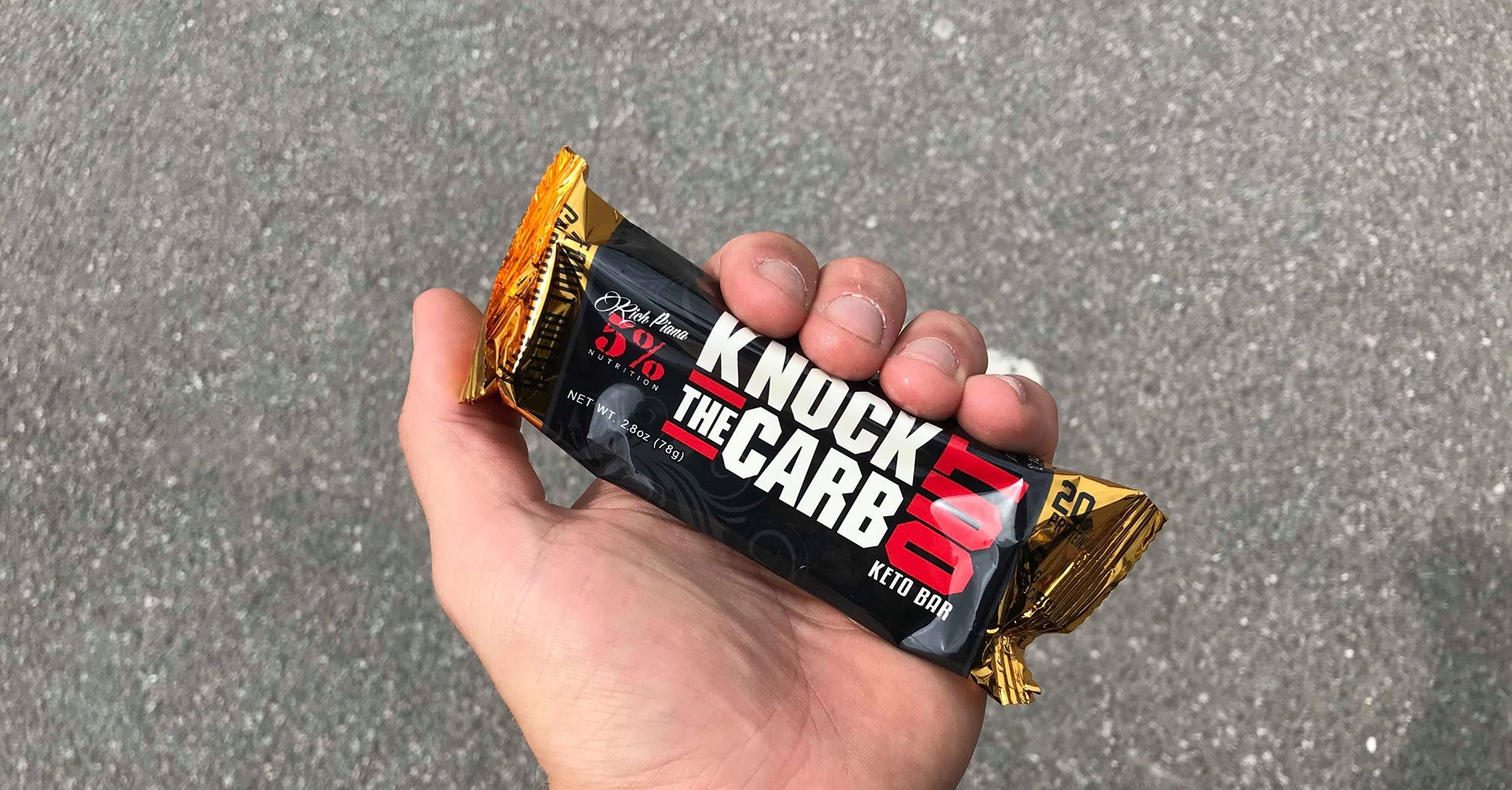 When you consume carbohydrates, this energy is available very quickly and this is what is typically used by the body for energy. Meaning that fat stores in the body are not used as frequently for energy. Reducing the amount of carbohydrates you consume places your body into a state of ketogenesis. Basically, this means that your body switches to using fat for energy. Fat is the most energy rich nutrient available but it is not as readily available, therefore, a ketogenic diet helps to make the body more efficient at breaking fat down. Reducing the volume of carbohydrates in your diet forces your body to draw upon your fat stores for energy instead. This helps to reduce body fat composition.
If your goal is to tone up and reduce your body fat percentage, a ketogenic diet could be useful to help you torch fat tissue in the body. However, it is important to remember that in order to lose weight, you must achieve a calorie deficit. Therefore, if your goal is to also lose weight, you need to eat less calories than you use for energy. To help achieve this, ensuring your ketogenic meals are high in protein could be beneficial. Recent nutritional research has shown that eating meals with a higher protein content help to keep you feeling fuller for longer. Ultimately, reducing further snacking and overall calorie intake. For example, eating a 500 calorie meals high in protein as opposed to a 500 calorie meal high in carbohydrate would help to prevent snacking later in the day. Therefore, following a ketogenic diet which is higher in protein could help to reduce body fat and also help with weight loss.
 However, there are some individuals who a ketogenic diet may not be suitable for. If your body fat composition is already low, putting your body into ketogenesis could result in muscle deterioration. This is because your body has no fat stores to breakdown for energy, meaning that the body would turn to muscle tissue for energy instead. In addition to this, if you are highly active and attend the gym more than four days a week, it is important to consume a carbohydrate rich meal following a workout to ensure the body has energy to help muscles to recover. Similarly, if you are heading into a competition, it is important to consume carbohydrates prior to the event to ensure that your body will have energy stores available which can be broken down and accessed quickly.
In conclusion, ketogenic diets can be useful to help reduce your body fat percentage as it forces the body into using fat for energy. However, remember to keep the protein content high and an overall calorie deficit if you are looking to lose weight too. And, if your body fat percentage is already low, a ketogenic diet may not be suitable for you as it could result in muscle deterioration.
Toby Hone
BSc (hons) Sport and Exercise Science