



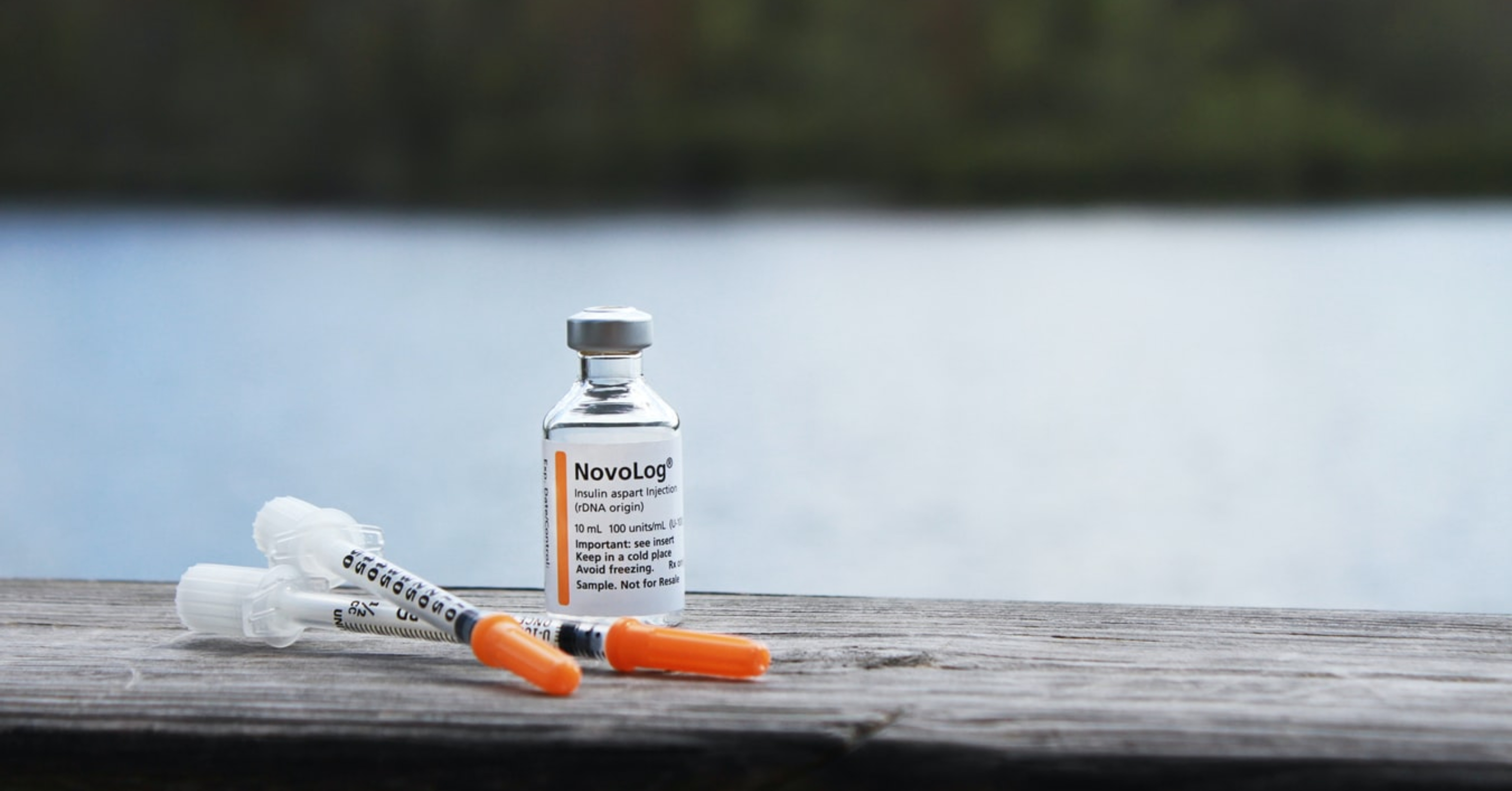
 Insulin is a signaling protein, produced by beta cells in the pancreas, that acts as a key to open the door and allow fat and muscle cells to let glucose in. This enables utilisation of amino acids and glucose and therefore protein synthesis and muscle growth. In order to maximise your potential to gain muscle without gaining a load of fat, and then to lose the fat and not the muscle, you want to keep your insulin sensitivity on point.
This is an especially important tool for natural athletes who will find these two processes that bit harder. So how can we do this? Let’s separate it into the “dos” and don’ts”. DON’T stack on the fat in a quick dirty bulk. Increased body fat = more fat cells = more insulin = desensitisation. Flood any of the body’s receptors and they get upset and start to down regulate. Furthermore, stacking on fat, which will inevitably migrate to certain areas, not only has negative health implications, but also makes dieting down again a hell of a lot harder. Past a certain point, your body will find it much less metabolically expensive to store fat as opposed to building muscle. Eventually, this leads to intramuscular triglyceride storage (fat in your muscles), which gives you that softer look to your muscles and can also inhibit protein synthesis within the muscle. DO exercise. Durrrr.
 It’s well known that exercise increases insulin sensitivity but we’re doing that already right? Well, are you doing cardiovascular exercise? Short bursts (30mins) of higher intensity cardio alongside your resistance training is optimal. Increased muscle mass provides more receptors for the insulin and thus desensitisation is slower, but I’m sure you’re aiming for more muscle anyway! DO time your meals sensibly. There’s a reason bodybuilders opt for 6 smaller meals instead of 3 larger ones. An equal spread of smaller meals will improve insulin sensitivity, as the spikes in blood sugar are less dramatic. Within these meals, adding foods thought to aid in insulin sensitivity can help you to facilitate the absorption and utilisation of carbohydrates that we know we need but also know will increase blood glucose levels, thus leading to decreased insulin sensitivity over time.
Vinegar (so foods like sauerkraut), nuts (especially walnuts and almonds) and cinnamon (3-6g) can be helpful. Cinnamon not only adds yum, but also can increase gastric emptying, lower blood glucose post meal, and reduce fasting insulin, all useful for insulin sensitivity. DO take and time your antioxidants correctly. Long-term supplementation has been shown to increase sensitivity. ALA (Alpha-Lipoic Acid) is an antioxidant found in spinach, broccoli and tomatoes but you will need to supplement 50-100mg/day for effect. These tend to come in 50:50 R and S isomers (mirror images of the same molecule). Look for the R+ form, as this is the biologically active isomer. Vitamin C and E are the other well-known antioxidants. However, time these correctly. During exercise, it’s actually the increase in ROS (reactive oxygen species) that is thought to aid in insulin sensitivity so taking antioxidants immediately post workout is counterintuitive.
 In the morning, at least an hour before training is ideal. DO supplement with magnesium, it’s shown to work in terms of increasing insulin sensitivity and glucose tolerance. Why not incorporate it into your bedtime routine in the form of Calcium-Magnesium and improve that all-important shut-eye too? DO supplement with Omega-3 (fish oils). Reducing your intake of Omega-6 (vegetable oils) and saturated fats leads to a fat balance conducive to insulin sensitivity by strengthening the outside lipid layer of cells.
You may notice insulin sensitivity reducing by a reduction in the muscle pumps you get, and developing that softer look as mentioned before. In summary: slow, steady, and sensible fat gain. Choose and time your nutrients smartly.
Dr Stephanie Hill BSc MBBS