



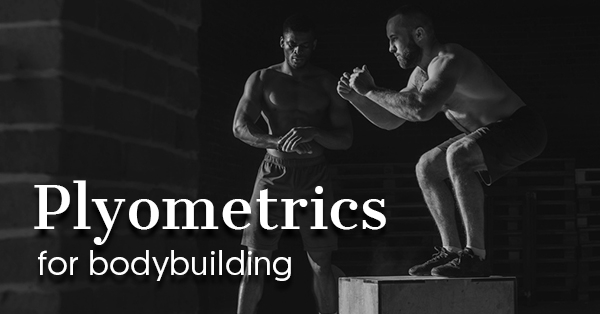
 You will have definitely heard of jumping and you will certainly have heard of hopping. But you may not have heard of plyometrics. Well, very simply, plyometric training combines jumping, hopping and leaping movements with the goal of improving explosive power. Typically, it is a training method used by martial artists, track and field athletes and gymnasts to improve their power and a result, their competitive performance. But plyometric training could also be of significant benefit for body builders and could be a training method to include in your training cycle. Read on to find out why.
First of all, plyometric training engages a huge range of different large muscle groups simultaneously with each individual exercise. As it requires huge gross motor movements from many huge muscle groups, it results in high energy expenditure which means that your body burns more calories. In addition to this, it builds lean muscle tissue all over the body which assists in lowering our body fat composition. Therefore, plyometric training could be the perfect training strategy when it comes to the cutting phase when you are aiming to get as lean as possible. It is certainly more interesting than hitting the treadmill or bike.
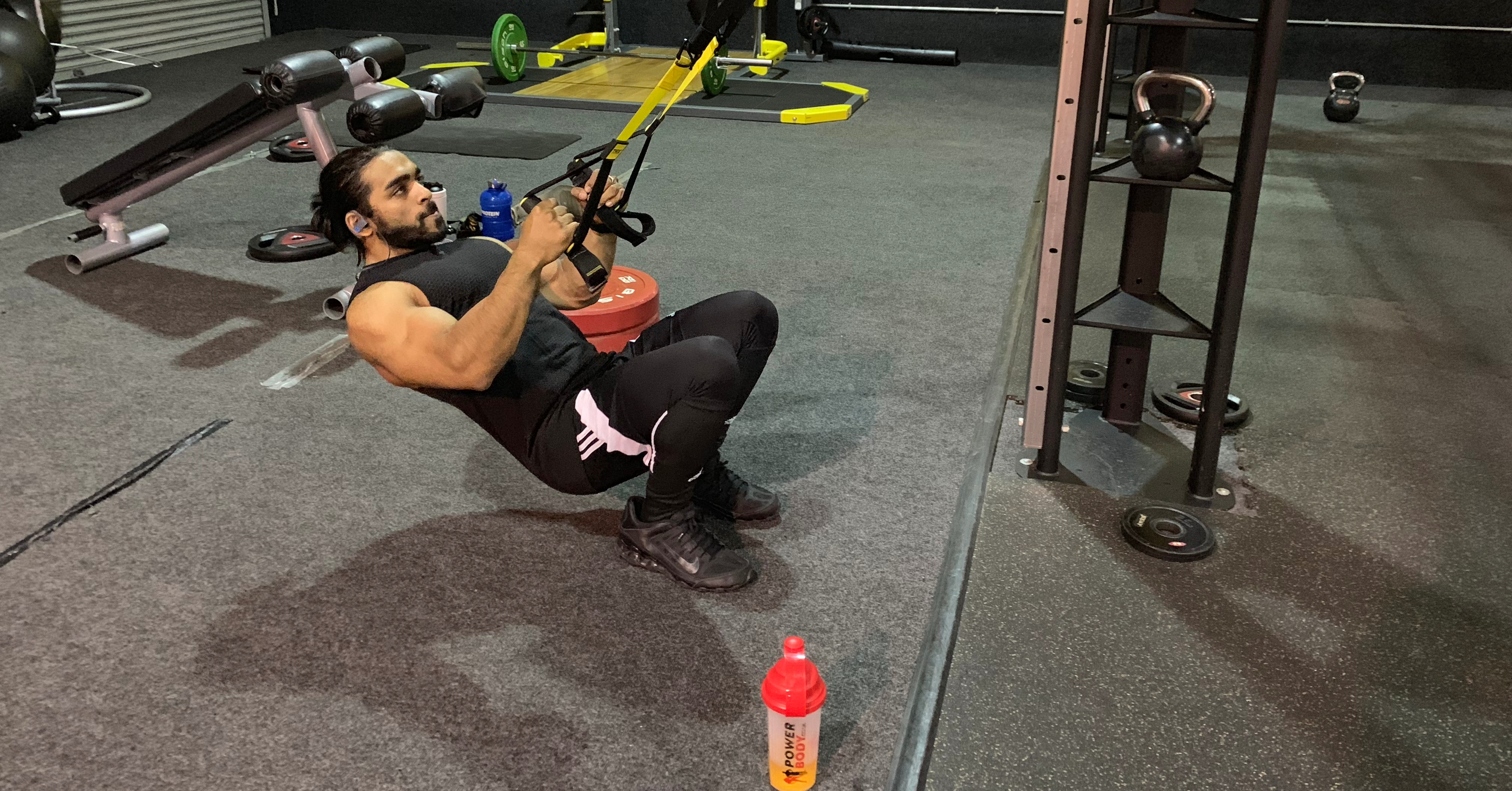 Not only could plyometric training help you get lean, it could also enable you to lift more. Sounds perfect! But how does it work? Plyometric training involves eccentric muscular contraction and studies have found that eccentric muscle contraction is critical for promoting muscle growth. Logically, this increased muscle growth and power could then allow you to lift heavier weights within your more traditional bodybuilding program. To give an example, research has shown that triple jumpers weighing around 170lbs (77kg) can squat between 400-500lbs (181 – 226kg) demonstrating amazing strength for their size. How many people can (honestly) say they squat nearly three times their bodyweight?
So, including plyometric training is definitely worth considering, but what sort of exercises and movements should you perform? Well, as with any exercise, it is important to start with the basic exercises before incorporating advanced movements. If you are new to plyos, then try the following routine twice a week:
-
Box jumps (10 reps)
-
Broad jumps (10 reps)
-
Burpees (10 reps)
-
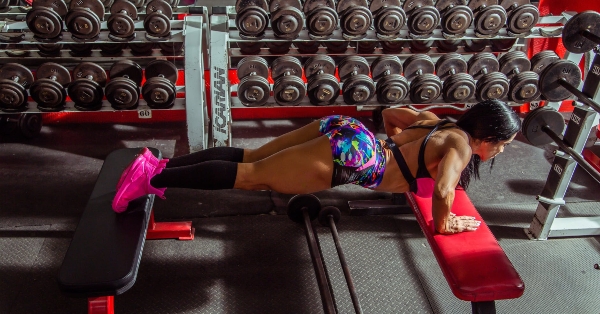
Plyo push ups (10 reps, trying to clap between each press up)
-
Tuck jumps (10 reps)
Repeat this circuit two to three times (as your fitness improves) as quickly as possible for time.
 As with any exercise, there is a risk of injury when plyometric training. Therefore, it is important to start slowly and stay within your capabilities. Remember to warm up and listen to your body; adjusting your training in response to any niggles. Training twice per week is more than enough to start seeing improvements in your power.
Finally, there has been evidence to suggest that using a BCAA supplement prior to plyometric training could help to reduce delayed onset muscle soreness (DOMS), allowing you to train sooner following a tough session. Ultimately, this will allow you to make more rapid progress compared to training without BCAAs as you will regain full muscle power and function much faster for your next session.
In conclusion, incorporating plyometric work into your routine twice per week could help to increase power, muscle mass and overall personal lifting records. It could also help to reduce your body fat percentage dramatically during the cutting stage; helping you to achieve a lean physique ready for competition or that beach holiday you have planned. Finally, remember to take a BCAA supplement prior to your session to reduce DOMS and help you get back to training sooner after a tough session.
Toby Hone
BSc (hons) Sport and Exercise Science