



There has long been great concern about vegans diets, as to whether they provide all of the essential nutrients needed, given the lack of all of the animal products that many of us consume regularly to fulfil these needs. Many claim that a vegan diet can totally fulfil the dietary needs of the human body through various plants, nuts, seeds and other nutritional sources. Some even claim that supplements are not necessary to a vegan diet. Despite having great intentions, this can often do harm to the human body, as it is very difficult to satisfy the intrinsic demands of the human body through a vegan diet without supplementation.
Here, I will break down some of the supplements which will be fantastic aids in supporting a vegan diet, to ensure fantastic health.
Let's address the elephant in the room... Protein. Many people believe that Vegans do not acquire enough protein in their diets. This is a very common misconception, is merely requires a modification to a traditional omnivorous diet. There are plenty of Protein sources available to Vegans, such as nuts, Quinoa, Rice, Soy, Beans and many more. If you're a Vegan, and you're unable to reach your protein requirements, you could certainly supplement with one of the many vegan-friendly proteins available, such as soy, pea or rice protein.
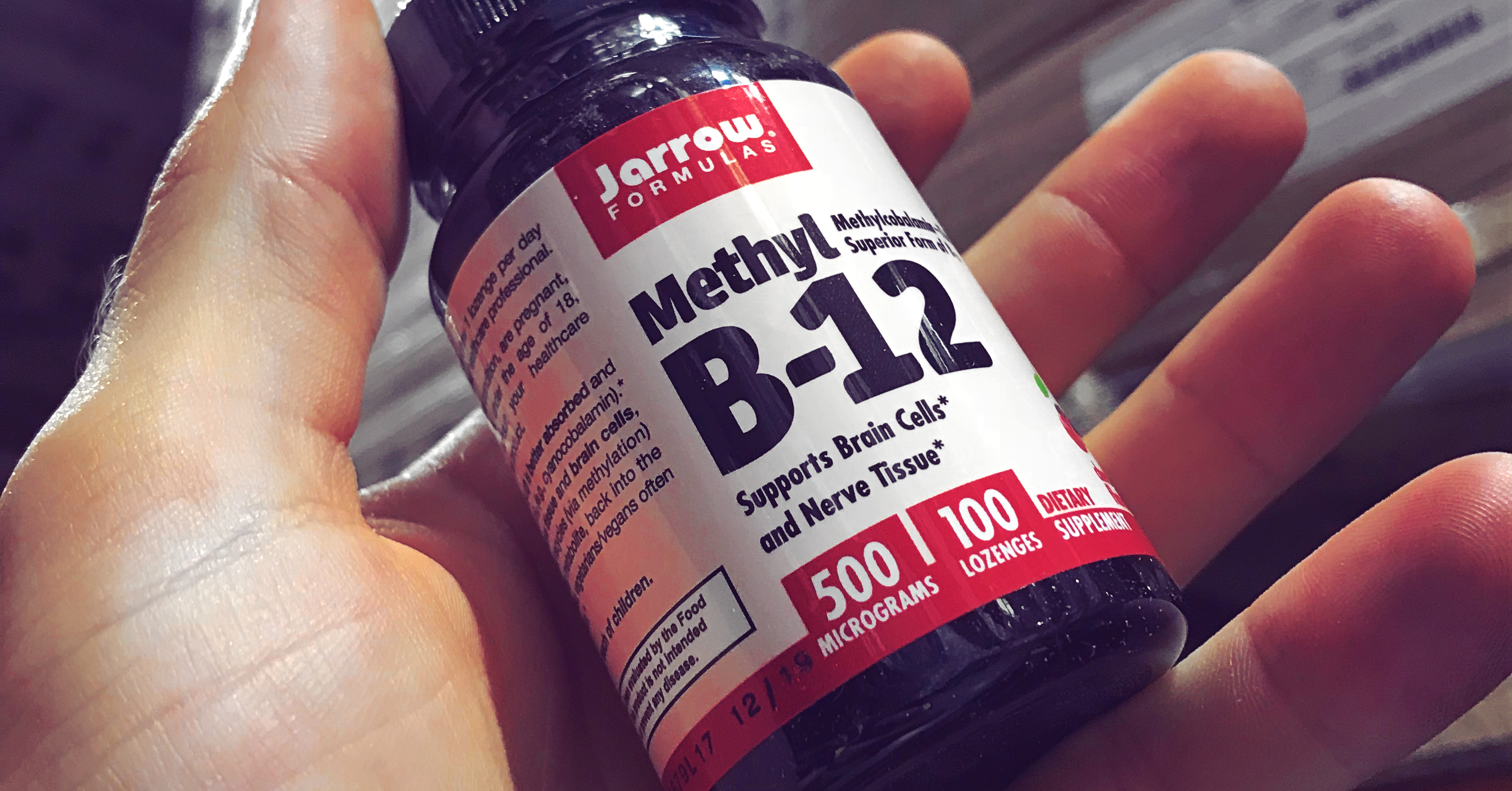
 Let's talk about Vitamin B12. Numerous studies claim that, although anyone can be low in Vitamin B12, vegetarians and vegans are much more prone to deficiency. This seems even more so for those who are not taking the appropriate supplementation. Shortage of vitamin B12 can cause anaemia and damage to the nervous system, among many other health conditions. It is fundamentally important for lots of processes in the body, including metabolism of protein, and the creation of red blood cells. The best way for vegans to reach the recommended daily intake of B12 is by taking vitamin B12 supplements.
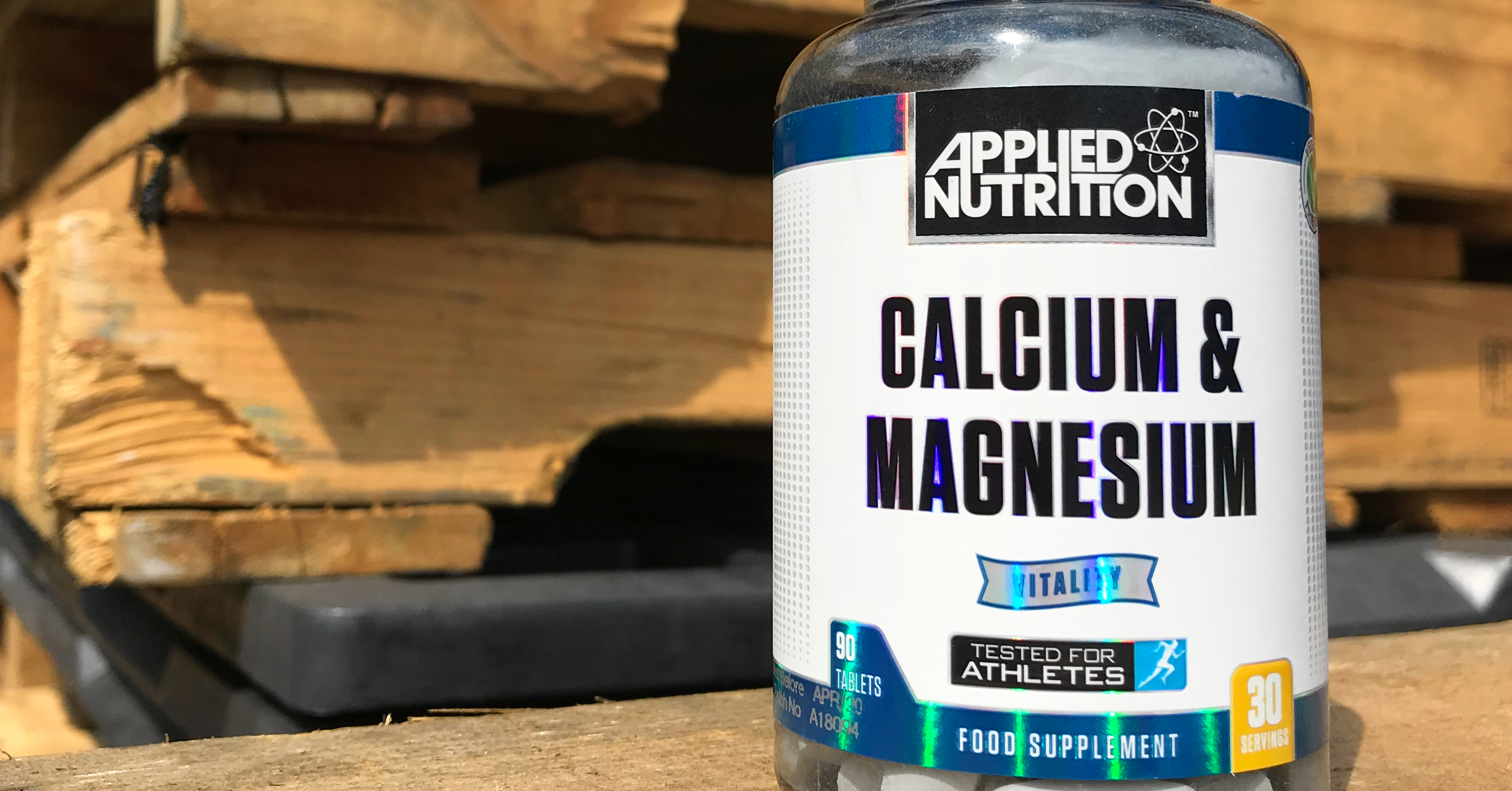
Further, Calcium is one of the nutrients at risk of deficiency to Vegans. Calcium is vital for the health of bones and teeth, as well as heart health and muscle function. Vegans can access Calcium in their diet through some plants such as Kale and Broccoli, however without dairy products and meat it can be difficult to meet demands. If you struggle to obtain enough calcium, be sure to source it from a supplement.
Omega 3 is next on our list, the fatty-acid needed for function of the brain, eyes and more! Research supports the claim that Vegans and Vegetarians often have up to 50% lower blood and tissue concentrations of essential eicosapentaenoic acid and docosahexaenoic acid. To reach the desired daily intake, vegans can take oil supplements, such as algae oil.
Vegans should consider the usage of Iodine, which is essential for thyroid function and metabolism, failure to meet recommended daily intake can result in hypothyroidism, issues during pregnancy, fatigue, depression, weight gain and much more! Studies have shown that Vegans regularly have up to 50% lower blood iodine levels than vegetarians! If vegans are not able to meet their RDA's with seaweed or iodized salt, they should certainly supplement their iodine.
 Next we have Iron, which is used for the creation of new DNA and red blood cells. Iron is essential for the body's ability to carry oxygen to major organs, as well as metabolism. A common issue with iron deficiency is anaemia, as well as fatigue and a weak immune system. Taking too much Iron can also be dangerous, by damaging cells or blocking the absorption of other essential minerals. Be sure to check your recommended daily intake. Vegans who are unable to get enough iron from a balanced diet should consider iron supplements, providing they are careful not to overdose.
Next, we have Vitamin D. Vitamin D helps the body to absorb calcium & phosphorus, as well as aiding in the function of the immune system, managing your mood, memory and muscle recovery. Very few foods naturally contain vitamin D, and so it can be very difficult to obtain requirements merely through diet. For this reason, it is a regular occurrence for both vegans and meat-eaters to both suffer from vitamin D deficiency. Vegans who are not able to regulate blood levels through nutritionally rich foods sunlight should certainly look into supplementation.
Finally we have Zinc which is necessary for healthy metabolism, cell regeneration and function of the immune system. Zinc deficiency can result in alopecia, diarrhoea and more. Zinc is difficult to obtain from a plant-based diet, and so it is important for Vegans to monitor their Zinc intake, and be sure to consume food rich in zinc, such as whole grains, nuts and seeds.
All in all it seems clear, that a well managed vegan diet can fulfil most nutritional needs for all. However there are certain requirements which are difficult and sometimes improbably to meet, without the help of nutritional supplements. Vegans should take a close look at their diet, and supplement appropriates depending upon their needs.
Toby Hone
BSc (hons) Sport and Exercise Science