



 Progressive overload is one of the most important factors in getting bigger, stronger and fitter when it comes to training. If you haven’t heard of it before, don’t worry, there is a good chance that you are already doing it.
Progressive overload is defined as ‘the gradual increase of stress placed upon the body during exercise training’. In layman’s terms, it's aiming to be stronger, faster or fitter each time you train.
But why is this important?
You may or may not know that your body is an incredibly intelligent machine. It also only really wants one thing: homeostasis. This is the steady state of internal, physical and chemical conditions of the body. Again, in layman’s terms, the body wants to remain constant and doesn’t like change. So, in terms of you wanting to build muscle, lose fat, get faster, look better, feel better and all those other fitness goals, your body doesn’t care for it.
Your body will not change unless you force it to. That means all those times you are performing the same workout twice, your body is loving it. You haven’t provided any evidence that it needs to change. If there is no new stimulus, don’t expect to see any changes. I can’t stress this enough.
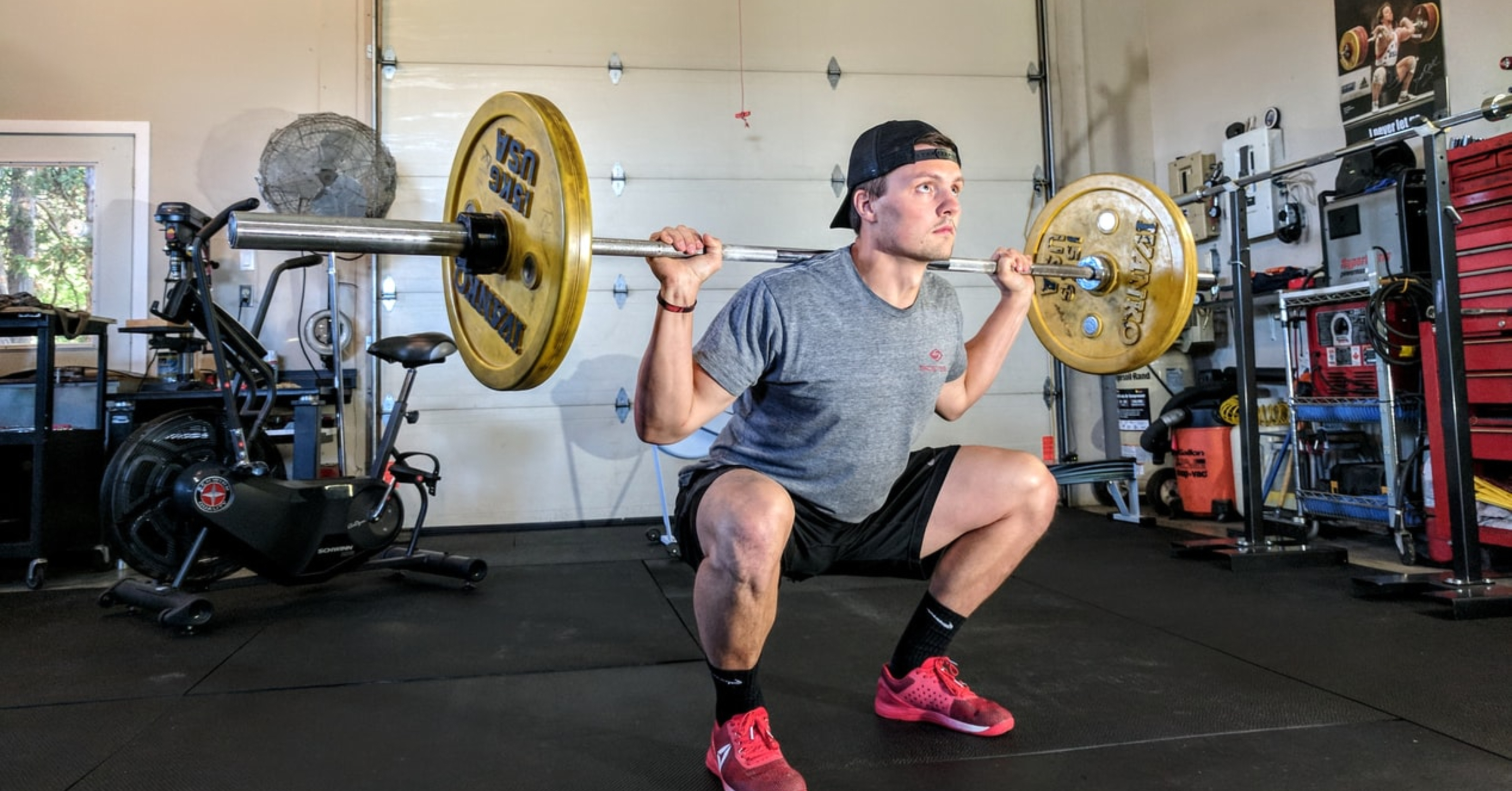 In theory, progressive overload is easy; do more than last time. However, it’s not always that simple. Here are some simple rules of progressive overload.
-
Progressive overload usually comes in the form of more reps, volume, weight, time, density, frequency and form. Form is the most overlooked aspect when talking about progressive overload. Without perfect form, your extra reps or weight used isn’t viable. Form being prioritized over weight is something that you should have been applying to your training anyway.
-
Don’t expect your progressive overload to be linear. There may be times when your training is going so well that if you were to plot your lifts on a graph, it would show constant improvement at an impressive rate. In reality, it's incredibly hard to continuously progress on all lifts, all the time. You may find some lifts easy to progress on week after week and others despite all your efforts, won't budge. The same goes for your cardiovascular fitness, sometimes you’re running on clouds, other times it feels like glue. The important thing is that you make progress over a prolonged period of time.
-
You will struggle more when in a calorie deficit. The body needs energy to recover and get stronger. The simple fact is that when you are in a deficit, your body doesn’t have the number of nutrients needed to recover fully and, as fast. This can result in workouts being sluggish and progressive overload won't always be achievable.
-
 The longer you have been training, the harder it is to achieve progressive overload. You may remember when you were a beginner that strength gains came thick and fast, maybe you are experiencing it now. While this is great, it doesn’t last forever. The longer you train for, the more you will have to pay attention to training stresses, rotating your lifts and implementing different recovery techniques.
Progressive overload is the king of all variables for progressing with your fitness goals. Make it the bread and butter of your training programme to ensure you are always moving forwards.