



 To say these are stressful times is an understatement. I have been asked more times than I care to count if I can recommend supplements to “boost your immune system” to help avoid and fend off the virus. As a medical professional, it would be irresponsible for me to do such a thing when evidence really is weak. The important things here have nothing to do with “boosting your immune system”, but rather just following the simple rules. Hands, face, space. However, what I can talk about minimising stress. This is important for a multitude of reasons right now.
When our body perceives stress, physical or psychological, it defends itself by releasing cortisol from the adrenal glands.
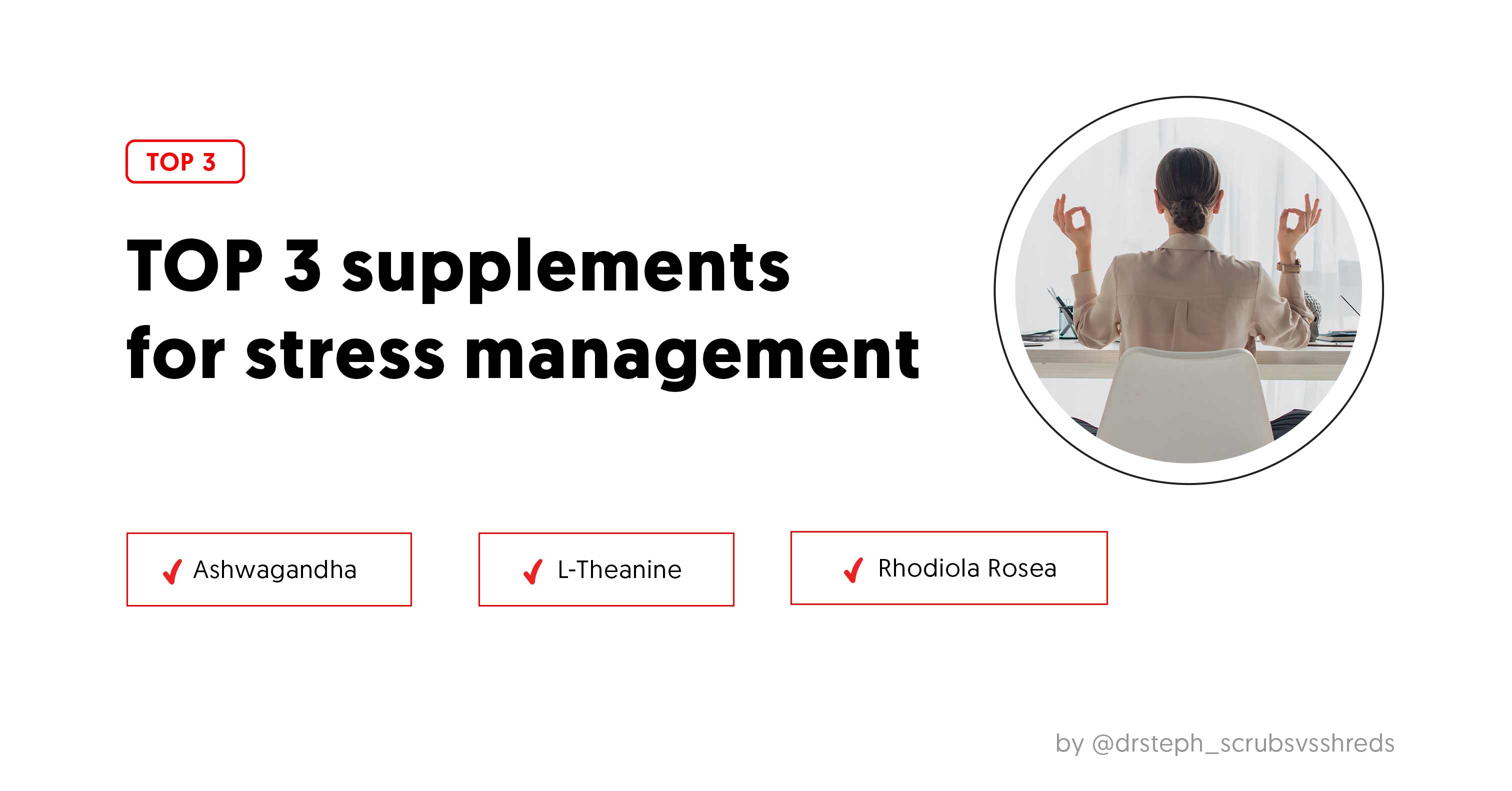
Cortisol is the stress hormone and stimulates the “fight or flight” response. It is an evolutionary advantage to get you out of trouble. It can be motivational for some, and crippling for others. Chronically raised cortisol levels can be harmful. It can contribute to diseases such as high blood pressure and osteoporosis; it can hinder sleep, weaken the immune system, and impair brain function giving that “brain fog”. Aesthetically and performance wise in athletes it can have a huge negative impact due to water retention. No thanks. So what can we do about it? There are plenty of things we can do before supplements come into play such as optimising sleep hygiene, improving our diets, exercise, meditation and mindfulness, and curbing damaging habits such as excess alcohol and smoking. Nevertheless, I personally find that even with all of these things in place as best I can (we’re all human and it’s not likely we will tick all of those boxes), some supplements really do make a difference. I’m going to talk about my top three for stress management that I personally feel benefit with. Some of these have multiple advantages, but I shall focus on the stress busting.
1. Ashwagandha
Ashwagandha (Withania somniferia) is an ayurvedic herb that has been used as a traditional medicine in India supposedly for around 6000 years. It is termed an ‘adaptogen’ which means it will increase effect when activity is reduced, and also block excess stimulation if activity is too high. It has been noted by many studies to significantly reduce morning cortisol in chronically-stressed adults, with average reductions as high as 30%. Ashwagandha’s ability to reduce cortisol is not just chemical but it has also been well-documented to improve subjective wellbeing markers such as reductions in stress, anxiety and depression in humans.
Its most well researched phytochemicals are its alkaloids and lactones, known as withanolides. It is very important to look for a product that contains a standardised extract of ashwagandha as these will be more effective that the crude root or leaf powder. The active components of through which ashwagandha confers its benefits are these withanolides, so you want to ensure the supplement you are purchasing is standardised to contain these. A good supplement will clearly state on the label whether or not it is standardised.
A suggested dose is 500-660mg per day. Pregnant and breastfeeding women should not take ashwagandha and individuals with autoimmune disorders such as Hashimoto’s thyroiditis, type 1 diabetes or rheumatoid arthritis should consult with their physician before using.
2. L-Theanine
This is probably one of my favorite supplements and one that I WILL NOT be without it pre night shifts! L-Theanine is an amino acid found in tealeaves. It works in a number of ways to lower stress and facilitate relaxation. It increases levels of mood regulating neurotransmitters such as GABA, serotonin and dopamine, as well as lowering levels of excitatory chemicals. It is non-sedating and in fact, a great way to use L-Theanine is in combination with caffeine as it mellows out the “jitteriness” whilst augmenting the focus.
Suggested doses are 100-400mg. Pregnant and breastfeeding women, and individuals with low blood pressure should consult their physician prior to taking.
3. Rhodiola Rosea
Another adaptogen, Rhodiola’s is a plant from Siberia that thrives in dry, cold, artic climates. Its most potent components are rosavin and salidroside and it works to increase the body’s resistance to stress. Research suggests it may help balance neurotransmitters and module the stress response. Studies have shown that when individuals already under stress use Rhodiola helped to reduce stress-related fatigue and improve cognitive function. The recommended dosage is 100-300mg daily.
As usual with supplements, research is limited, however, I use these three consistently and have felt a great response. You can find the high quality Ashwaghanda, L-Theanine and Rhodiola that I use in the Now Foods range.
There are a lot of things we can’t control right now and things we can to reduce stress and stay healthy physically and mentally are much welcomed I’m sure! As always, hit me up on social media drsteph_scrubsvshreds with any questions!
Important: Although I am a Doctor, none of this is advice is prescriptive and if you have any concerns, or underlying health conditions, please consider consulting a healthcare professional who knows your history before supplementing.