



 This is probably one of the most overlooked aspects in terms of making progress not only in the gym, but also for general health.
I'm going to dive right in and ask you to be honest with yourself before reading this article. How much sleep do you really get? Is it enough and can it be improved? Also ask yourself if you feel like you are performing to the best of your ability not only inside the gym, but in your career as well.
Let’s get the symptoms of lack of sleep out the way. If you have been struggling with any of the following and not been able to pinpoint the reason as to why, keep in mind your sleeping schedule. Some of the main symptoms of lack of sleep are;
-
Tiredness (obviously)
-
Changes in mood
-
Having a hard time concentrating
-
Impaired cognitive processing
-
Memory problems
-
Anxiety
-
Aches and pains
As well as the above, lack of sleep can lead to some serious implications on your health. These include increased risk of heart disease, diabetes, strokes, heart attacks, heart failure, high blood pressure and an irregular heartbeat.
It is mainly common sense as to how most of these will affect your productivity in the gym and in your regular life. However, if the above isn’t already enough for you to get out of a bad habit of not hitting the sack early enough, then listing all the benefits of getting a good night’s sleep regularly (not just now and then) should change your mind. You’ll notice some of the reasons are a direct opposite of what you get from a lack of sleep.
It will be easier to maintain your figure and improve it. This is because lack of sleep has been shown to dramatically slow down your metabolism, meaning if you continue your regular eating habits, you are much more likely to put on weight.
Your memory improves. When we sleep, the brain actually goes through a process which is important to memory recall. The brain actually recalls the day’s events which is vital for retrieval of information in a woken state.
You will have a stronger immune system. Lack of sleep has been shown to suppress your immune system, meaning you are more likely to get ill. One study found that sleeping less than 7 hours a night increased the risk of catching a cold.
You will live for longer. The idea of this hopefully shouldn’t have to be sold to anyone.
Increased concentration levels. So, if you are still reading this far, I will go as far as to say you have been getting your 7-8 hours in. Or, you want to fix a poor sleep schedule. Both are wins in my opinion.
Lower stress levels and better overall mood. High levels of stress have been found to have a range of negative effects on the body including increased risks of heart attacks and strokes. Good mood and healthy sleep schedules have also been linked.
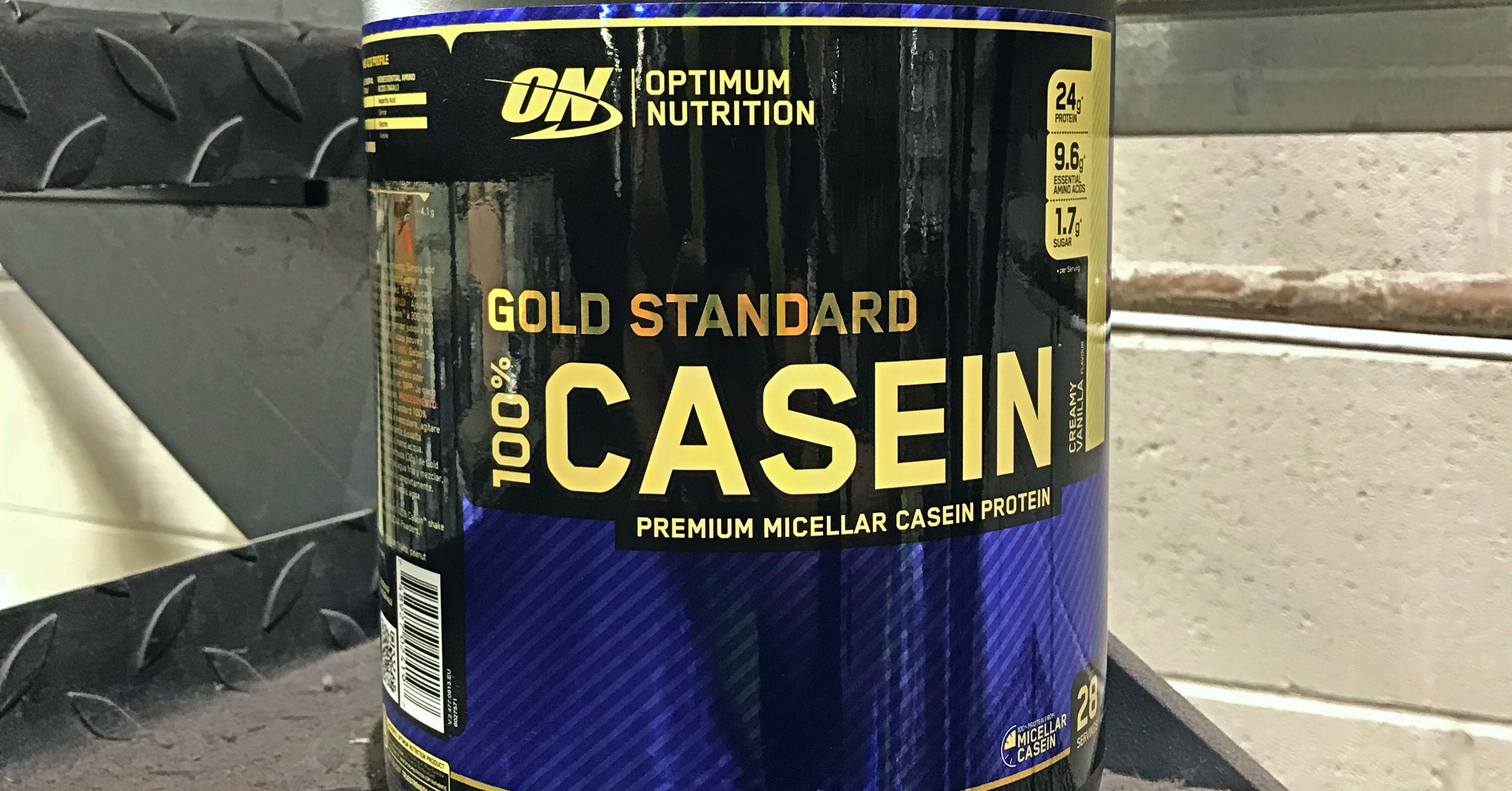 But what about for ‘the gains’ I hear you say. Don’t worry, I have got that covered too. A good night’s sleep is essential for growth and recovery. When you sleep, your body is in a higher anabolic state. This is due to the fact that testosterone and human growth hormone levels are at their highest when asleep. If you didn’t know, these are both huge components in the process of repairing and building tissue, such as muscle. More sleep also equals less stress, as mentioned above. This is very important as when we are stressed, we produce more of the hormone cortisol. Cortisol is the number 1 enemy against muscle. If your cortisol levels are high, you can kiss bye to any new muscle tissue being formed and say hello to a slower metabolism and faster fat again. Not good.
How does this all help you though if you still struggle to sleep? Well, here’s some of the best tips to get into a better sleeping schedule and help you start getting those magic 7 or 8 hours.
-
Exercise more, but early. Exercise stimulates the mind as well as body, so a workout right before you try sleep is counter-productive.
-
Balance your fluid intake. Not so much that you need to go to the toilet in the middle of the night, but not so little that you wake up thirsty. This can take time to get right, so be patient.
-
If you are going to nap, do it early. Doing it later will decrease your sleep drive for night. Also keep them short, around 45 minutes.
-
Avoid any alcohol, caffeine, nicotine and chemicals that interfere with sleep before bed.
-
Be consistent with the time that you go to bed every night.
-
Make sure your room is dark and a cool temperature.
-
Don’t stimulate your mind an hour before sleep. Such things as watching T.V and being on your phone can delay the amount of time it takes to fall asleep.
The takeaway message is simple. Sleep more to perform better, everywhere.