



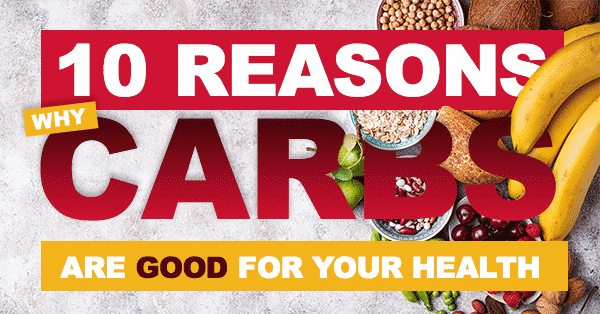
 In recent years, ketogenic and low carbohydrate diets have been very popular and also very effective for many people looking to lose weight and stay lean. High profile personal trainers, fitness trainers and dieticians who advocate low carbohydrate diets have helped many people lose weight and achieve their health and fitness goals. However, what is important to remember is that carbohydrates are an important macro-nutrient which all people need to include in their diet, and that a low carbohydrate diet is not suitable for everyone.
Although it is true that we need to reduce the amount of sugar in our diets, the word ‘carbohydrate’ covers a large spectrum of foods some of which are beneficial for our health. Carbohydrates come in different forms, most commonly: sugar, starch and fibre. Sugar can be found naturally in foods such as fruit, milk and honey, but can also be found in foods such as chocolate and cakes. Sugar is instantly available energy for our bodies so we often crave these types of food when we are hungry and if our mood is low. Starchy foods are found in foods which originate from plants, such as bread and potatoes. These foods provide a slower release of energy over time. Finally, fibre comes from carbohydrates which still have ‘their skin on’, for example, vegetable, wholegrain bread and lentils. These release energy over a much longer period of time.
 Below, I will explain with ten reasons why some forms of carbohydrates are beneficial for your health and why you should be including them in your diet.
-
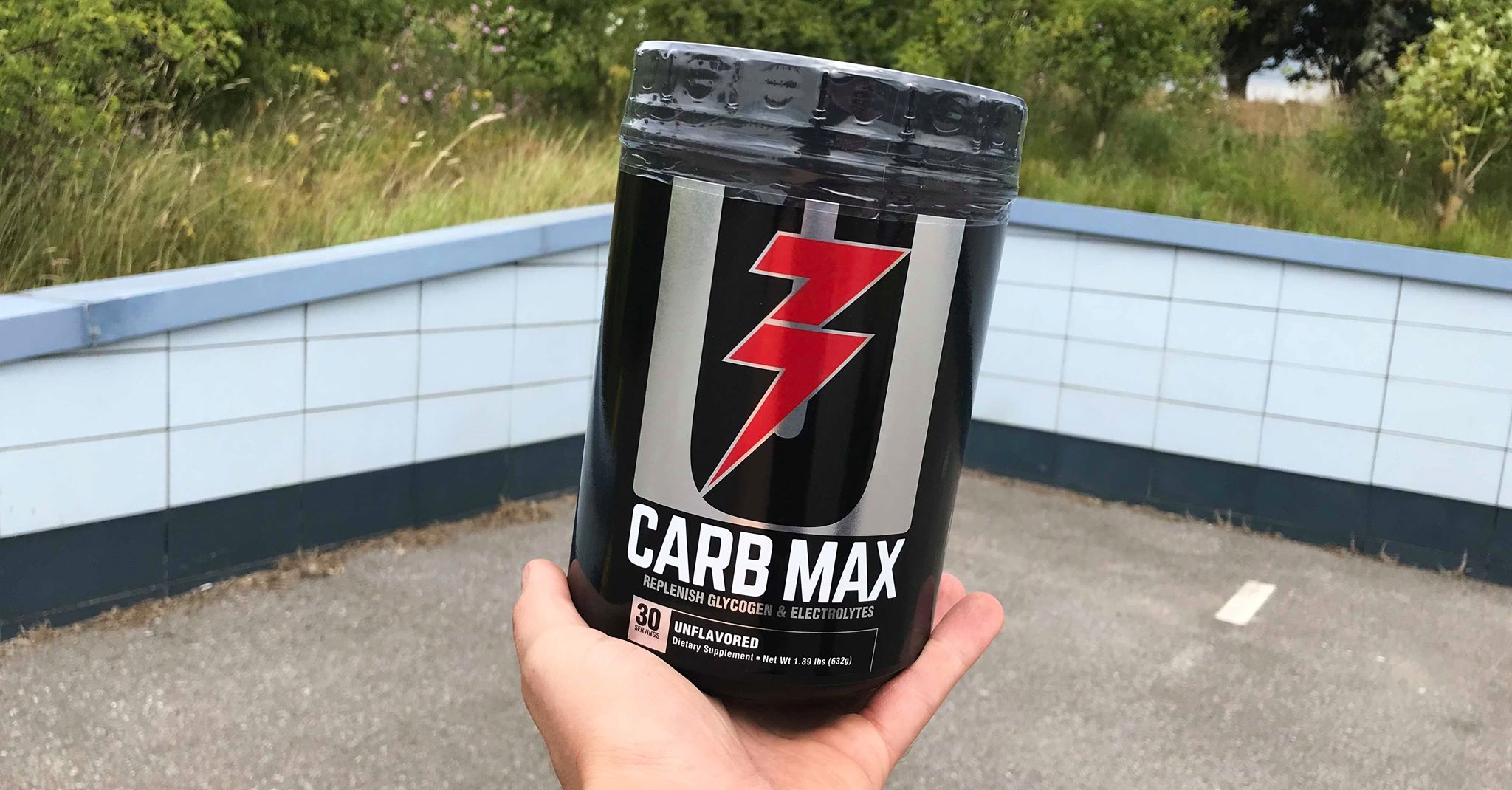
First of all, carbohydrates provide us with energy! When you eat carbohydrates, it is converted into glucose which can then be transported in our blood. The glucose is then delivered to muscles and organs for energy. Any glucose which is not used gets stored at glycogen within our muscles (this is almost like an instant store of energy when we begin exercising). Muscle glycogen stores can provide energy for up to ninety minutes of continuous exercise, which is why marathon runners will often carbo-load in the days prior to an event.
-
Carbohydrate foods which are high in fibre provide us with sustained energy over time. Unlike sugary foods, foods high in fibre provide us with energy over a long period of time leaving us feeling fuller for longer. This is beneficial for health as it can prevent cravings and hunger pangs which could lead to over snacking.
-
Consuming foods high in fibre can also reduce your risk of bowel cancer. People who meet the recommended 30grams of fibre per day also experience less constipation.
-
If you enjoy eating porridge in the morning then you are definitely looking after your circulatory system. Porridge has been shown to reduce our cholesterol levels lowering our risk of atherosclerosis, heart disease and stroke.
-
Following a low carbohydrate leads to our bodies switching to fat for energy. This is great news for people trying to lose weight. However, if your body fat percentage is already quite low, then your body will begin to use protein (from our muscles) for energy. Therefore, if you are already at a healthy body fat composition then eating the right balance of carbohydrates will help you to maintain your muscle composition.
-
Starchy foods, vegetables and fruits contain nutrients such as vitamin B, calcium and iron. Iron is particularly important for our cardiovascular system. Red blood cells contain haemoglobin (made from iron) which binds with oxygen allowing our muscles and organs to receive oxygen.
-
Cutting out more carbohydrates to follow a ketogenic diet can lead to consumption of more fat. In turn, this could lead to consumption of more saturated fat which can have adverse effects on health such as increased cholesterol levels.
-
Avoiding carbohydrates can also lead to ketosis. This is where your body relies on fat for energy. For some people, this can lead to irritability, dizziness, fatigue and nausea.
-
Eating carbohydrates following an exercise session helps our bodies to recover more quickly. This means that you can exercise on consecutive days with less fatigue.
-
Finally, consuming carbohydrates can also help to improve sleeping patterns. Serotonin is released by our bodies when we consume carbohydrates and this helps us to settle into a restful sleep.
 Hopefully, I have been able to shed some light on the benefits of eating carbohydrates. What is important to remember is that we should try to avoid sugary foods such as cakes, biscuits and chocolate as these are higher in calories and can lead to more snacking. Whereas, we should be aiming to eat starchy foods and foods higher in fibre as they keep us feeling fuller for longer (preventing over-consumption of calories) and provide many health benefits.
Toby Hone
BSc (hons) Sport and Exercise Science