



 Ah the hamstrings. The ‘leg bicep’. I love training them, but this isn’t a mutual feeling across the bodybuilding community. Many won’t see it as a necessary muscle to train, after all, it's not a mirror muscle is it? I’m pained to say this was also my way of thinking when I first started training. Leg day was all about the quads and making them grow, which is silly, as you are pretty much missing out on growing your legs an extra 50% if you only train the front. Thankfully, I realised this, and the goal for bigger legs started with training my hamstrings just as hard (if not harder) as I trained my quads. Low and behold I fell in love with training hamstrings and I now enjoy a hamstring workout more than I do a quad one.
If you’re here reading this, then I assume you know you have to grow those hammies. That’s great, and I’ll share with you how to, but first let's look at the anatomy quickly.
The hamstrings are responsible for helping with knee and hip movements that occur during walks, bending of the knees, squats and any pelvic movements.
They are made up of three main muscles.

Biceps femoris – this muscle allows the knee to flex, rotate and also your hip to extend. It has two parts, the long head that is attached to the rear of the hip bone, and the shorter head that attaches to the femur.
Semimembranosus – this allows rotation at the tibia, helps the knee to flex and the thigh to extend. It’s a long muscle located at the back of the thigh that starts at the pelvis and ends at the tibia.
Semitendinosus – the longest muscle in the hamstrings and located between the above two. Its function is to allow the knee to flex, tibia to rotate and the thigh to extend.
So, it looks like the best exercises to work the hamstring in would be anything that involves flexion at the knee and extension of the hips? Let’s take a look at what exercises best do this.
The Romanian Deadlift
Quite simply, the big daddy of hamstring exercises. It ticks all the boxes for great hamstring activation, vertical shin, hip flexion and a straight back. They are actually a relatively safe exercise and don’t require a tonne of weight to activate the hamstrings. In fact, I would recommend using less weight and opting for a 10+ rep range with a focus on time under tension to really feel the hamstrings working.
Nordic ham curl
An extremely hard exercise to master that will truly test your hamstring strength however requires little to no equipment. You will really want to focus on the eccentric part of the lift here and start with 3-4 sets of perfectly executed reps. Trust me, if you start getting strong on these, you will notice the carry over onto other exercises as well as some impressive hamstring growth.
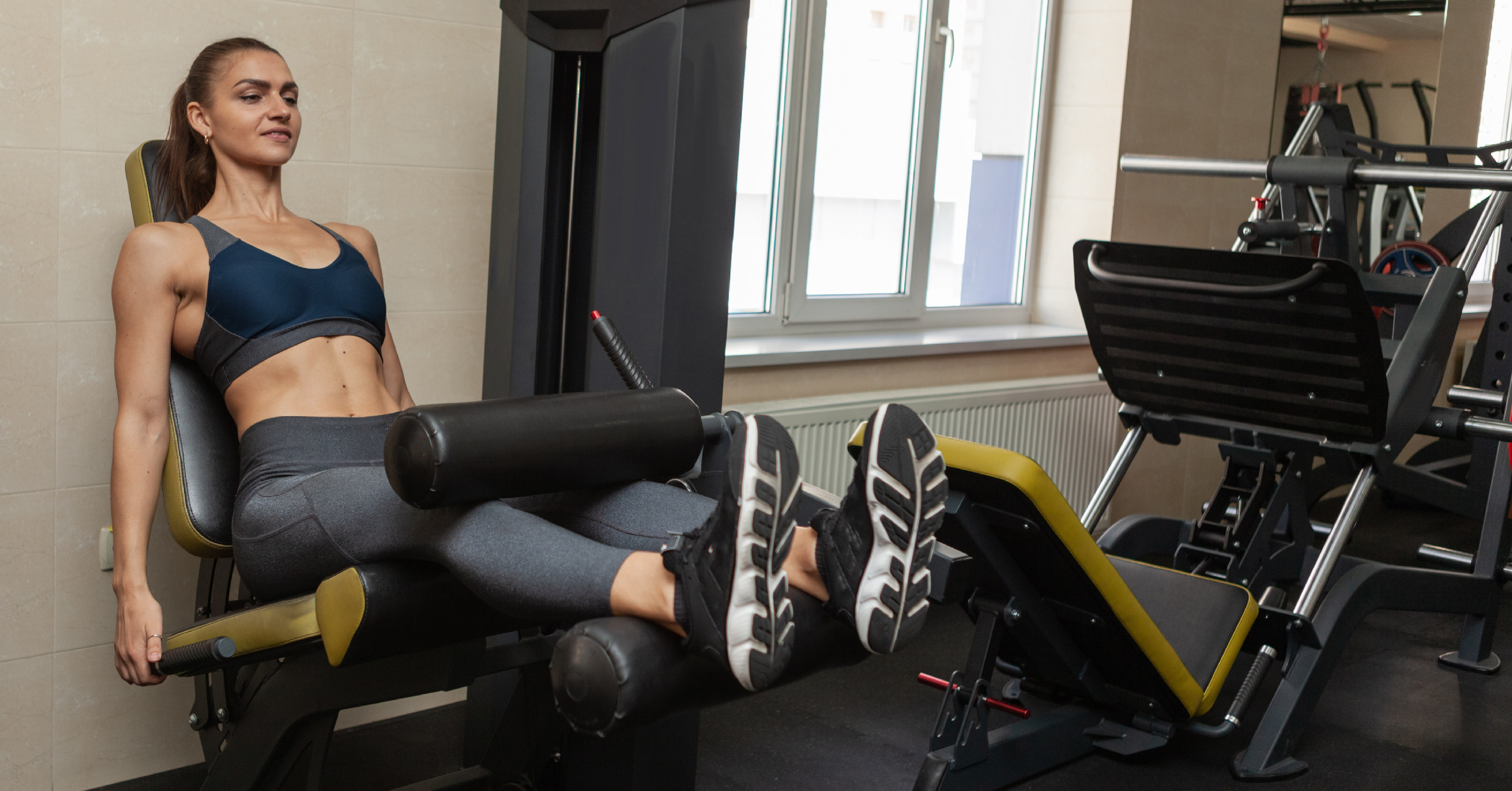 Seated hamstring curl
If you are wondering why I chose the seated version over the prone, it’s because of its ability to fully shorten the hamstring and contract it during repetitions. Seriously, this is one of the best and nastiest ways to contract the hamstring (in a good way that will make you grow). It will isolate the hamstring and allow brilliant control due to the ‘locked in’ feeling from the pads.
If you add all these exercises to your arsenal and use progressive overload week in week out, then I have no doubt you will see improvements in your hamstrings. If you are really serious about improving your hamstrings, why not train legs twice a week? Make sure you are fully recovered before the second session and place an emphasis on training your hamstrings first, before quads, that’s when you will be at your strongest.
Go build them leg biceps!