



 Glutamine is an α-amino acid that is used in the biosynthesis of proteins. Its side chain is similar to that of glutamic acid, except the carboxylic acid group is replaced by an amide. It is classified as a charge-neutral, polar amino acid. It is non-essential and conditionally essential in humans, meaning the body can usually synthesize sufficient amounts of it, but in some instances of stress, the body's demand for glutamine increases, and glutamine must be obtained from the diet. It is encoded by the codons CAA and CAG.
In human blood, glutamine is the most abundant free amino acid. The dietary sources of glutamine includes especially the protein-rich foods like beef, chicken, fish, dairy products, eggs, vegetables like beans, beets, cabbage, spinach, carrots, parsley, vegetable juices and also in wheat, papaya, Brussels sprouts, celery, kale and fermented foods like miso. Functions Glutamine plays a role in a variety of biochemical functions: Protein synthesis, as any other of the 20 proteinogenic amino acids Lipid synthesis, especially by cancer cells.
Regulation of acid-base balance in the kidney by producing ammonium Cellular energy, as a source, next to glucose Nitrogen donation for many anabolic processes, including the synthesis of purines Nontoxic transporter of ammonia in the blood circulation Precursor to the neurotransmitter glutamate On the level of tissue, glutamine plays a role in maintaining the normal integrity of the intestinal mucosa.
 Glutamine is synthesized by the enzyme glutamine synthetase from glutamate and ammonia. The most relevant glutamine-producing tissue is the muscle mass, accounting for about 90% of all glutamine synthesized. Glutamine is also released, in small amounts, by the lungs and brain. Although the liver is capable of relevant glutamine synthesis, its role in glutamine metabolism is more regulatory than producing, since the liver takes up large amounts of glutamine derived from the gut. and many cancer cells.
Uses Nutrition Glutamine is the most abundant naturally occurring, non-essential amino acid in the human body, and one of the few amino acids that can directly cross the blood–brain barrier. In states where tissue is being built or repaired, like growth of babies, or healing from wounds or severe illness, glutamine becomes conditionally essential. Medical food Glutamine is marketed as medical food and is prescribed when a medical professional believes a person in their care needs supplementary glutamine due to metabolic demands beyond what can be met by endogenous synthesis or diet.
Safety Glutamine is safe in adults and in preterm infants. Although glutamine is metabolised to glutamate and ammonia, both of which have neurological effects, their concentrations are not increased much, and no adverse neurological effects were detected. Adverse effects of glutamine have been prescribed for people receiving home parenteral nutrition and those with liver-function abnormalities.
 Although glutamine has no effect on the proliferation of tumour cells, it is still possible that glutamine supplementation may be detrimental in some cancer types. Ceasing glutamine supplementation in people adapted to very high consumption may initiate a withdrawal effect, raising the risk of health problems such as infections or impaired integrity of the intestine. Glutamine supplementation was thought to have potential to reduce complications in people who are critically ill or who have had abdominal surgery but this was based on poor quality clinical trials.
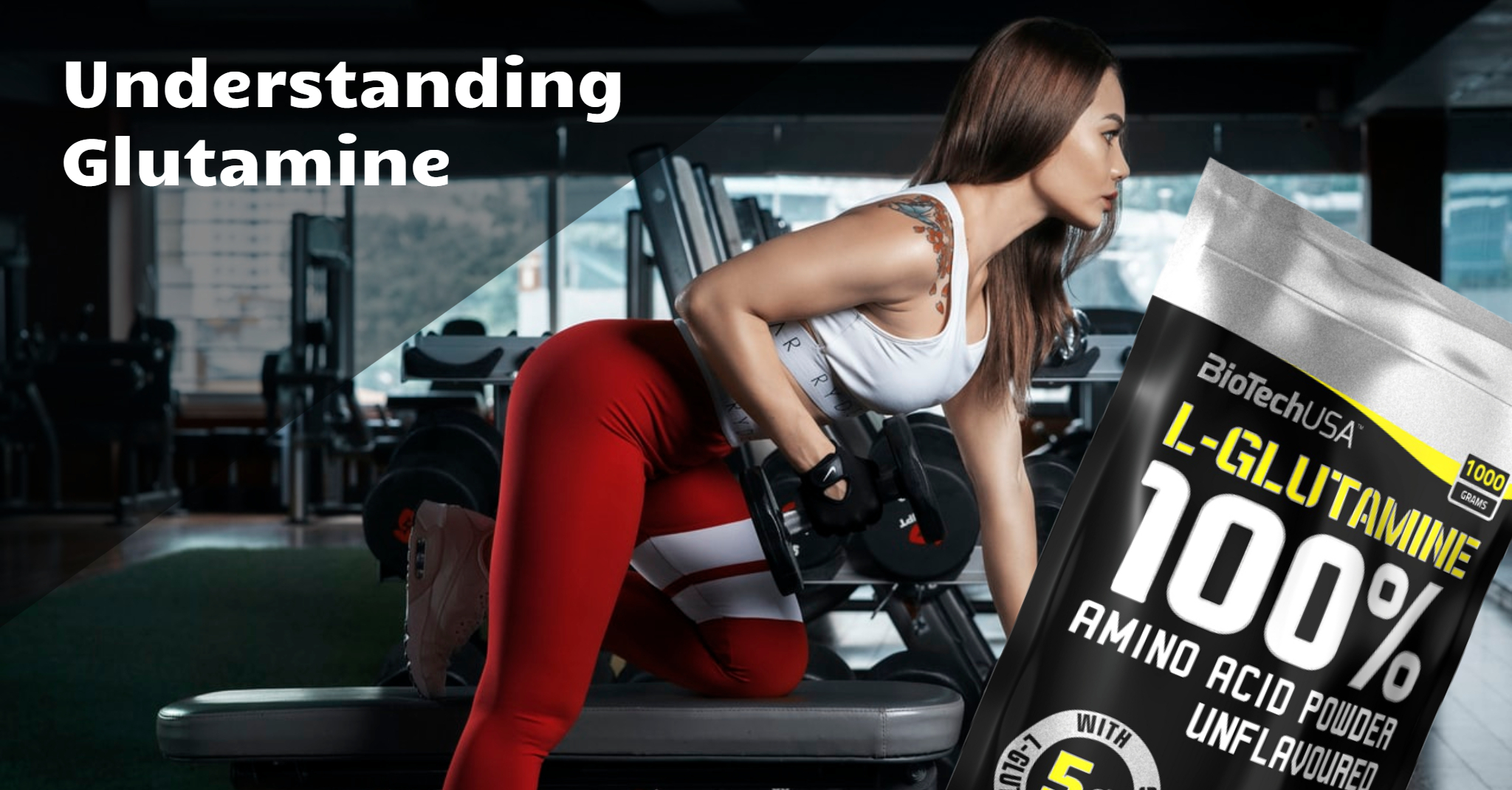
Supplementation does not appear to be useful in adults or children with Crohn's disease or inflammatory bowel disease, but clinical studies as of 2016 were underpowered. Supplementation does not appear to have an effect in infants with significant problems of the stomach or intestines. Some athletes use L-glutamine as supplement. Studies support the positive effects of the chronic oral administration of the supplement on the injury and inflammation induced by intense aerobic and exhaustive exercise, but the effects on muscle recovery from weight training are unclear.