



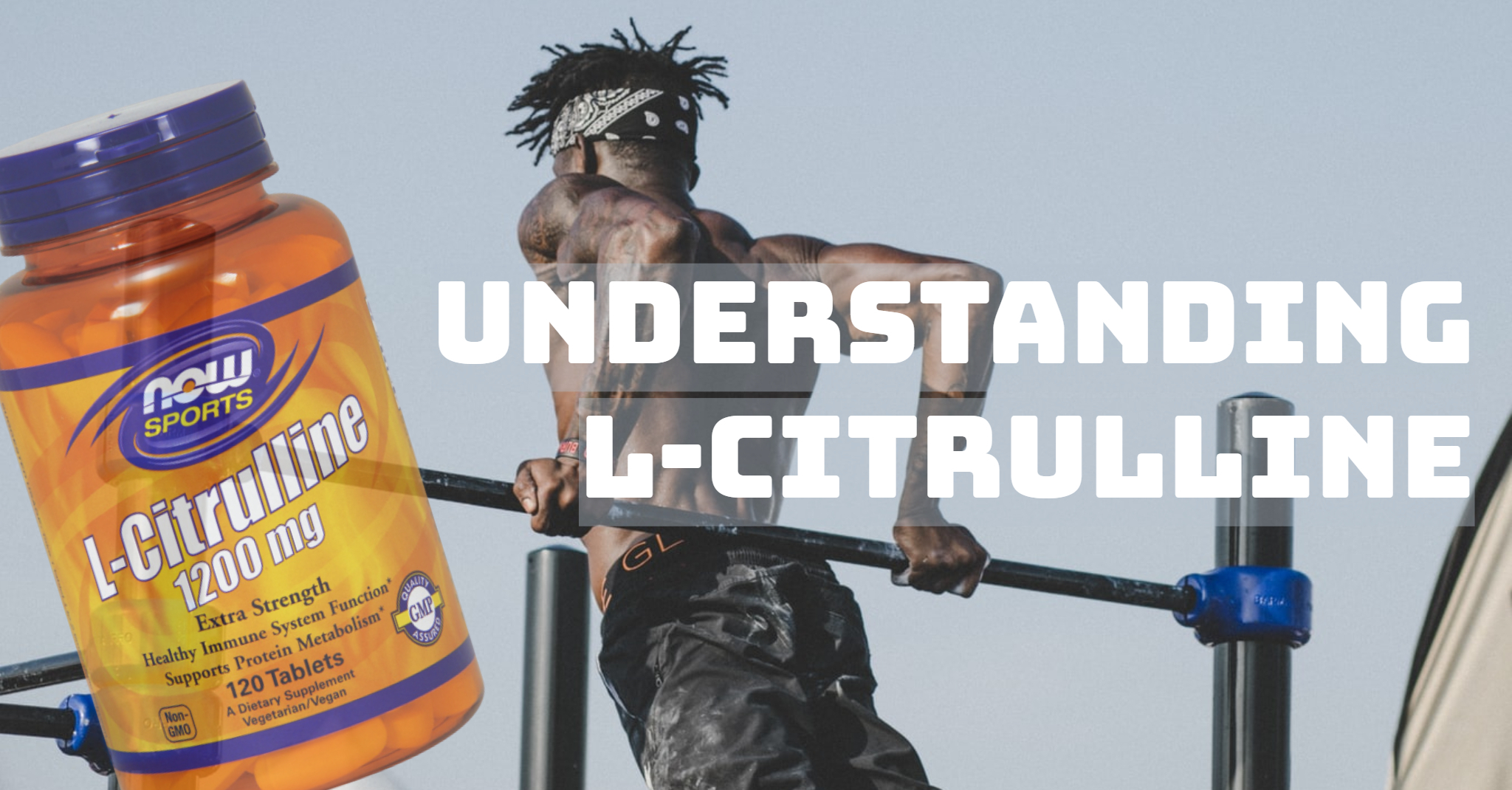
 L-citrulline is a substance called a non-essential amino acid. Your kidneys change L-citrulline into another amino acid called L-arginine and a chemical called nitric oxide.
These compounds are important to your heart and blood vessel health. They may also boost your immune system.
The organic compound citrulline is an α-amino acid. Its name is derived from "citrullus", the Latin word for watermelon, from which it was first isolated in 1914 by Koga and Odake. It was finally identified by Wada in 1930.
It has the formula H2NCNH3CHCO2H. It is a key intermediate in the urea cycle, the pathway by which mammals excrete ammonia by converting it into urea. Citrulline is also produced as a byproduct of the enzymatic production of nitric oxide from the amino acid arginine, catalyzed by nitric oxide synthase.
Citrulline is made from ornithine and carbamoyl phosphate in one of the central reactions in the urea cycle. It is also produced from arginine as a byproduct of the reaction catalyzed by NOS family . It is made from arginine by the enzyme trichohyalin at the inner root sheath and medulla of hair follicles. Arginine is first oxidized into N-hydroxyl-arginine, which is then further oxidized to citrulline concomitant with release of nitric oxide.
L-citrulline boosts nitric oxide production in the body. Nitric oxide helps your arteries relax and work better, which improves blood flow throughout your body. This may be helpful for treating or preventing some diseases.
Ther is some evidence to suggest the supplement could possibly help lower blood pressure in people with prehypertension. This is an early warning sign for high blood pressure. It means you have a slightly raised blood pressure reading of 120/80 to 139/89. Prehypertension raises your risk for high blood pressure and heart disease.
Several proteins contain citrulline as a result of a posttranslational modification. These citrulline residues are generated by a family of enzymes called peptidylarginine deiminases, which convert arginine into citrulline in a process called citrullination or deimination with the help of calcium ion. Proteins that normally contain citrulline residues include myelin basic protein, filaggrin, and several histone proteins, whereas other proteins, such as fibrin and vimentin are susceptible to citrullination during cell death and tissue inflammation.
The supplement usually comes in powder form. The suggested dosage for L-citrulline depends on what disease you are trying to treat or prevent, but is sometimes used up to 9 grams daily, divided throughout the day. However, optimal doses of L-citrulline have not been set for any condition. Quality and active ingredients in supplements may vary widely. This makes it hard to set a standard dose.