



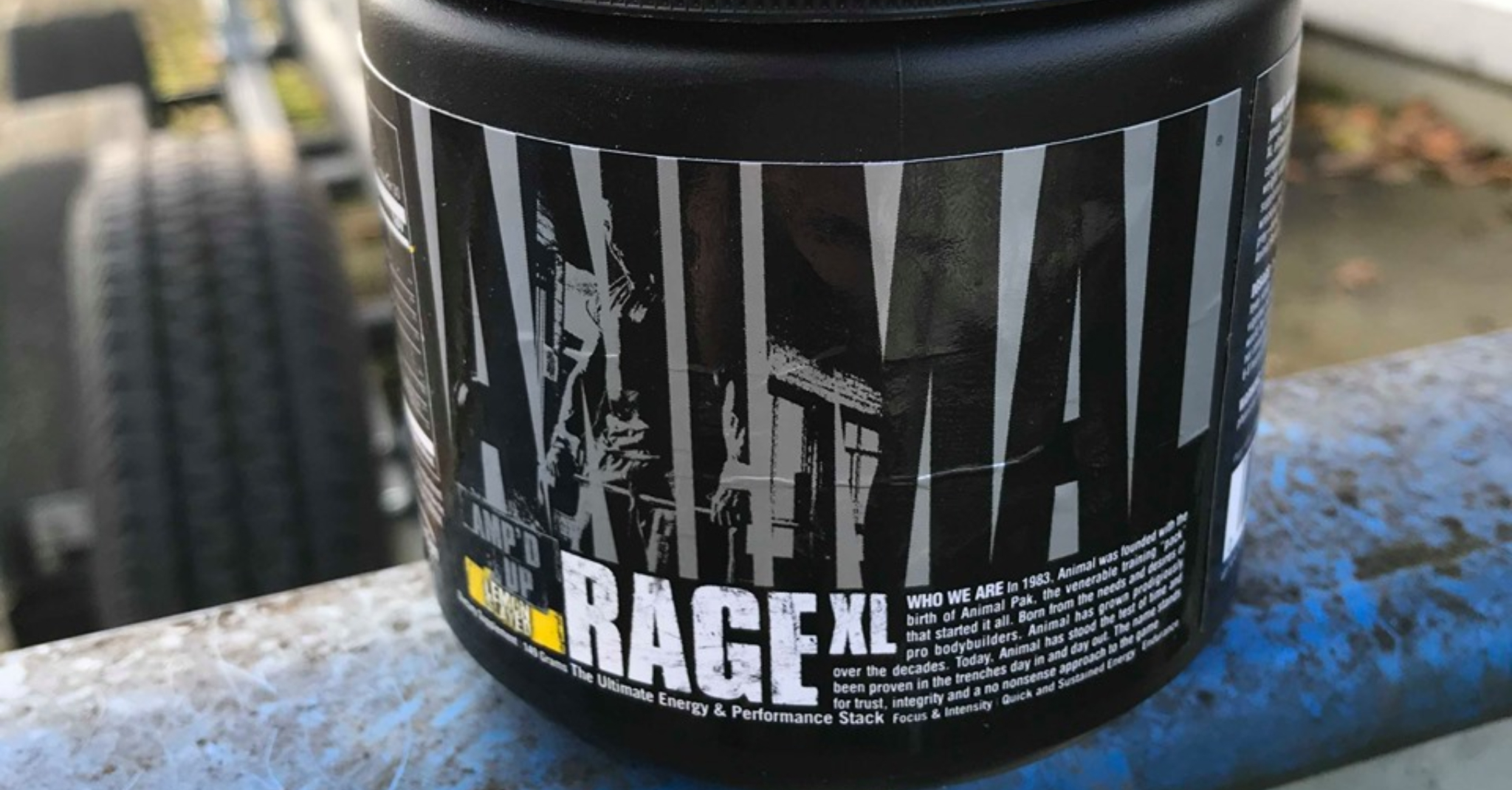
 Pre-workout is a genre of bodybuilding supplements. It contains ingredients that are intended to give a sudden boost of energy. These supplements are over the counter and are used by mainly athletes to help aid in performance and recovery. Pre-workout supplements contain ingredients such as, beta alanine, creatine, amino acids, and L- Citrulline, that aid in muscle recovery after a strenuous workout. Pre-workout can be beneficial for performing strenuous exercises. Many supplement brands advertise products containing ingredients that are not proven safe or have a scientifically proven benefit. Some of the supplements being advertised can have little to no benefits and can cause unwanted side effects.
History:
Prior to commercial pre-workout supplements, bodybuilders from the 1960s to the early 1980s would drink a cup of coffee before a workout. The first pre-workout, called Ultimate Orange, was created in Venice, California in 1982. It was formulated by Dan Duchaine, and quickly became popular among bodybuilders. Shortly after Ultimate Orange emerged, lawsuits against Ultimate Orange began to increase. Between the late 1990s and early 2000s, Ultimate Orange was believed to be the cause of many heart attacks because of its active ingredient, ephedra.
Supplement companies began to create more powerful forms of pre-workout. Arginine AKG, Arginine Malate, and Citrulline were added to pre-workouts. These ingredients cause the blood vessels to enlarge temporarily, giving lifters a better “pump.”
Caffeine is the most common type of ingredient/supplement. It has a neural effect that goes to the central nervous system and activates beta-endorphins and hormones that increase alertness, mental concentration, and energy.
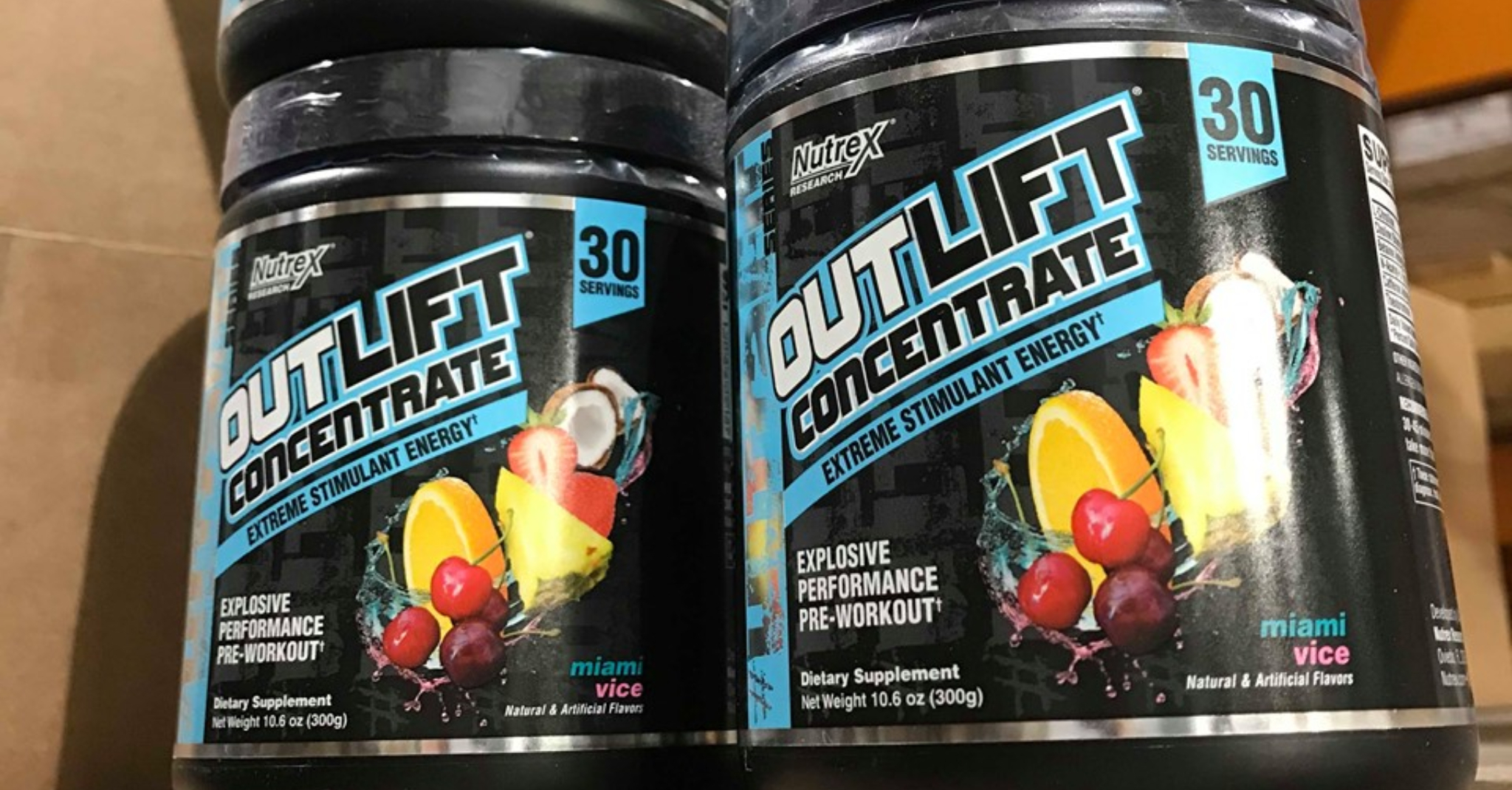 Methylhexanamine, otherwise known as DMAA, is an amphetamine derivative and vasoconstrictor that is marketed as an alternative or supplement to caffeine, claiming to improve energy, mental concentration, and perception, and to decrease tiredness. The FDA has warned that DMAA ``is known to narrow the blood vessels and arteries, which can elevate blood pressure and may lead to cardiovascular events ranging from shortness of breath and tightening in the chest to heart attack". Numerous adverse events and at least five deaths have been reported in association with methylhexanamine-containing dietary supplements. DMAA may also cause a false positive result for amphetamines on some drug tests.
Creatine is a natural chemical that is produced in the kidney and liver and stored in the skeletal muscle cells. Creatine is an energy source that can act alone as a supplement and draws water to muscle cells creating muscle hypertrophy. The creation of muscle trophy is because when it is stored in the muscle cells it is phosphorylated and produces phosphocreatine. There are four forms of creatine: Creatine mono-hydrate, creatine phosphate, creatine citrate, and creatine esters.
Beta-Alanine is produced from the liver and enhances the ability to buffer protons and slows down fatigue when muscles are in severe contractions. When exercising it increases performance, power output, and aerobic and anaerobic endurance.
Taurine is a common ingredient in energy drinks, and can also be used as a supplement taken alone. It is similar to creatine in helping muscle hypertrophy that increases strength, endurance, reduced muscle damage, and helps with a faster recovery.