



 There’s more than one reason we come back from our week in the sun feeling re-energised. It gives us a big dose of Vitamin D! SO what’s the big deal about this little sunshine vitamin and why is supplementation so important? First a bit about the little guy, yep, science, sorry! The term ‘vitamin’ refers to a substance that the human body cannot manufacture on its own however, while it is well-understood that vitamin D is indeed a vitamin, it is less known as a fat soluble hormone (technically a prohormone). The two main forms of vitamin D are D3 (cholecalciferol) and D2 (ergocalciferol). D3 is synthesised from 7-dehydrocholesterol in the lower layer of the skin following exposure to ultraviolet B radiation from the sun/artificial sources. D2 is synthesised through plant irradiation and has only one third of the efficacy of D3 and, as such, D3 is the preferred choice included in nutritional supplements. Vitamin D can be found naturally from animals (D3) or plant (D2) sources. However, besides oily fish, few foods contain sufficient amounts of vitamin D to make maintaining adequate intake from natural sources alone practical. Vitamin D is activated from its prohormone form in the liver via conversion to an intermediate (25-hydroxyvitamin D) and finally into its active form calcitriol (1,25-dihydroxycholecalciferol), which is then transported into the blood so it may fulfil its various roles. It regulates calcium and phosphate absorption from the bowel, enabling mineralization of newly formed osteoid tissue in bones, giving them their strength. Vitamin D also influences immune system function, inflammatory responses and plays an active role in mood regulation. Sounds important right? It is! Vitamin D deficiency decreases the absorption efficiency of dietary calcium from around 60-80% to 15% and is implicated in many chronic diseases including those caused by reduced bone mineralisation such as osteoporosis, osteomalacia and growth retardation. It is also associated with autoimmune disorders such as thyroid disease, and infectious diseases due to its role in immune system regulation via the activation and dampening of the innate and adaptive immune responses respectively. Low vitamin D levels are also associated with decreased motivation, dampened mood and chronic fatigue. Oh dear, no thanks!
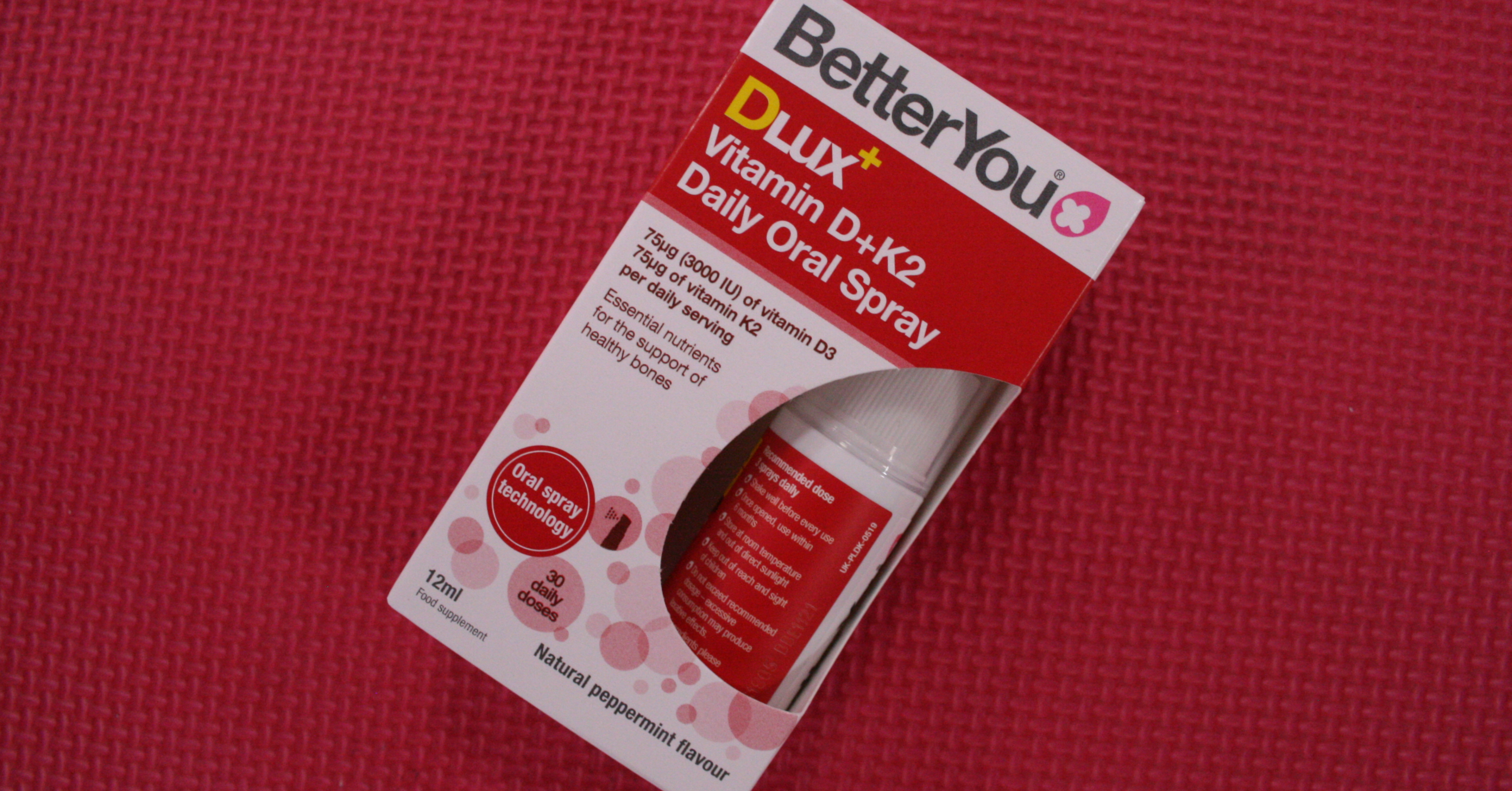 Unfortunately, due to our chronic lack of sunshine, and Sunny D going out of fashion (please tell me you remember Sunny D!?), recent data revealed that a staggering 80% of the UK population are vitamin D insufficient, and an alarming 40% are vitamin D deficient. Vitamin D deficiency is the most common nutritional deficiency worldwide, yet remains the most under-diagnosed medical condition in both children and adults. The simplest way to estimate your vitamin D levels are via blood tests, where levels lower than 20 ng/mL suggest vitamin D deficiency (you could do with more for optimal function) and levels between 21-29 ng/mL indicate insufficiency (you don’t have enough to function). A minimum of 800 international units (iu) daily is required to support bone health and the American Food and Nutrition Board recommends 4000 iu daily as the safe upper limit for intake. Excessive vitamin D intake has been associated with heart, blood vessel and kidney damage as a consequence of the calcification of the vasculature/tissues. Evidence is appearing suggesting that actually you would need much higher than this to become toxic.

However, the most accurate method for determining your vitamin D status is always through blood tests and consultation with a registered GP or dietician. It’s worth mentioning though that the rules have changed for doctors and they can no longer prescribe maintenance vitamin D supplementation, but they can treat insufficiency and advice you to buy your own ‘over the counter’ if needed. Good practice regarding supplementation would be to begin with a modest dose (e.g. 2000 iu daily), consistently for a moderate time period (e.g. one month), assessing your levels with a blood test and adjusting intake as appropriate. It is important that if you wish to supplement with vitamin D that you do so with at least 100 mcg vitamin K2-MK7 per 2000 iu vitamin D3, as while vitamin D facilitates the absorption of calcium (from digestion into the blood), vitamin K2 is responsible for directing blood calcium into our bones. If you’re going to supplement with vitamin D, make sure it goes where you want it too and doesn’t sneak off to cause trouble elsewhere! So there you go, unless you can afford to go on sunny holidays on the regular (please don’t do this, UV light is dangerous!), vitamin D supplementation is a good idea. As always, for personalised medical advice and warnings, see your GP.