



 Fat loss is the goal for most of us in our fitness journeys. Across all ability levels, sports and training styles, most of us want to reduce our body-fat percentage, whether it's for health reasons, aesthetics or for our own happiness. If you're new to training often the goal is to lose fat to look more healthy, and even competitive athletes like Bodybuilders need to lose fat before they get on stage. Fighters need to lose fat to make weight for their competitions and others need to manage their body-fat in order to perform at their best. But what is the best way to reduce our body-fat? And what is the best way to assess successful loss of body-fat? There are methods of burning fat which work very quickly, but perhaps aren't fantastic in the long term, and methods which may take a long time but produce long-lasting results. Let's discuss...
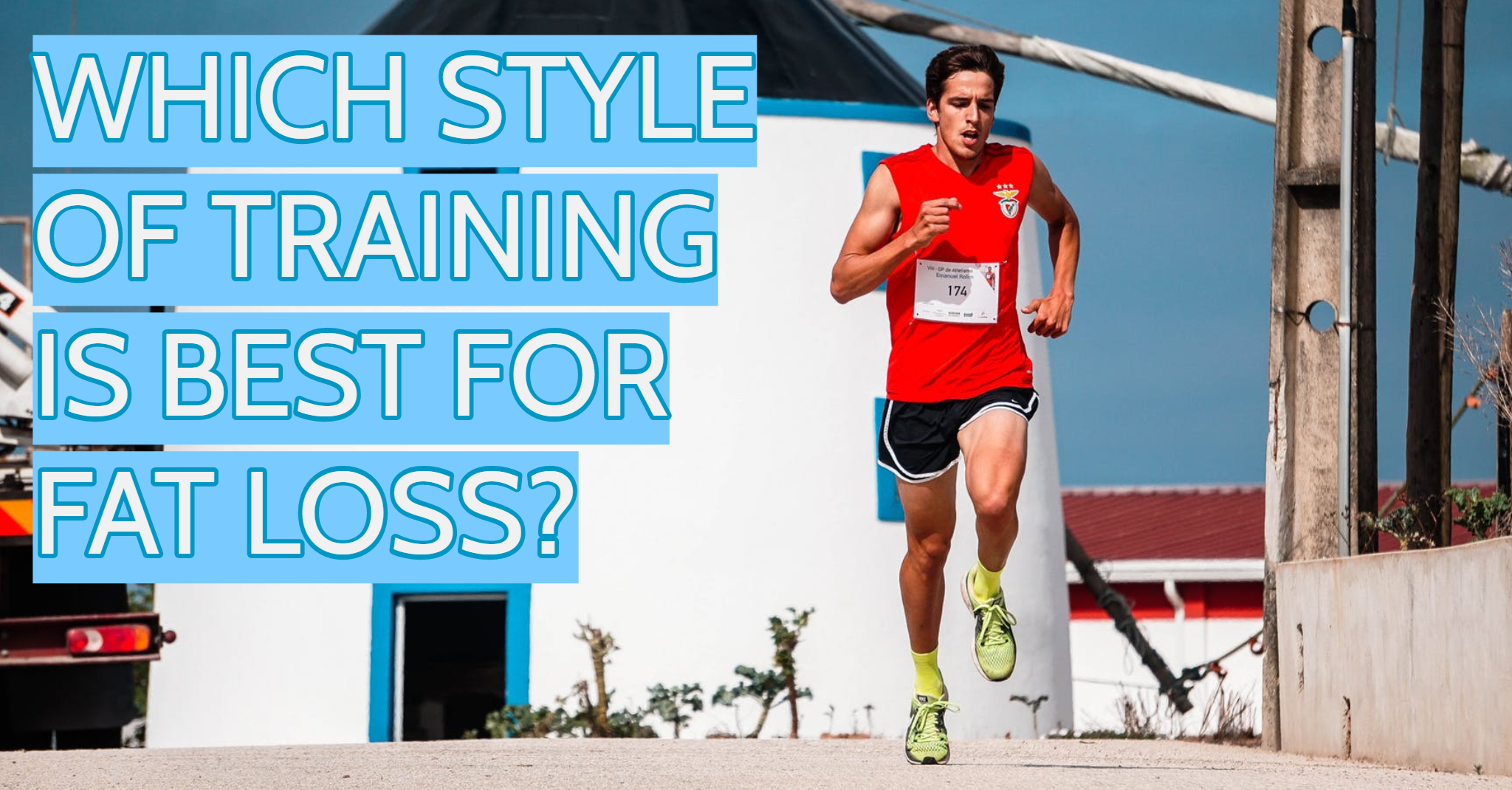
 First of all let's consider many people's' go-to... Cardio! First of all, we need to appreciate the fact that the primary goal of Cardio is Cardiovascular function, (Essentially raising your heart rate.) The term Cardio is often interchangeable with Aerobics, which includes a limitation of Oxygen, (Getting out of breath.) Combined, the goal is to improve your stamina and heart function. This being said, Cardio can be a useful tool for fat-loss as it produces a lot of stress on the body. Cardio such as Running, swimming or cycling can produce relatively quick results not only for your health but for weight-loss. The only real drawbacks to Cardio exercise for fat-loss are longevity and Muscle depletion. Cardio is not fantastic for developing muscle-tone, so it requires you to keep doing it in order to maintain any progress. Further, if you are muscular, it can be detrimental to muscle-tone, resulting in a loss of muscle-mass as well as body-fat
Next let's look as weight-lifting. Weight lifting centres around strengthening and/or growing muscle, which may not seem like the right way to go, initially. It is important to remember the difference between fat-loss and weight-loss. Fat-loss focuses on the reduction of body-fat percentage, whereas weight-loss simply means reduction in weight. Fat-loss can be achieved even in the process of becoming larger... Due to Muscle being more dense than fat, it is common for weightlifters to gain weight while simultaneously lowering their body-fat percentage. Muscle-growth is the ideal method of long-term, low-maintenance body-fat reduction. Once you have developed lean muscle-mass, your body will require a higher calorie consumption in order to maintain itself, thus allowing you to enter into a calorie deficit without reducing your calorie intake, but instead by increasing your body's requirements.
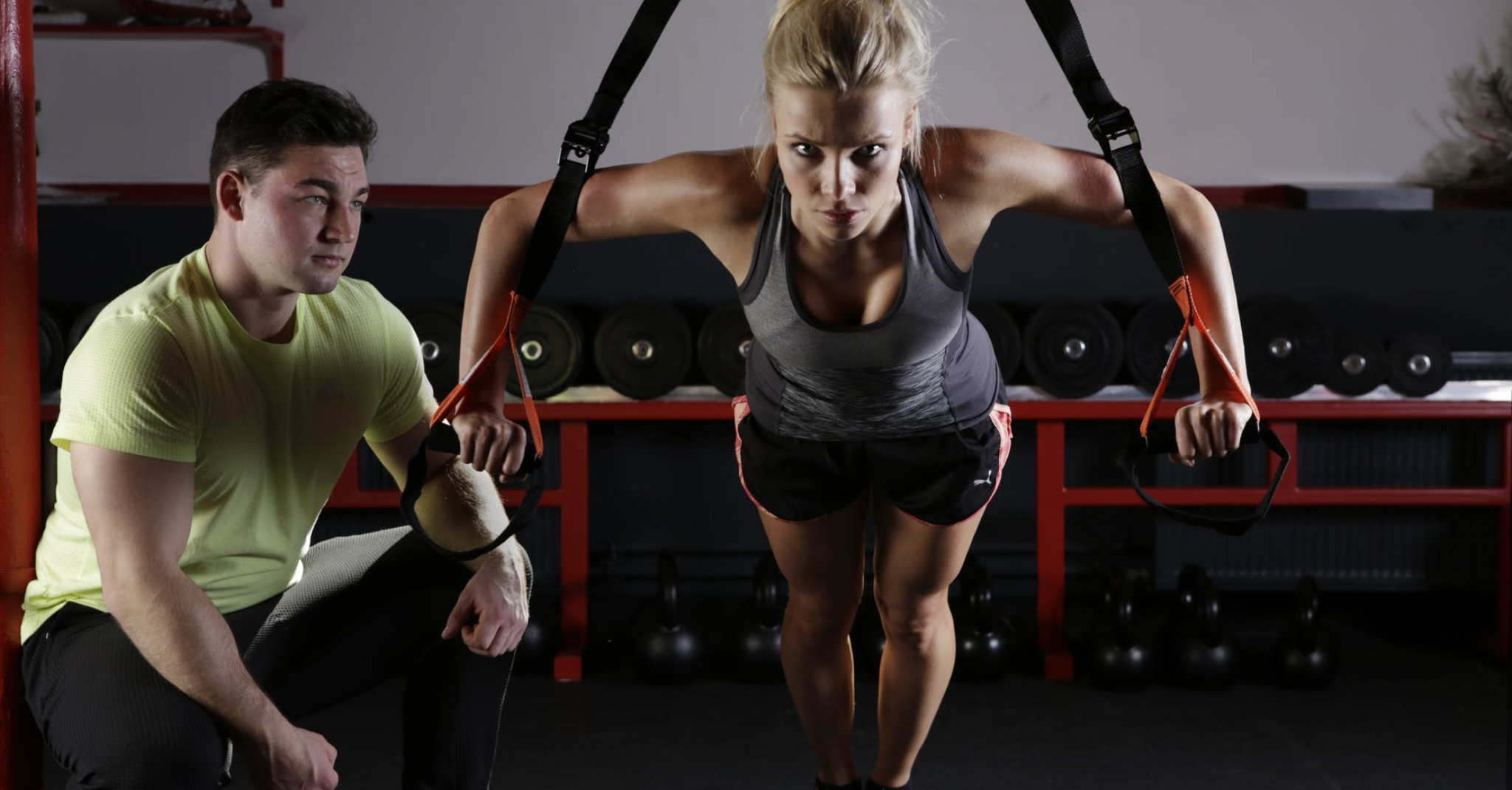 Finally let's look at the very popular HIIT workouts. (High intensity interval training.) If you are not familiar with it, here's how it works... At the base of this workout style is a combination of muscle activation along with aerobic and Cardio factors. HIIT workouts usually combine multiple workouts in a circuit format, often featuring short breaks to allow you to maintain the high intensity. The goal is not endurance, like you would see in a long run, but instead to perform to your best ability for a much shorter duration. HIIT workouts have been proven to burn fat extremely quickly as they put tremendous stress on your body, challenging your muscles as well as your Cardiovascular system and your lungs. HIIT workouts are truly the medium between the two aforementioned methods, carrying a diluted version of each one's pros and cons. The longevity does not quite meet that of weight-lifting, but exceeds that of Cardio. However, the rate of result is surely fastest with HIIT training.
In conclusion, I would argue that HIIT is certainly the best method for Fat-loss, especially if you are doing so for an event such as a holiday. But weight-lifting and muscle growth is the superior method for long-term results.