



 Vitamins are essential micronutrients which allow our bodies to function correctly. They are important in keeping the immune system healthy as well as other roles in maintaining bone, skin, cartilage and eye health. However, some vitamins are water-soluble whereas other vitamins are fat-soluble. What does this mean exactly and does it have an impact on what multivitamins you should be taking? Read on to find out more.
Water-soluble vitamins are not stored by the body. When we consume these vitamins our body absorbs the amount it needs and excretes any excess of a water-soluble vitamin in our urine. Therefore, a constant daily supply of these vitamins is required. We can achieve this through diet, supplements or a mix of both.
On the other hand, fat-soluble vitamins are stored in the body. When we consume these vitamins, they are absorbed by the fat in our body so that we store them for later use. Therefore, over consumption of these vitamins can occur which can lead to potentially harmful effects as a result of hypervitaminosis (too many vitamins in the body). Furthermore, it is important to make sure that we do not take on too many of these vitamins.
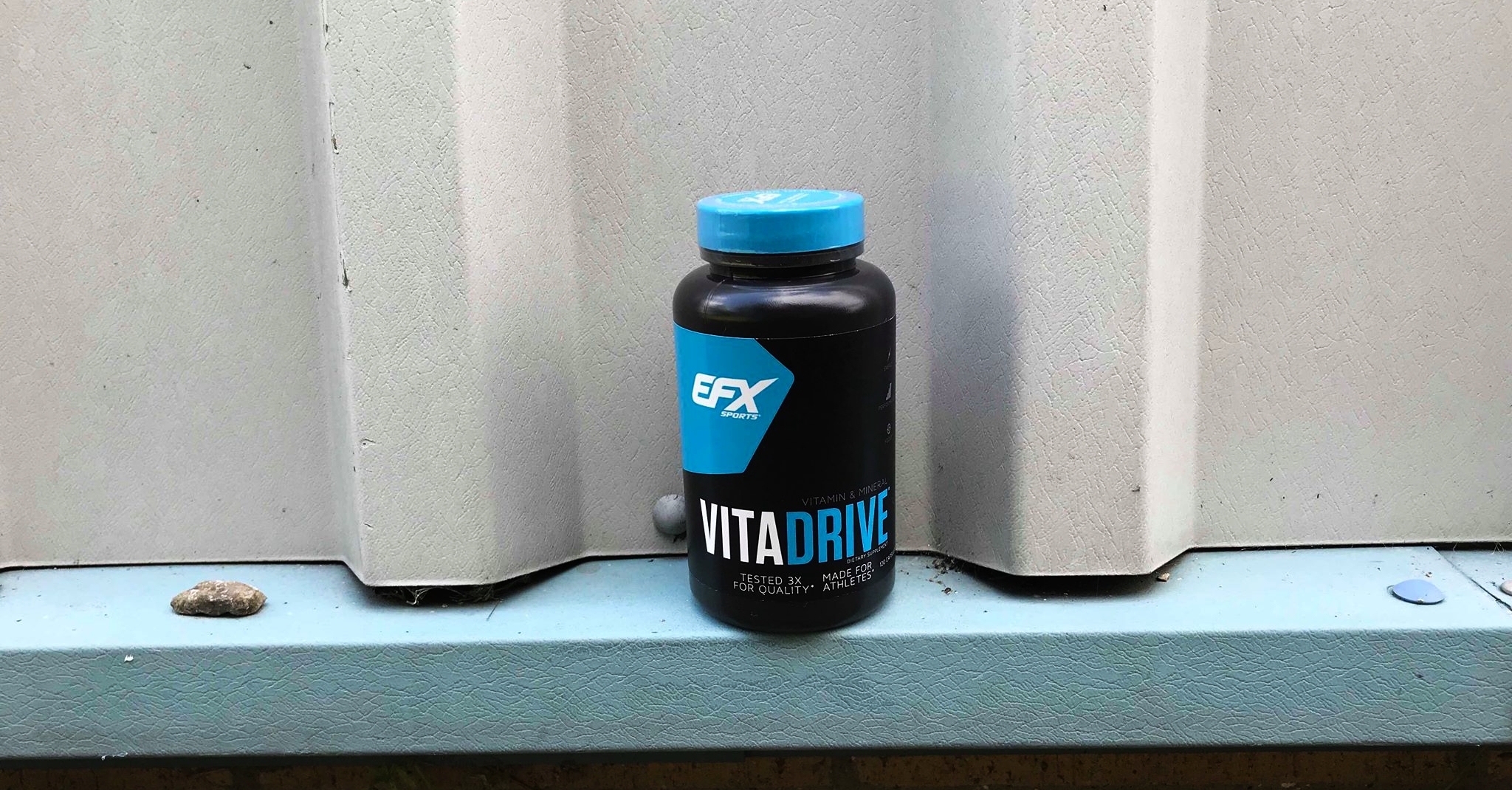
So which vitamins are water-soluble and which are fat-soluble?
Water-soluble vitamins include:
-
B vitamins
-
B1 (thiamine)
-
B2 (riboflavin)
-
B3 (niacin)
-
B5 (pantothenic acid)
-
B6 (pyridoxine)
-
B7 (biotin)
-
B9 (folate)
-
B12 (cobalamins)
Consuming B vitamin supplements could help you to ensure that you are getting enough for healthy body function as any excess if excreted each day. However, consuming over 3000mg of niacin per day can lead to: nausea, vomiting, flushed skin and even liver damage. Therefore, you may want to avoid niacin (B3) as an additional supplement on top of your diet.
-
Vitamin C
This well-known vitamin helps to support a healthy immune system, so taking a vitamin C supplement could help your body to prevent cold and flu; allowing you to carry on training. When taking vitamin C supplements, ensure you try to stay below 2-3g per day at this can cause indigestion and/or diarrhoea.
Fat-soluble vitamins:
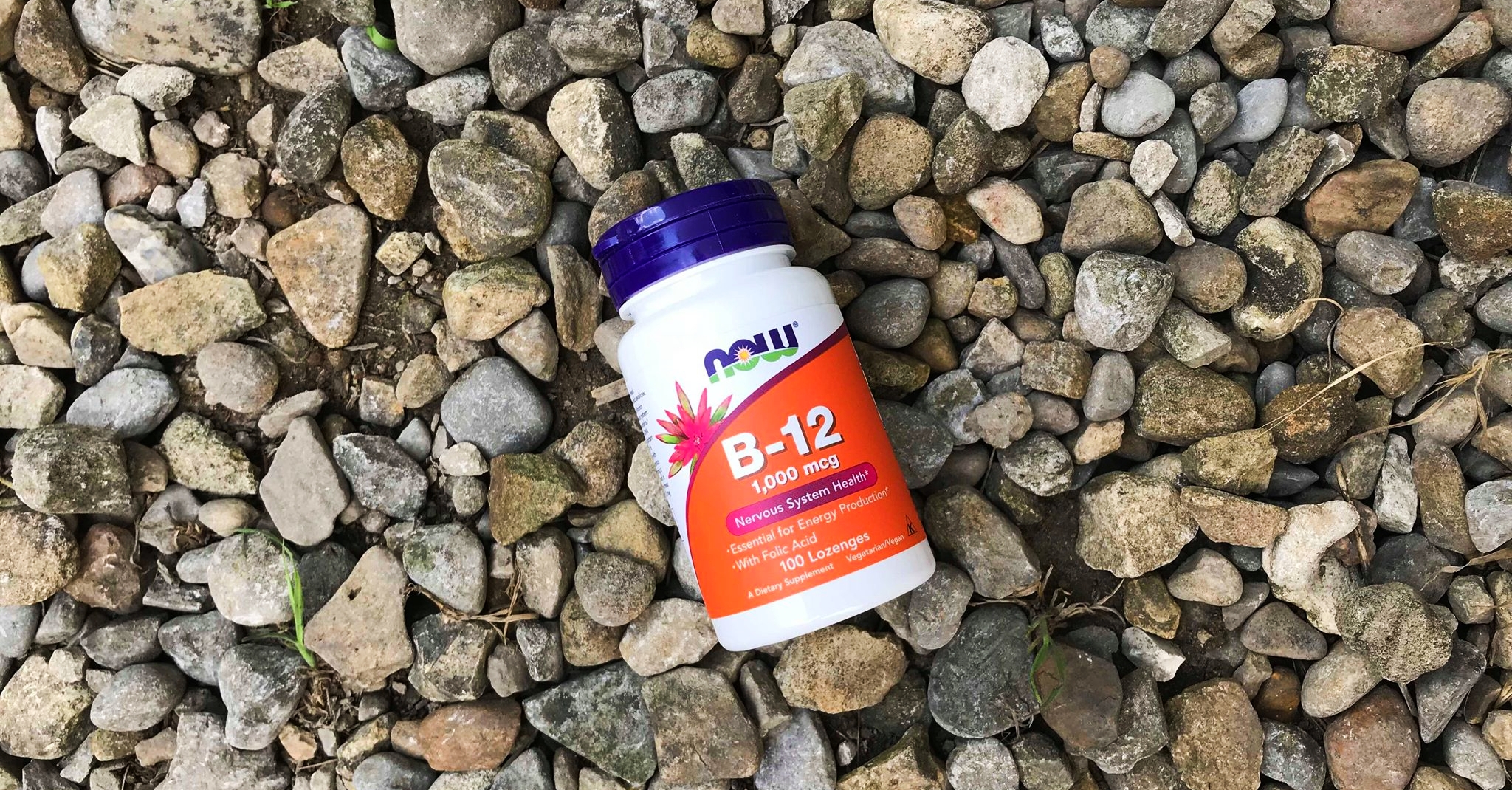 These are vitamins which your body stores, therefore, you can consume most of your required intake from your diet alone. If you are going to take these as a supplement, you are not necessarily going to need to take them daily or in high doses as this could lead to adverse health effects.
-
Vitamin A (retinol) is excellent for eye health. Your body only requires 0.6 – 0.7mg per day and much of this can be obtained from eggs and dairy foods.
-
Vitamin D is involved in keeping bones healthy and can prevent deformities such as rickets. During the spring and summer months, we obtain enough of this vitamin from sunlight. However, during the winter you need to ensure you are getting 10mcg of vitamin D per day from oily fish, eggs and even a supplement.
-
Vitamin E assists the body in maintaining healthy skin and eyes and can be found in plant oils such as olive oil and corn oil. It can also be found in nuts and seeds. Men require 4mg per day whereas women require 3mg per day, therefore, you do not need to include it in your diet every day.
-
Vitamin K is vital in allowing wounds to heal as it helps the blood to clot. It is a vitamin which is found in green leafy vegetables and cereal grains. You are very likely to gain enough vitamin K from your diet alone, therefore, you don’t necessarily require a supplement.
So to conclude, water-soluble vitamins such as vitamin C and the B vitamins are sensible options to include as a supplement in your routine, just watch out for niacin. On the other hand, fat-soluble vitamins are not necessarily required daily in your diet so do not need to be included in your supplements.
Toby Hone
BSc (hons) Sport and Exercise Science